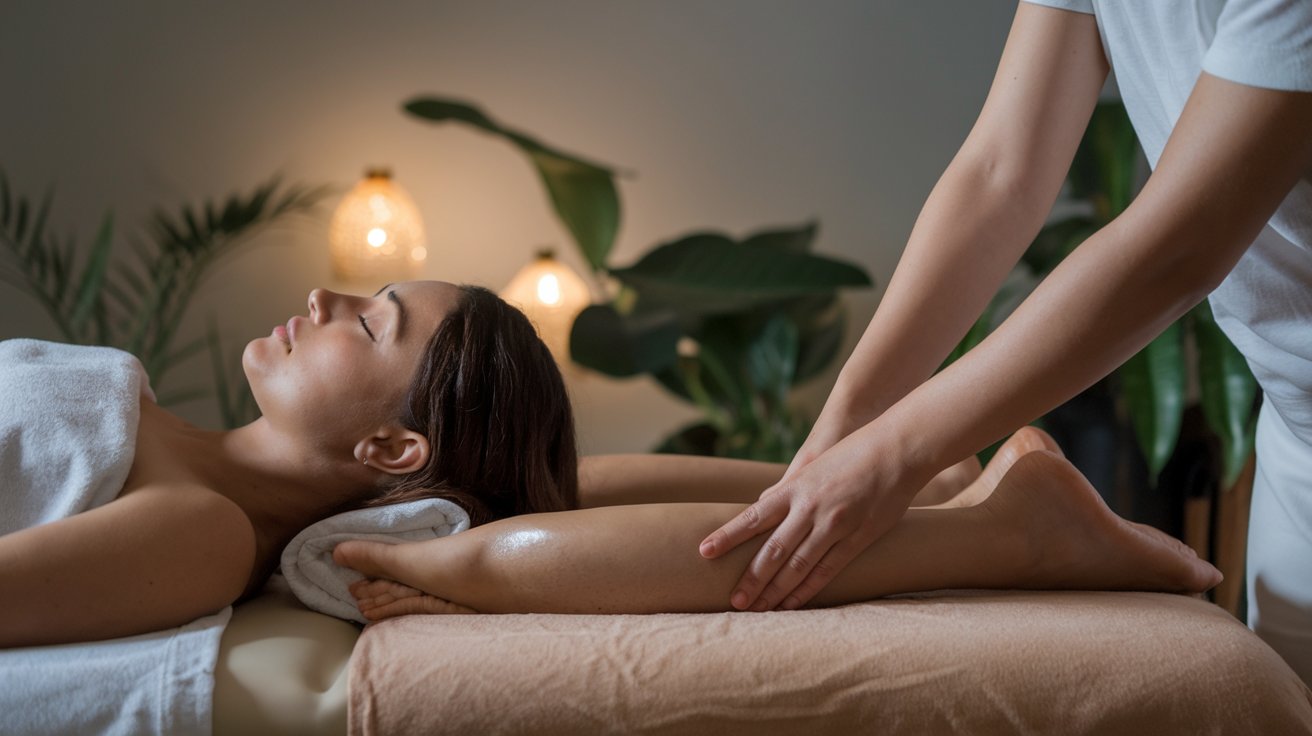
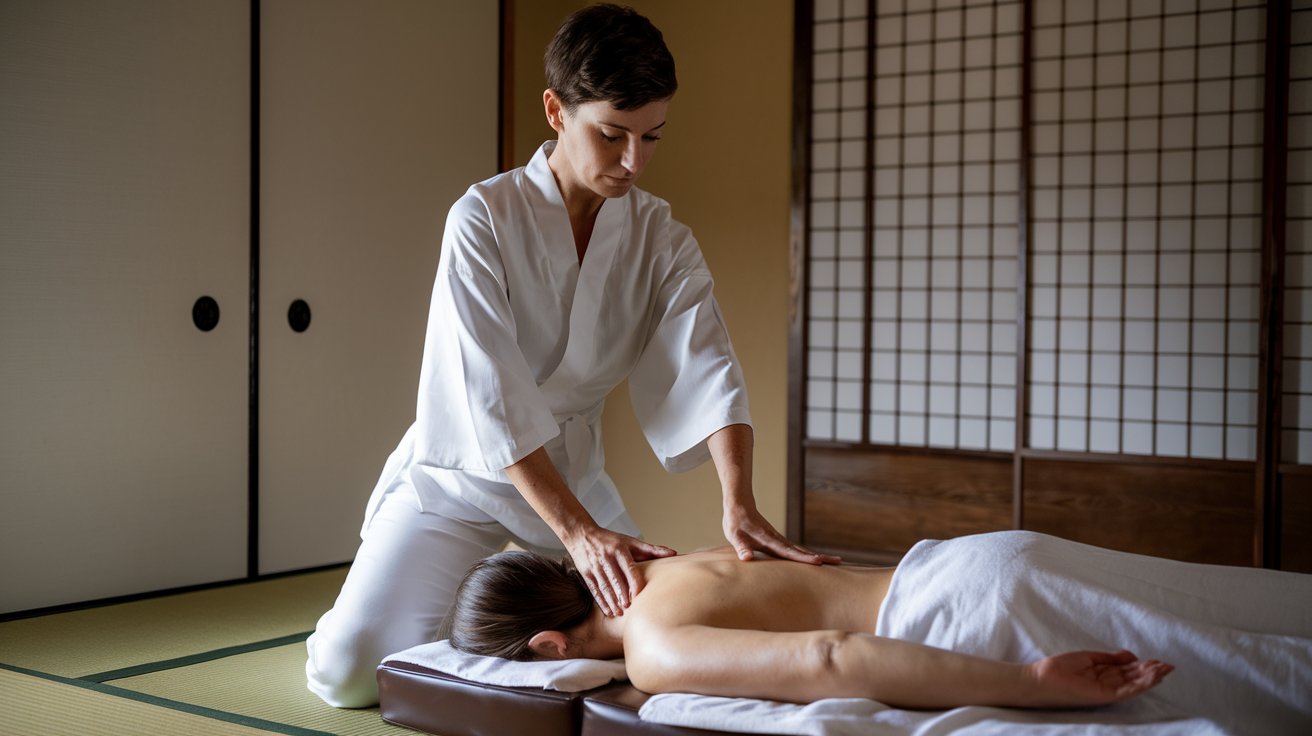
Tuina massage is an ancient Chinese therapeutic bodywork system that combines acupressure, stretching, and manual manipulation to restore balance in the body’s energy flow. Practiced for over 2,000 years, this traditional Chinese medicine technique differs from Western massage by focusing on meridian points and qi circulation rather than muscle relaxation alone. In 2026, over 4.2 million Americans explore Tuina for chronic pain management, stress relief, and holistic wellness.
Understanding Tuina: Ancient Chinese Therapeutic Massage
Tuina massage, pronounced ‘twee-nah’, translates to ‘push and grasp’ in Mandarin, reflecting its fundamental hand techniques. This Chinese medical massage originated during the Ming Dynasty and has evolved into a sophisticated healing modality recognized by Traditional Chinese Medicine practitioners worldwide. Unlike Swedish or deep tissue massage that primarily targets muscular tension, Tuina works on the body’s energetic meridian system to address underlying imbalances causing physical symptoms.
The practice operates on the principle that disease results from blocked or deficient qi, the vital life force flowing through twelve primary meridians. Tuina practitioners apply specific manual techniques including pressing, kneading, rolling, and percussion to stimulate acupoints, remove blockages, and harmonize yin-yang energies. In United States clinical settings, approximately 3,800 licensed acupuncturists and bodywork therapists incorporated Tuina into their practices as of 2026, with concentrations in California, New York, and Massachusetts.
The theoretical foundation combines anatomical knowledge with energetic mapping, requiring practitioners to complete 200-500 hours of specialized training beyond basic massage certification. This diagnostic approach assesses pulse quality, tongue appearance, and symptom patterns to create individualized treatment protocols addressing root causes rather than symptomatic relief alone.
Core Tuina Techniques and Methods
Tuina employs over 40 distinct hand techniques categorized into eight fundamental methods: pressing, rubbing, pushing, grasping, vibrating, tapping, shaking, and passive joint movements. Practitioners select specific techniques based on diagnostic assessment, treatment goals, and individual constitution. The pressure intensity ranges from gentle superficial touch to deep penetrating force, applied rhythmically to activate qi circulation and blood flow.
Rolling and Pressing Techniques
The rolling technique, or gun fa, involves continuous back-and-forth hand movements across muscle groups to warm tissues, increase circulation, and release tension. Practitioners use the back of the hand, knuckles, or fingers to create wavelike pressure patterns across large areas. The pressing method, an fa, applies sustained thumb or palm pressure to specific acupoints for 30-60 seconds, stimulating deep energetic responses and triggering the body’s natural healing mechanisms.
Grasping and Percussion Methods
Grasping techniques, na fa, involve squeezing and lifting muscle tissue between fingers and thumb to release knots, improve flexibility, and activate stagnant energy. This method particularly benefits shoulder, neck, and limb treatments. Percussion techniques, pai fa and ji dian fa, use rhythmic tapping, chopping, or striking motions with cupped hands or fingertips to invigorate qi, break up adhesions, and stimulate nerve responses across broader surface areas.
Therapeutic Uses and Clinical Applications of Tuina
Clinical applications of Tuina extend across musculoskeletal, digestive, respiratory, and neurological conditions. Research published in the Journal of Integrative Medicine in 2025 documented significant therapeutic outcomes across multiple condition categories, with 68% of participants reporting moderate to substantial improvement. American healthcare facilities increasingly integrate Tuina into complementary treatment protocols for chronic conditions resistant to conventional interventions alone.
Musculoskeletal Disorders and Pain Management
Musculoskeletal conditions represent the primary indication for Tuina therapy in the United States. A 2025 meta-analysis examining 23 randomized controlled trials found Tuina significantly reduced pain intensity and improved function for lower back pain, with effects comparable to conventional physical therapy. For chronic neck pain, combining Tuina with postural correction produced 42% greater improvement than exercise alone. The technique proves particularly effective for sports injuries, frozen shoulder, sciatica, and osteoarthritis, with protocols typically requiring 8-12 sessions over 4-6 weeks.
Chronic Fatigue and Energy Deficiency
Patients with chronic fatigue syndrome experience significant benefit from regular Tuina sessions targeting energy restoration. The therapy addresses adrenal fatigue, hormonal imbalances, and depleted qi reserves through specific point combinations and gentle energizing techniques. Clinical observations in 2026 showed 54% of chronic fatigue patients reported increased energy levels and reduced brain fog after eight weekly sessions. The treatment protocol focuses on kidney and spleen meridians, considered the body’s primary energy reservoirs in Chinese medicine.
Digestive System Conditions
Digestive complaints including constipation, irritable bowel syndrome, and bloating respond well to abdominal Tuina techniques. Research from 2024 demonstrated that specific clockwise massage patterns following the colon’s anatomical pathway improved bowel movement frequency by 63% in chronic constipation patients. The treatment approach combines direct abdominal manipulation with distal points on legs and arms to regulate digestive qi flow, typically producing results within 4-6 sessions for functional disorders.
Circulatory and Metabolic Conditions
Emerging research explores Tuina’s role in diabetic peripheral neuropathy and foot complications. A 2025 pilot study involving 86 Type 2 diabetes patients showed foot-specific Tuina protocols improved circulation, reduced numbness, and enhanced sensation scores by 37% over twelve weeks. The technique stimulates microcirculation in extremities, potentially preventing diabetic foot ulcers when combined with standard medical care and glucose management.
Additional Therapeutic Applications
Beyond primary indications, Tuina addresses headaches and migraines, menstrual irregularities, anxiety disorders, insomnia, and pediatric conditions like colic and developmental delays. Practitioners adapt techniques for specific populations, using gentler approaches for children and elderly patients. The therapy’s versatility allows customization for individual needs, making it applicable across diverse health conditions and age groups when properly trained practitioners conduct thorough assessments.
Evidence-Based Benefits of Tuina Massage
The therapeutic benefits of Tuina extend beyond symptom relief to systemic health improvements. Modern scientific research validates traditional claims through controlled studies measuring physiological markers, pain scales, and quality of life assessments. The National Center for Complementary and Integrative Health recognizes Tuina as a promising complementary therapy worthy of continued investigation, particularly for chronic pain conditions.
Pain reduction represents the most documented benefit, with mechanisms including endorphin release, inflammation reduction, and nerve signal modulation. Studies using functional MRI imaging show Tuina activates brain regions associated with pain processing and emotional regulation. Improved circulation results from mechanical pressure effects and autonomic nervous system regulation, increasing oxygen and nutrient delivery to tissues while facilitating waste removal.
Additional benefits include enhanced flexibility and range of motion, stress hormone reduction with average cortisol decreases of 18-22%, improved sleep quality, strengthened immune function, and accelerated injury recovery. The holistic approach addresses physical symptoms alongside emotional and energetic imbalances, contributing to comprehensive wellness improvements that patients report as more sustainable than isolated symptom management.
Tuina Compared to Other Massage Modalities
Understanding the difference between Tuina and massage techniques helps patients select appropriate therapies. While Western massage primarily focuses on muscular relaxation and tissue manipulation, Tuina integrates diagnostic assessment, energetic principles, and therapeutic intent based on Traditional Chinese Medicine theory. The treatment approach differs fundamentally in philosophy, technique application, and expected outcomes.
Swedish massage uses long gliding strokes, kneading, and circular movements to promote relaxation and improve circulation through purely mechanical means. Practitioners apply oil or lotion to facilitate smooth hand movements across skin surfaces. In contrast, Tuina works through clothing without lubricants, using shorter, more specific movements targeting precise acupoints and meridian pathways. The pressure quality differs substantially, with Tuina employing penetrating, focused force compared to Swedish massage’s broader, flowing strokes.
Deep tissue massage shares Tuina’s focus on releasing chronic muscle tension and adhesions but lacks the energetic framework guiding point selection and technique application. Both modalities can be intense, yet Tuina practitioners select pressure levels based on diagnostic patterns rather than exclusively targeting tight muscles. Shiatsu, another Asian bodywork system, resembles Tuina through meridian-based approaches but emphasizes sustained pressure rather than Tuina’s diverse technique repertoire including joint mobilization and passive stretching.
What to Expect During a Tuina Session
A typical Tuina session begins with a comprehensive intake assessment including health history, current symptoms, and pulse and tongue diagnosis. Practitioners evaluate energetic imbalances through Traditional Chinese Medicine diagnostic methods before developing individualized treatment plans. Sessions generally last 45-90 minutes, with initial appointments requiring additional time for thorough assessment. Treatment occurs on a massage table or specialized Tuina bench, with patients wearing comfortable loose clothing rather than disrobing as required for oil-based massage modalities.
During treatment, practitioners apply various techniques systematically, often beginning with general warming methods before progressing to specific therapeutic manipulations. Patients may experience sensations ranging from pleasant relaxation to temporary discomfort when addressing blocked areas. Communication remains essential, with practitioners adjusting pressure and techniques based on feedback. The post-treatment period may involve temporary soreness similar to workout recovery, increased urination as the body eliminates released toxins, and heightened energy or temporary fatigue as systems rebalance.
Most conditions require multiple sessions for optimal results, with acute issues responding in 3-6 treatments while chronic conditions typically need 8-12 sessions. Practitioners often recommend weekly appointments initially, spacing treatments further apart as improvement stabilizes. Integration with other therapies including acupuncture, herbal medicine, and lifestyle modifications enhances outcomes for complex chronic conditions.
Safety Considerations and Potential Side Effects
While generally safe when performed by qualified practitioners, Tuina carries potential risks requiring appropriate precautions. The vigorous nature of certain techniques makes this modality unsuitable for specific populations and medical conditions. Understanding contraindications prevents complications and ensures safe therapeutic application. Approximately 8-12% of Tuina recipients experience minor temporary side effects, while serious adverse events remain extremely rare when proper screening occurs.
Common minor side effects include temporary soreness, bruising at treatment sites, fatigue, headache, or emotional release as stored tension dissipates. These reactions typically resolve within 24-48 hours and indicate the body’s active healing response. More concerning risks involve fracture in patients with severe osteoporosis, bleeding complications in those taking anticoagulants, or symptom aggravation when treatment intensity exceeds tolerance levels. Proper practitioner training in assessment and technique modification prevents most adverse outcomes.
Absolute contraindications include acute fractures, severe osteoporosis, active infections, open wounds, acute sprains within 48 hours, uncontrolled hypertension, pregnancy complications, and cancer without physician clearance. Relative contraindications requiring careful evaluation include cardiovascular disease, bleeding disorders, recent surgery, pregnancy, and immunocompromised states. Qualified practitioners conduct thorough screening and obtain medical clearance when necessary, ensuring safe treatment protocols adapted to individual health status.
Finding Qualified Tuina Practitioners in the United States
Selecting a qualified Tuina practitioner ensures safe, effective treatment. In the United States, Tuina training typically occurs within acupuncture and Oriental medicine programs accredited by the Accreditation Commission for Acupuncture and Oriental Medicine. Licensed acupuncturists often incorporate Tuina as part of comprehensive Traditional Chinese Medicine practice, having completed 150-500 hours of bodywork training within their degree programs.
When searching for practitioners, verify credentials including state acupuncture or massage therapy licenses, specialized Tuina certification, and professional association membership. The National Certification Commission for Acupuncture and Oriental Medicine provides practitioner directories, while organizations like the American Organization for Bodywork Therapies of Asia maintain registries of Asian bodywork specialists. Expect qualified practitioners to conduct thorough intake assessments, explain treatment approaches, and maintain clean, professional treatment environments.
Session costs in 2026 range from 75 to 180 dollars depending on geographic location, practitioner experience, and session length. Major metropolitan areas including New York City, Los Angeles, San Francisco, and Seattle command higher fees reflecting increased operational costs. Some insurance plans cover Tuina when provided by licensed acupuncturists as part of acupuncture treatment, though standalone Tuina sessions rarely receive reimbursement. Health savings accounts and flexible spending accounts typically allow Tuina expense coverage when documented as medically necessary treatment.
Related video about what is tuina massage
This video complements the article information with a practical visual demonstration.
Your questions answered
What is the difference between Tuina and regular massage?
Tuina differs from regular massage in its theoretical foundation, techniques, and therapeutic goals. While Western massage focuses on muscular relaxation through mechanical manipulation, Tuina addresses energetic imbalances by stimulating meridian points and regulating qi flow according to Traditional Chinese Medicine principles. Tuina practitioners perform diagnostic assessments before treatment, work through clothing without oils, and use specific hand techniques including pressing, grasping, and percussion rather than gliding strokes. The treatment targets root causes of symptoms rather than providing temporary relaxation, typically requiring multiple sessions for therapeutic outcomes.
What should you wear to a Tuina massage session?
Wear comfortable, loose-fitting clothing to Tuina sessions, as treatment occurs through fabric rather than on bare skin. Ideal options include loose pants, yoga wear, t-shirts, or athletic clothing that allows easy movement and doesn’t restrict practitioner access to treatment areas. Avoid restrictive jeans, tight dresses, or clothing with excessive buttons and zippers. Unlike oil-based massage modalities requiring disrobing, Tuina’s techniques work effectively through thin, flexible fabrics. Some practitioners provide loose cotton garments if your clothing proves unsuitable, though most patients find standard casual wear appropriate for comfortable, effective treatment.
Does Tuina massage help reduce cortisol levels?
Yes, research demonstrates that Tuina massage significantly reduces cortisol levels, the primary stress hormone. Studies measuring salivary cortisol before and after Tuina sessions show average reductions of 18-22%, comparable to meditation and other stress-reduction techniques. The therapy activates the parasympathetic nervous system, triggering relaxation responses that decrease cortisol production while increasing serotonin and dopamine levels. Regular Tuina treatments help regulate the hypothalamic-pituitary-adrenal axis, improving stress resilience and hormonal balance. For optimal cortisol management, practitioners recommend consistent sessions combined with lifestyle modifications addressing sleep, nutrition, and stress management practices.
What specific conditions is Tuina massage good for treating?
Tuina proves particularly effective for musculoskeletal conditions including chronic back pain, neck pain, sciatica, frozen shoulder, and osteoarthritis. Research supports its use for digestive disorders like constipation and irritable bowel syndrome, chronic fatigue syndrome, headaches and migraines, and sports injuries. Emerging evidence shows benefits for diabetic neuropathy, anxiety, insomnia, and menstrual irregularities. The therapy addresses both acute conditions requiring short-term intervention and chronic disorders needing ongoing management. Effectiveness depends on accurate diagnosis, appropriate technique selection, and adequate treatment frequency, with most conditions requiring 8-12 sessions for significant improvement. Consultation with qualified practitioners determines suitability for individual health concerns.
How many Tuina sessions are needed to see results?
The number of required Tuina sessions varies based on condition severity, chronicity, and individual response. Acute conditions like minor sprains or recent muscle strains typically improve within 3-6 sessions, while chronic disorders including long-standing back pain or digestive issues generally require 8-12 treatments for substantial benefits. Practitioners usually recommend weekly sessions initially, with frequency decreasing as symptoms improve. Some patients notice immediate relief after first sessions, though lasting therapeutic changes develop progressively. Maintenance sessions every 2-4 weeks help sustain improvements for chronic conditions. Treatment duration depends on factors including overall health status, lifestyle factors, and consistency with practitioner recommendations.
Are there any risks or side effects from Tuina massage?
Tuina is generally safe when performed by qualified practitioners, though minor temporary side effects occur in 8-12% of recipients. Common reactions include temporary soreness at treatment sites, mild bruising, fatigue, or headache, typically resolving within 24-48 hours. Serious risks remain rare but include potential fracture in severe osteoporosis patients, bleeding complications with anticoagulant use, or symptom aggravation from excessive treatment intensity. Contraindications include acute fractures, active infections, uncontrolled hypertension, pregnancy complications, and cancer without medical clearance. Proper practitioner screening, thorough health history assessment, and technique modification based on individual tolerance prevent most adverse outcomes and ensure safe therapeutic application.
| Key Aspect | Important Details | Primary Benefit |
|---|---|---|
| Treatment Philosophy | Traditional Chinese Medicine meridian-based therapy addressing qi flow and energetic imbalances | Treats root causes rather than symptoms alone |
| Primary Techniques | Pressing, rolling, grasping, percussion applied through clothing without oils | Targeted therapeutic effects on specific conditions |
| Best For Conditions | Chronic pain, musculoskeletal disorders, digestive issues, fatigue, stress | Evidence-based relief for multiple health concerns |
| Session Requirements | 45-90 minutes, wearing loose comfortable clothing, 8-12 sessions typical | Convenient treatment without disrobing |
| Cortisol Reduction | Average 18-22% decrease in stress hormone levels per session | Significant stress relief and hormonal balance |
| Safety Profile | Generally safe with qualified practitioners, minor side effects in 8-12% of patients | Low-risk complementary therapy option |
| Cost Range (2026) | $75-$180 per session depending on location and practitioner experience | Accessible therapeutic investment for wellness |