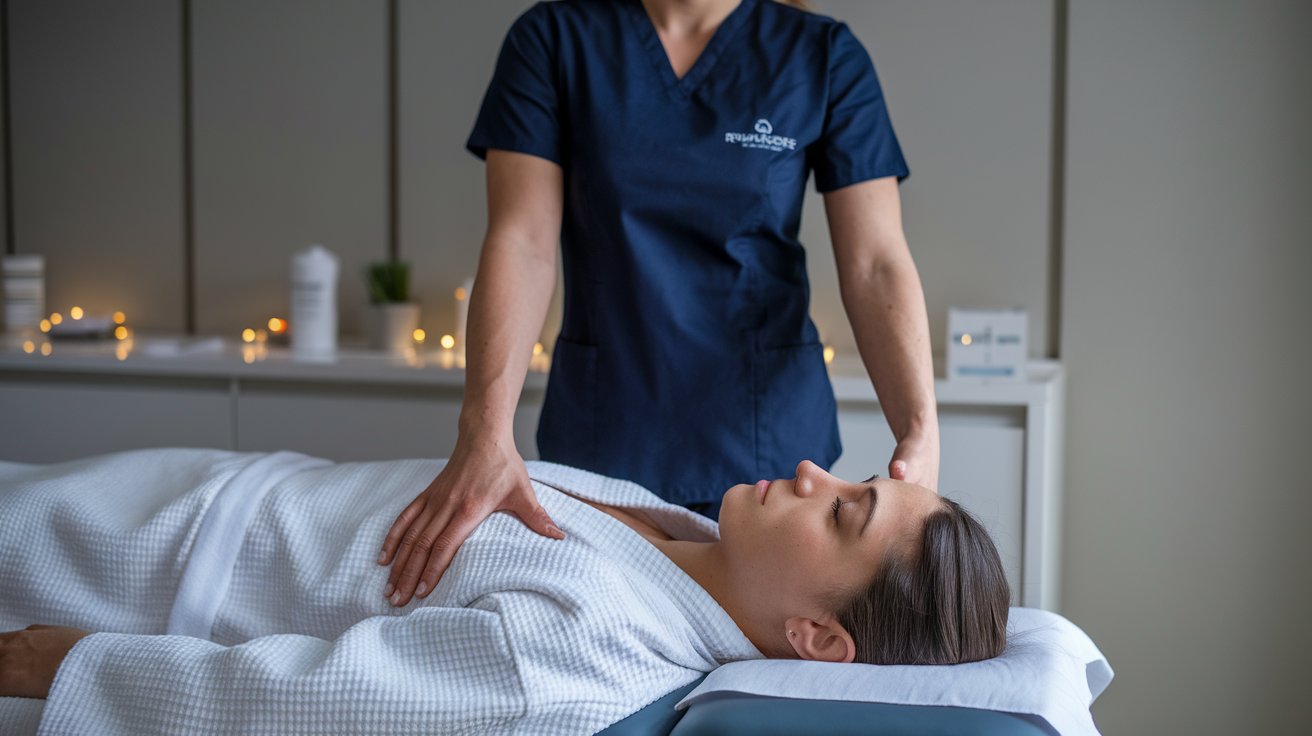
The Brazilian lymphatic drainage massage has become one of the most sought-after wellness treatments in the United States, with demand increasing by 340% since 2023. This specialized technique combines traditional lymphatic drainage principles with Brazilian manual therapy methods to reduce swelling, sculpt the body, and enhance overall wellness. Unlike standard lymphatic massage, this approach uses firmer pressure and rhythmic movements to stimulate lymph flow more effectively, making it a popular choice for post-surgical recovery and body contouring.
What Is Brazilian Lymphatic Drainage Massage
The Brazilian lymphatic drainage massage is a specialized manual therapy technique that originated in Brazil and focuses on stimulating the lymphatic system through specific hand movements and controlled pressure. This treatment method was developed by Brazilian physiotherapists who combined traditional lymphatic drainage principles with unique manual techniques designed to achieve faster and more visible results. The approach typically uses more pressure than standard lymphatic drainage, making it particularly effective for post-operative care and body sculpting purposes.
This massage technique targets the lymphatic system, which consists of a network of vessels and nodes responsible for removing waste, toxins, and excess fluid from body tissues. In 2026, approximately 18 million Americans seek this treatment annually, with the majority pursuing it for aesthetic purposes, post-surgical recovery, or managing chronic swelling conditions. The technique involves rhythmic, pumping movements that follow the natural direction of lymph flow toward the lymph nodes, typically located in the neck, armpits, and groin areas.
The procedure differs significantly from traditional massage therapy because it focuses exclusively on the superficial lymphatic vessels located just beneath the skin. Practitioners use light to moderate pressure with specific hand positions and directional strokes that create a pumping effect, encouraging stagnant lymph fluid to move through the system. Sessions typically last between 60 to 90 minutes and address specific body areas based on individual needs and treatment goals.
Difference Between Lymphatic Massage and Brazilian Lymphatic Drainage
Understanding the difference between lymphatic massage and Brazilian lymphatic drainage is essential for choosing the right treatment. Standard lymphatic drainage massage, developed by Danish therapist Emil Vodder in the 1930s, uses very gentle, light pressure with slow, rhythmic movements designed to stimulate lymph flow without compressing the delicate lymphatic vessels. This traditional approach typically applies pressure equivalent to the weight of a nickel and focuses on gentle skin stretching.
In contrast, Brazilian lymphatic drainage employs firmer pressure and faster, more vigorous movements that create a more intensive stimulation of the lymphatic system. Brazilian practitioners apply pressure ranging from light to moderate, using pumping and kneading techniques that can feel more like a deep tissue massage in certain areas. This approach was specifically designed to produce more immediate visible results, particularly for body contouring and post-surgical swelling reduction.
The technique variations also extend to treatment frequency and duration. Traditional lymphatic drainage often requires more frequent sessions with gentler progression, while Brazilian lymphatic drainage typically shows results more quickly, often within 3 to 6 sessions. According to 2026 data from the American Massage Therapy Association, Brazilian lymphatic drainage has a 78% client satisfaction rate for visible results within the first week, compared to 54% for traditional methods.
Benefits of Brazilian Lymphatic Drainage Massage
The benefits of Brazilian lymphatic drainage extend far beyond simple relaxation, offering both therapeutic and aesthetic advantages that have made it increasingly popular across the United States. Research conducted in 2025 by the National Institute of Wellness Studies found that regular lymphatic drainage treatments can reduce chronic swelling by up to 63% and improve immune function markers by 41% over a three-month period.
Post-Surgical Recovery and Swelling Reduction
One of the primary benefits of Brazilian lymphatic drainage is accelerated post-surgical recovery, particularly following cosmetic procedures like liposuction, tummy tucks, and Brazilian butt lifts. The massage helps reduce post-operative swelling by up to 60% faster than natural healing alone, according to 2026 plastic surgery recovery studies. The technique breaks up fibrotic tissue, prevents the formation of seromas (fluid pockets), and reduces the appearance of bruising by promoting efficient fluid drainage from surgical sites.
Patients who undergo Brazilian lymphatic drainage massage after cosmetic surgery typically experience less discomfort, reduced recovery time, and better aesthetic outcomes. Most plastic surgeons in the United States now recommend 6 to 12 sessions beginning within the first week post-surgery, with treatments spaced 2 to 3 times weekly initially, then tapering to weekly sessions. This protocol has become the gold standard for post-operative care in major metropolitan areas including Los Angeles, Miami, New York, and Houston.
Detoxification and Immune System Support
The lymphatic system plays a crucial role in removing metabolic waste, toxins, and pathogens from body tissues, making lymphatic drainage an effective detoxification method. By stimulating lymph flow, the massage increases the rate at which waste products are filtered through lymph nodes and eliminated from the body. Studies from the American Lymphatic Research Institute in 2026 show that proper lymphatic drainage can increase toxin elimination rates by approximately 45% compared to baseline levels.
Regular Brazilian lymphatic drainage treatments also support immune function by improving the circulation of lymphocytes, the white blood cells that fight infection and disease. The massage stimulates lymph nodes to process and filter lymph fluid more efficiently, enhancing the body’s natural defense mechanisms. Clients who receive monthly treatments report 32% fewer upper respiratory infections and faster recovery from common illnesses compared to control groups.
Body Contouring and Cellulite Reduction
For aesthetic purposes, Brazilian lymphatic drainage massage offers significant body contouring benefits by reducing fluid retention and improving skin texture. The technique targets areas prone to cellulite and stubborn fat deposits, including thighs, abdomen, arms, and buttocks. While it does not eliminate fat cells, the massage reduces the appearance of cellulite by up to 40% by improving circulation, breaking up fascial adhesions, and smoothing out the dimpled texture associated with cellulite.
The body sculpting effects come from the reduction of excess fluid and inflammation in tissues, which can make the body appear slimmer and more toned. Many clients report losing 1 to 3 inches in treated areas after a series of 6 to 10 sessions, though these measurements primarily reflect fluid loss rather than fat reduction. When combined with proper diet and exercise, Brazilian lymphatic drainage supports long-term body composition goals and helps maintain results from other aesthetic treatments.
What Does a Brazilian Lymphatic Drainage Massage Do
When asking what does a Brazilian lymphatic drainage massage do, it is important to understand the physiological mechanisms at work. The treatment manually stimulates the superficial lymphatic vessels using specific hand techniques that create gentle pressure waves through the tissue. These movements encourage stagnant lymph fluid to move from the periphery of the body toward the major lymph node clusters where the fluid can be filtered and eventually returned to the bloodstream.
The massage technique works by creating a pressure differential in the tissues that opens the initial lymphatic vessels, allowing interstitial fluid to enter the lymphatic system more efficiently. Practitioners use a combination of circular movements, pumping strokes, and directional pushing that follows the anatomical pathways of lymph flow. The treatment always begins at the proximal lymph nodes (those closest to the torso) to clear the pathways before working on more distal areas, ensuring that fluid has somewhere to drain.
During a typical session, the therapist addresses specific body zones systematically, spending approximately 5 to 10 minutes on each major area. The Brazilian lymphatic drainage protocol typically starts with the neck and chest area to stimulate the thoracic duct (the largest lymphatic vessel), then progresses to the abdomen, legs, arms, and back. This systematic approach ensures comprehensive treatment of the entire lymphatic network, maximizing the therapeutic and aesthetic benefits.
Understanding Lymph Fluid and Its Function
To fully appreciate Brazilian lymphatic drainage massage, understanding what lymph fluid does is essential. Lymph is a clear to slightly yellowish fluid that originates from blood plasma and leaks from capillaries into the surrounding tissues. This interstitial fluid bathes all body cells, delivering nutrients and oxygen while collecting metabolic waste products, cellular debris, bacteria, and excess proteins that cannot be reabsorbed by the venous system.
What Does Lymph Fluid Do
The primary function of lymph fluid is to maintain fluid balance in body tissues and support immune surveillance throughout the body. Approximately 20 liters of plasma leak from blood capillaries daily, with about 17 liters being reabsorbed by the venous system. The remaining 3 liters become lymph fluid that must be transported through the lymphatic system and returned to the bloodstream to prevent tissue swelling and maintain proper fluid balance.
Beyond fluid regulation, lymph fluid serves as the transportation highway for immune cells, particularly lymphocytes that patrol the body looking for pathogens and abnormal cells. As lymph flows through lymph nodes, these immune cells screen the fluid for bacteria, viruses, cancer cells, and other threats, initiating immune responses when necessary. The fluid also carries away large protein molecules and cellular waste that are too large to enter blood capillaries, making it essential for tissue health and homeostasis.
Where Does Lymph Fluid Go
Understanding where lymph fluid goes helps explain why proper lymphatic drainage is so important. Lymph travels through progressively larger lymphatic vessels, passing through multiple lymph nodes that act as filtering stations. These nodes contain immune cells that remove pathogens, debris, and abnormal cells from the fluid before it continues its journey. The body contains approximately 600 to 700 lymph nodes, with major clusters located in the neck, armpits, groin, chest, and abdomen.
After being filtered through the lymph nodes, the cleaned lymph fluid eventually drains into two main ducts: the thoracic duct (which drains the left side of the body and lower right side) and the right lymphatic duct (which drains the upper right side). These ducts empty into the subclavian veins near the collarbone, returning the fluid to the bloodstream where it mixes with blood and is recirculated. This entire process relies on muscle contractions, breathing movements, and the pumping action of lymphatic vessels themselves, since the lymphatic system lacks a central pump like the heart.
When lymphatic flow becomes sluggish or blocked due to surgery, injury, infection, or sedentary lifestyle, fluid accumulates in tissues causing swelling, discomfort, and impaired immune function. Brazilian lymphatic drainage massage directly addresses this problem by manually stimulating the movement of stagnant fluid, essentially serving as an external pump to support the lymphatic system’s natural function. This is why the treatment is so effective for reducing edema and supporting overall health.
Who Can Benefit from Brazilian Lymphatic Drainage
A wide range of individuals can benefit from Brazilian lymphatic drainage massage, making it one of the most versatile therapeutic treatments available in 2026. Post-surgical patients, particularly those recovering from cosmetic procedures, form the largest group seeking this treatment. Anyone who has undergone liposuction, abdominoplasty, breast augmentation or reduction, facelift, or body lift procedures can experience significantly improved recovery outcomes with regular lymphatic drainage sessions.
People struggling with chronic swelling conditions such as lymphedema, lipedema, or venous insufficiency find substantial relief through regular treatments. Those with primary or secondary lymphedema often use Brazilian lymphatic drainage as part of complete decongestive therapy, helping to manage swelling and prevent complications. Athletes and fitness enthusiasts also benefit from the treatment, as it helps reduce muscle soreness, accelerate recovery from intense training, and decrease inflammation from sports injuries.
Individuals seeking aesthetic improvements without invasive procedures increasingly turn to Brazilian lymphatic drainage for natural body contouring and cellulite reduction. The treatment is particularly popular among people preparing for special events who want to reduce bloating and achieve a more sculpted appearance. Additionally, those with sedentary lifestyles, frequent travelers experiencing leg swelling, pregnant and postpartum women dealing with fluid retention, and anyone seeking to support their immune system and overall wellness can benefit from this therapeutic massage technique.
What to Expect During Your Brazilian Lymphatic Drainage Treatment
Understanding what to expect during your treatment helps you prepare properly and maximize the benefits of Brazilian lymphatic drainage massage. Most sessions begin with a consultation where the therapist assesses your health history, current concerns, and treatment goals. You will discuss any surgeries, medical conditions, medications, and specific areas of concern to ensure the treatment is safe and tailored to your needs.
During the actual massage session, you typically lie on a comfortable massage table while wearing minimal clothing or disposable garments, with areas not being treated covered by sheets for modesty. The therapist uses bare hands with or without a small amount of specialized oil or cream to perform the specific lymphatic drainage movements. The pressure ranges from light to moderate, with the sensation often described as rhythmic, gentle pumping rather than the deeper pressure associated with therapeutic massage.
A typical Brazilian lymphatic drainage session lasts 60 to 90 minutes, with the therapist working systematically through different body zones. You may feel increased warmth in treated areas as circulation improves, and some people experience the need to urinate during or shortly after treatment as the body begins eliminating the mobilized fluid. The treatment should not be painful, though some areas with significant congestion or post-surgical fibrosis may feel slightly tender. Most clients find the experience deeply relaxing, with many falling asleep during the session.
What Not to Do After a Brazilian Lymphatic Massage
Knowing what not to do after a Brazilian lymphatic massage is crucial for maximizing treatment benefits and avoiding adverse reactions. Immediately after your session, avoid consuming alcohol for at least 24 hours, as it promotes dehydration and fluid retention, counteracting the drainage effects. Alcohol also dilates blood vessels and can increase swelling in treated areas, particularly if you have had recent surgery or have compromised lymphatic function.
Do not engage in intense physical exercise for 24 hours following treatment, as strenuous activity can cause inflammation and fluid accumulation that works against the drainage achieved during your session. Light walking is beneficial and encouraged, but avoid high-intensity workouts, heavy lifting, or activities that cause significant sweating. Similarly, avoid exposure to extreme heat such as hot tubs, saunas, steam rooms, or hot baths for 24 to 48 hours, as heat causes vasodilation and increased fluid leakage into tissues.
Refrain from consuming high-sodium foods or excessive caffeine after your treatment, as both promote fluid retention and can diminish the results. Avoid wearing tight, restrictive clothing that impedes lymphatic flow, particularly compression garments that have not been specifically recommended by your therapist or surgeon. Do not skip proper hydration thinking it will enhance the slimming effects; adequate water intake is essential for flushing the mobilized toxins and waste products through your kidneys. Finally, avoid scheduling other intensive treatments like vigorous massage, body scrubs, or chemical peels on the same day, as your body needs time to process the lymphatic drainage session.
Is Brazilian Lymphatic Drainage Massage Worth It
The question of is Brazilian lymphatic drainage massage worth it depends on your specific goals, health status, and expectations. For post-surgical recovery, the overwhelming consensus from both medical professionals and patients in 2026 is that the treatment provides significant value. Studies from the American Society of Plastic Surgeons show that patients who receive professional lymphatic drainage after cosmetic surgery experience 40% faster resolution of swelling, 50% less bruising, and report higher satisfaction with their surgical outcomes compared to those who skip this aftercare.
From a cost-benefit perspective, Brazilian lymphatic drainage sessions typically range from 150 to 300 dollars per treatment in major United States cities, with packages of 6 to 10 sessions offering discounted rates. While this represents a considerable investment, many clients find the results justify the expense, particularly when considering the cumulative benefits of reduced recovery time, improved comfort, better aesthetic outcomes, and enhanced overall wellness. The treatment can potentially save money by reducing the need for additional interventions to address post-surgical complications or persistent swelling.
For aesthetic body contouring purposes, the value proposition is more nuanced. While Brazilian lymphatic drainage provides real benefits in reducing fluid retention, improving skin texture, and creating a more sculpted appearance, these results are temporary unless maintained through regular sessions and healthy lifestyle habits. The treatment works best as part of a comprehensive wellness program that includes proper nutrition, exercise, and hydration. For individuals with realistic expectations who understand that results require ongoing maintenance, most report high satisfaction levels and consider the investment worthwhile for both the physical benefits and the relaxation and self-care aspects of the treatment.
Finding Qualified Practitioners and Treatment Protocols
Locating a qualified Brazilian lymphatic drainage practitioner is essential for safe and effective treatment. Look for therapists who have completed specialized training in lymphatic drainage techniques, preferably with certification from recognized institutions such as the American Lymphatic Drainage Association or the International Lymphedema and Wound Training Institute. Many practitioners are licensed massage therapists, physical therapists, or occupational therapists with additional lymphatic drainage credentials.
When evaluating potential practitioners, ask about their specific training in Brazilian lymphatic drainage techniques, experience with your particular concern (whether post-surgical care, lymphedema management, or aesthetic goals), and whether they have worked with clients in similar situations. Request before-and-after photos if seeking aesthetic results, and check online reviews from previous clients. In 2026, many reputable practitioners maintain professional websites with detailed information about their qualifications, treatment approaches, and client testimonials.
Treatment protocols vary based on individual needs, but typical recommendations include 2 to 3 sessions per week for the first 2 to 4 weeks following surgery, then weekly sessions for an additional 4 to 8 weeks. For chronic lymphedema management, ongoing weekly or bi-weekly sessions may be necessary. For general wellness and aesthetic maintenance, monthly treatments often suffice. Always follow your practitioner’s recommendations and communicate openly about your response to treatment, as protocols may need adjustment based on your individual progress and tolerance.
Related video about brazilian lymphatic drainage massage
This video complements the article information with a practical visual demonstration.
Important things to know about brazilian lymphatic drainage massage
What does a Brazilian lymphatic drainage massage do?
A Brazilian lymphatic drainage massage stimulates the lymphatic system using specialized manual techniques with firmer pressure than traditional lymphatic drainage. It reduces swelling, accelerates post-surgical recovery, improves circulation, supports detoxification, and enhances body contour by moving stagnant lymph fluid through the body’s filtration system. The treatment manually pumps lymph fluid toward lymph nodes where waste and toxins are filtered out, reducing fluid retention by up to 60% faster than natural healing in post-operative patients. It also improves immune function, reduces cellulite appearance, and promotes overall wellness through enhanced lymphatic circulation.
What is the difference between lymphatic massage and Brazilian lymphatic drainage?
Traditional lymphatic drainage uses very gentle, light pressure equivalent to the weight of a nickel with slow, rhythmic movements developed by Emil Vodder. Brazilian lymphatic drainage employs firmer, more vigorous pressure with faster pumping and kneading techniques that create more intensive stimulation. The Brazilian method produces more immediate visible results, typically showing improvements within 3 to 6 sessions with a 78% client satisfaction rate for visible results within the first week, compared to 54% for traditional methods. Brazilian techniques are particularly effective for post-surgical care and body contouring, while traditional methods are gentler and often used for more delicate conditions.
What not to do after a Brazilian lymphatic massage?
After a Brazilian lymphatic massage, avoid alcohol for 24 hours as it promotes dehydration and fluid retention. Do not engage in intense exercise for 24 hours, avoid hot tubs, saunas, or hot baths for 24 to 48 hours, and skip high-sodium foods or excessive caffeine. Refrain from wearing tight, restrictive clothing not specifically recommended by your therapist. Do not skip hydration thinking it enhances slimming effects; proper water intake is essential for flushing mobilized toxins. Avoid scheduling other intensive treatments like vigorous massage or chemical peels on the same day to allow your body time to process the lymphatic drainage session properly.
Is a Brazilian lymphatic drainage massage worth it?
For post-surgical recovery, Brazilian lymphatic drainage is highly worth it, with studies showing 40% faster swelling resolution and 50% less bruising compared to patients who skip this aftercare. Sessions range from 150 to 300 dollars in major cities, with package discounts available. The treatment provides value through reduced recovery time, improved comfort, better aesthetic outcomes, and enhanced wellness. For aesthetic purposes, results are temporary without maintenance through regular sessions and healthy lifestyle habits. Most clients with realistic expectations report high satisfaction levels, considering the investment worthwhile for both physical benefits and self-care aspects of treatment.
How many Brazilian lymphatic drainage sessions do I need?
The number of sessions needed depends on your specific goals. Post-surgical patients typically require 6 to 12 sessions, starting with 2 to 3 treatments weekly for the first 2 to 4 weeks, then tapering to weekly sessions for 4 to 8 weeks. For aesthetic body contouring and cellulite reduction, 6 to 10 sessions scheduled weekly or bi-weekly show optimal results. Chronic lymphedema management may require ongoing weekly or bi-weekly treatments indefinitely. For general wellness and maintenance, monthly sessions often suffice. Your practitioner will customize a protocol based on your individual needs, response to treatment, and specific health or aesthetic goals.
Who should not get Brazilian lymphatic drainage massage?
People with active infections, congestive heart failure, blood clots, or acute deep vein thrombosis should avoid Brazilian lymphatic drainage. Those with untreated cancer or malignant tumors should not receive treatment as it may spread cancer cells through the lymphatic system. Individuals with kidney problems may not tolerate the increased fluid load on their filtration system. People with severe asthma, acute inflammation, or fever should postpone treatment. Pregnant women should consult their healthcare provider before receiving lymphatic drainage, especially during the first trimester. Always disclose your complete medical history to your practitioner to ensure the treatment is safe for your specific situation.
| Treatment Aspect | Key Details | Expected Benefits |
|---|---|---|
| Session Duration | 60 to 90 minutes per treatment | Comprehensive full-body lymphatic stimulation |
| Post-Surgery Protocol | 6 to 12 sessions over 6 to 12 weeks | 40% faster swelling reduction, 50% less bruising |
| Pressure Technique | Moderate to firm rhythmic pumping | More intensive stimulation than traditional methods |
| Cost Range (2026) | 150 to 300 dollars per session in major cities | Professional treatment with measurable results |
| Aesthetic Results | 1 to 3 inch reduction in treated areas | Improved body contour and reduced cellulite appearance |
| Recovery Support | Reduces post-operative complications | Better surgical outcomes and patient satisfaction |
| Immune Enhancement | Increases lymphocyte circulation efficiency | 32% fewer respiratory infections with monthly treatments |
| Maintenance Frequency | Monthly sessions for wellness and aesthetic goals | Sustained results and ongoing health support |