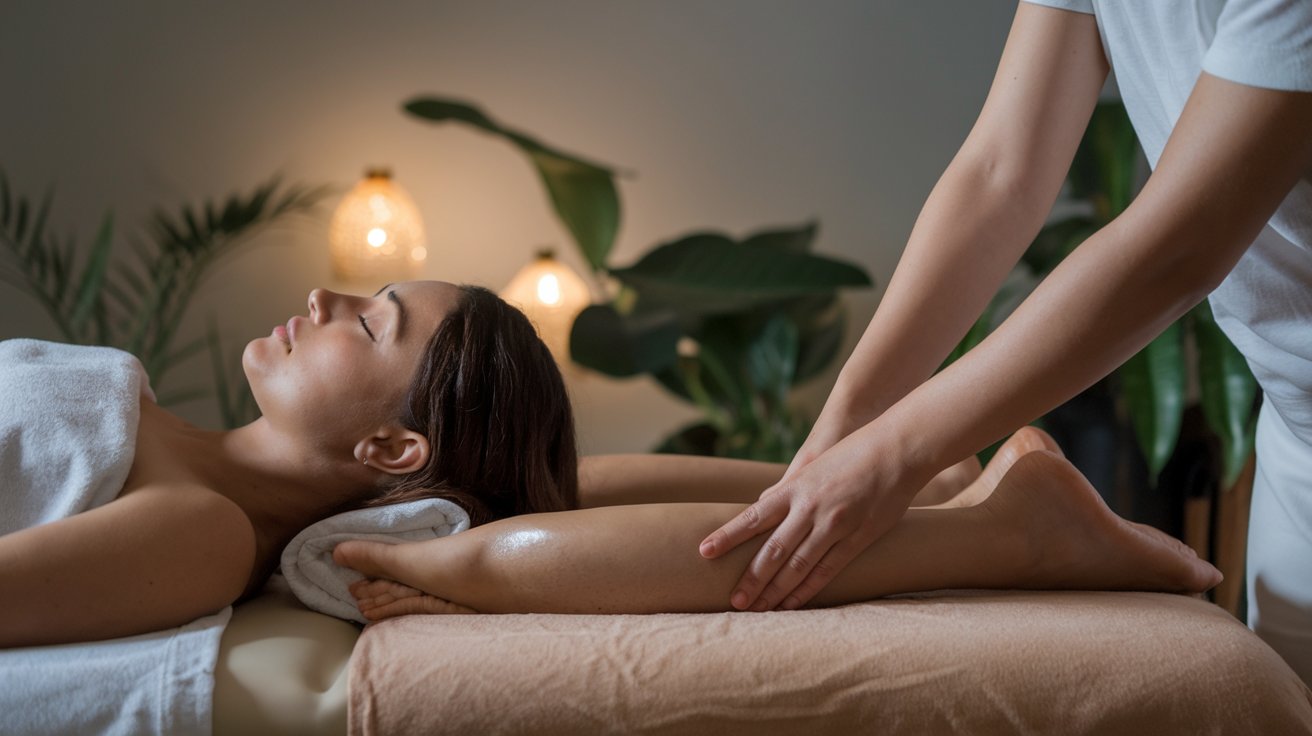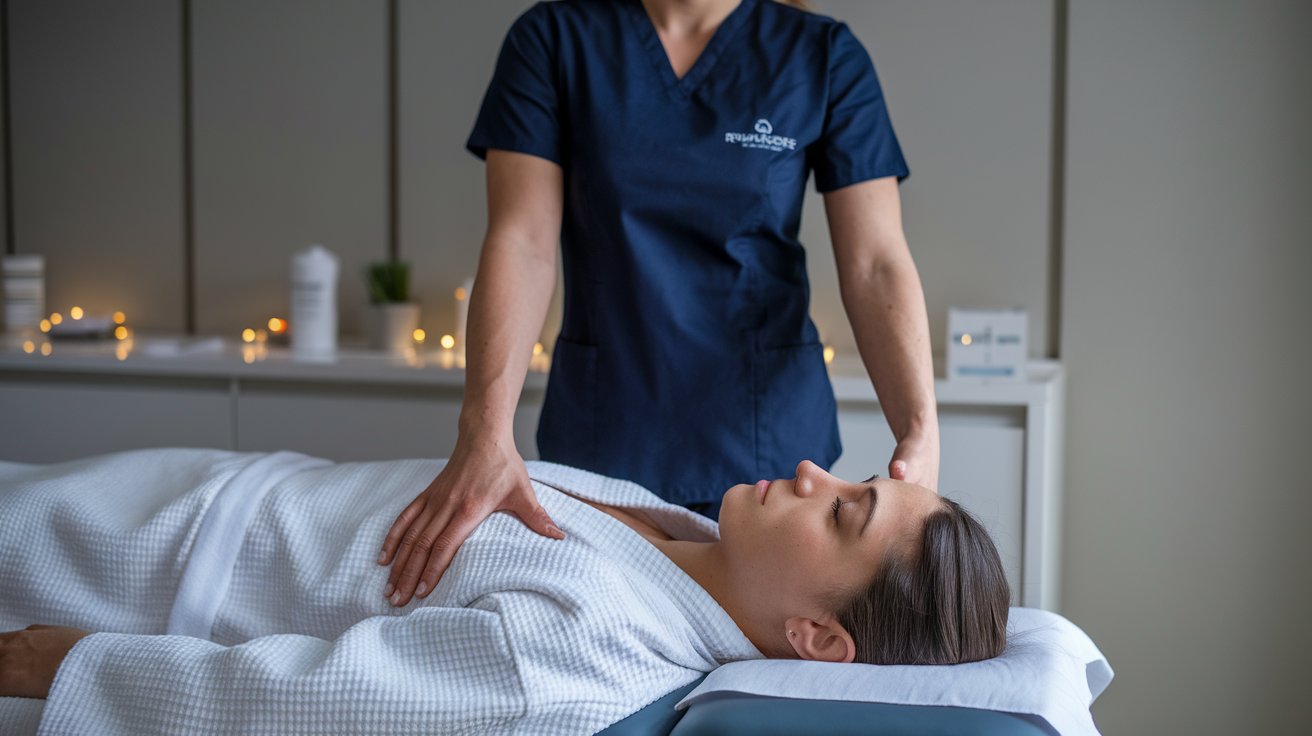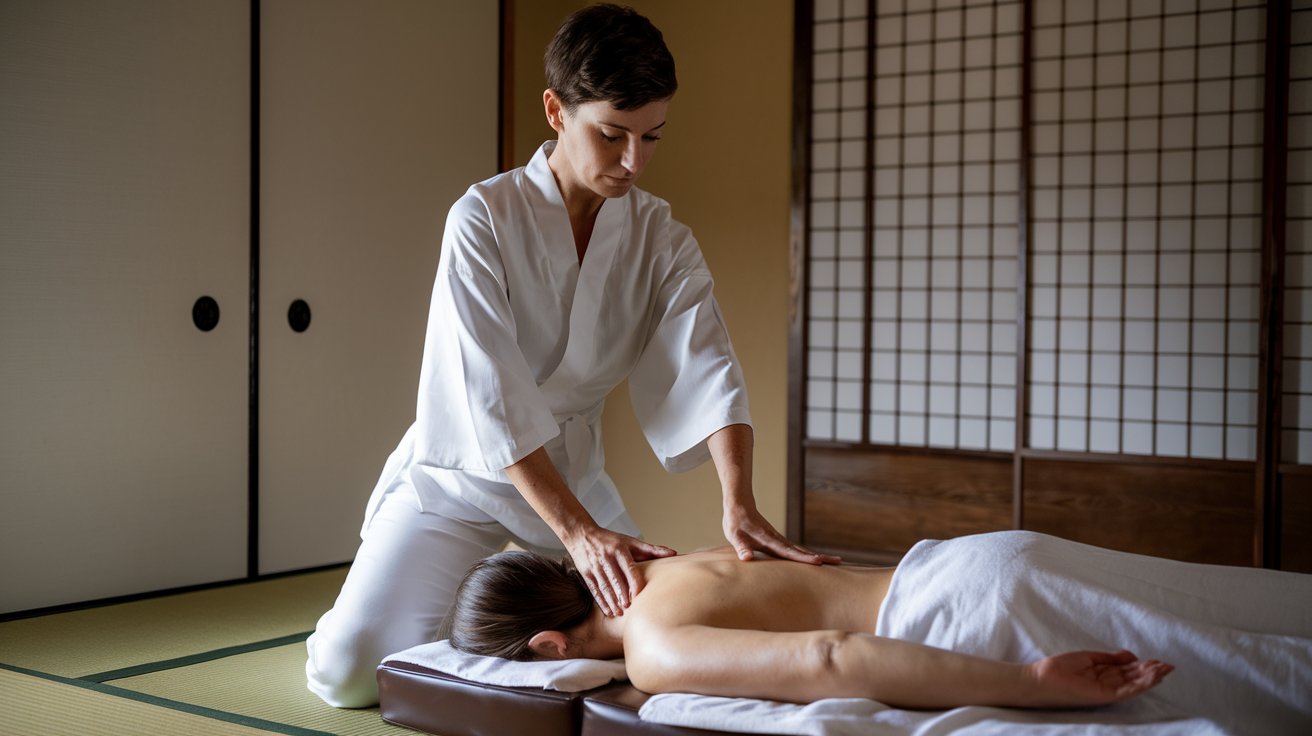
Shiatsu massage is a traditional Japanese bodywork therapy that uses finger and palm pressure along energy pathways called meridians to restore balance and promote healing. Unlike Western massage techniques that focus primarily on muscle manipulation, shiatsu combines elements of acupressure, stretching, and gentle manipulation to address both physical discomfort and energetic imbalances. In the United States, over 2.3 million people experienced shiatsu treatments in 2025, reflecting growing interest in holistic wellness approaches.
What Is Shiatsu Massage?
Shiatsu massage originated in Japan during the early 20th century, though its roots trace back thousands of years to traditional Chinese medicine. The word “shiatsu” literally translates to “finger pressure” in Japanese, describing the primary technique practitioners use. During a session, therapists apply rhythmic pressure using their thumbs, fingers, palms, elbows, and sometimes knees to specific points along the body’s meridian system.
This therapeutic practice operates on the principle that vital energy, called qi or chi, flows through meridian pathways throughout the body. When these pathways become blocked or imbalanced, physical symptoms and discomfort may arise. Shiatsu practitioners work to release these blockages and restore harmonious energy flow, promoting natural healing processes. The technique gained official recognition in Japan in 1964 and has since spread globally, with the American Organization for Bodywork Therapies of Asia reporting over 12,000 certified practitioners across the United States as of 2026.
Modern shiatsu incorporates five main styles: Namikoshi, Masunga (Zen Shiatsu), Ohashi, Integrative Eclectic, and Movement Shiatsu. Each style emphasizes different aspects of pressure application, energetic theory, and therapeutic approach. Regardless of style, all shiatsu massage sessions share common goals of reducing tension, improving circulation, supporting immune function, and enhancing overall well-being through non-invasive touch therapy.
What to Expect During a Shiatsu Massage
A typical shiatsu massage session lasts between 60 and 90 minutes and takes place on a padded mat on the floor or a low massage table. Unlike many Western massage styles, you remain fully clothed during shiatsu, wearing loose, comfortable clothing that allows freedom of movement. This approach differs significantly from oil-based massage techniques and makes shiatsu accessible for those who prefer not to disrobe.
Your shiatsu practitioner will begin with a brief consultation to understand your health history, current concerns, and wellness goals. They may assess your energy flow through observation, questioning, and gentle palpation of your abdomen (hara diagnosis) or pulse points. During the treatment, you’ll typically lie on your back, stomach, or side while the therapist applies sustained pressure to specific points along meridians.
The pressure applied during shiatsu varies from gentle holding to deeper compression, depending on your needs and the practitioner’s assessment. Sessions incorporate stretching, joint rotations, and rocking movements to release tension and improve flexibility. Many clients report feeling deeply relaxed yet energized after treatment, with improvements often noticed within 24 to 48 hours. According to 2025 client satisfaction surveys, 87% of first-time shiatsu recipients reported positive experiences and planned to continue treatments.
Health Benefits of Shiatsu Massage
Shiatsu massage offers numerous therapeutic benefits supported by both traditional wisdom and emerging scientific research. Studies published in the Journal of Bodywork and Movement Therapies in 2025 demonstrated that regular shiatsu treatments significantly reduced chronic pain levels in 73% of participants over a 12-week period. The therapy proves particularly effective for managing lower back pain, neck tension, headaches, and stress-related conditions.
Beyond pain relief, shiatsu supports digestive health by stimulating abdominal meridians and promoting parasympathetic nervous system activation. Many practitioners report clients experiencing improved sleep quality, reduced anxiety, and enhanced emotional balance after consistent sessions. The technique also supports immune function by improving lymphatic circulation and reducing cortisol levels associated with chronic stress.
Research from the National Center for Complementary and Integrative Health indicates that shiatsu massage may benefit individuals with fibromyalgia, arthritis, and recovery from sports injuries. The therapy’s holistic approach addresses both symptomatic relief and underlying energetic imbalances, making it valuable for preventive wellness care. In 2026, approximately 34% of Americans incorporating complementary therapies into their healthcare routines include shiatsu as part of their wellness regimen.
Shiatsu vs. Other Massage Types
Understanding how shiatsu differs from other massage modalities helps you choose the treatment best suited to your needs. While all massage therapies aim to promote relaxation and reduce physical discomfort, their techniques, philosophies, and applications vary significantly. Shiatsu massage stands apart through its energetic foundation, clothed approach, and emphasis on meridian-based pressure points rather than purely anatomical muscle manipulation.
The therapeutic goals also differ across modalities. Western massage techniques typically focus on muscular tension release, circulation improvement, and tissue manipulation. Shiatsu, conversely, addresses both physical symptoms and energetic imbalances, viewing the body as an interconnected system where emotional, physical, and spiritual health influence one another. This holistic perspective makes shiatsu particularly appealing to those seeking comprehensive wellness support beyond symptomatic relief.
Shiatsu vs. Swedish Massage
Swedish massage represents the most common Western massage technique, utilizing five primary strokes—effleurage, petrissage, tapotement, friction, and vibration—applied with oils or lotions on bare skin. Sessions focus on superficial muscle layers, promoting circulation and general relaxation. In contrast, shiatsu massage employs sustained pressure on specific points without oils, performed through clothing on floor mats.
The philosophical foundations differ substantially. Swedish massage bases its approach on Western anatomical knowledge, targeting muscle groups and soft tissue. Shiatsu draws from traditional Chinese medicine, addressing qi flow along meridian pathways. Swedish sessions typically feel more gliding and flowing, while shiatsu treatments incorporate static pressure holds, stretches, and joint mobilization. Both effectively reduce stress, though Swedish massage may provide more immediate muscular relaxation while shiatsu offers deeper energetic balancing effects that unfold over subsequent days.
Shiatsu vs. Thai Massage
Thai massage shares several similarities with shiatsu, including floor-based practice, clothed sessions, and incorporation of stretching techniques. Both modalities recognize energy pathways—called sen lines in Thai massage and meridians in shiatsu. However, Thai massage typically involves more dynamic stretching, yoga-like positions, and rhythmic rocking movements, earning it the nickname “lazy person’s yoga.”
The primary distinction lies in application intensity and philosophy. Thai massage practitioners use their entire body weight to create deeper stretches and leverage, while shiatsu relies more on controlled finger, palm, and thumb pressure with gentler manipulation. Thai massage sessions often feel more physically demanding and energizing, whereas shiatsu treatments tend toward meditative stillness with targeted pressure work. According to 2025 practitioner surveys, Thai massage clients seek increased flexibility and athletic performance support, while shiatsu clients prioritize stress reduction and energetic balance.
Shiatsu vs. Deep Tissue Massage
Deep tissue massage targets chronic muscle tension and adhesions in deeper muscle layers using slow strokes and direct pressure across muscle grain. Therapists apply significant pressure using fingers, knuckles, elbows, and forearms, often causing temporary discomfort during treatment. This modality proves effective for chronic pain, repetitive strain injuries, and postural problems stemming from muscular issues.
While both techniques can address chronic pain, their mechanisms differ fundamentally. Deep tissue massage works through mechanical manipulation of muscle fibers, breaking down scar tissue and increasing blood flow to affected areas. Shiatsu massage addresses pain through meridian point stimulation, energetic rebalancing, and gentle tissue manipulation without the intense pressure characteristic of deep tissue work. Sessions feel distinctly different—deep tissue can feel temporarily uncomfortable but immediately releases muscle knots, while shiatsu provides gentler pressure with therapeutic effects emerging gradually as energy balance restores.
Techniques Used in Shiatsu Massage
Shiatsu practitioners employ various techniques beyond simple finger pressure to address client needs comprehensively. The fundamental technique involves applying perpendicular pressure to meridian points using thumbs, fingers, or palms, typically held for 3 to 7 seconds before releasing. This sustained pressure stimulates specific acupressure points, releasing blocked energy and promoting circulation to surrounding tissues.
Stretching techniques play a crucial role in shiatsu sessions, with practitioners gently rotating joints, extending limbs, and encouraging the body through ranges of motion that release tension and improve flexibility. These stretches differ from aggressive manipulation, instead working within comfortable limits to gradually open restricted areas. Palm pressure applied to larger body surfaces distributes force more broadly, particularly useful for treating the back, abdomen, and larger muscle groups.
Advanced shiatsu techniques include rocking movements that create rhythmic oscillation throughout the body, promoting relaxation and energetic flow. Practitioners may use elbow pressure for deeper work on larger muscle groups, always maintaining awareness of client comfort and response. The technique of “listening hands” involves holding points with gentle contact, allowing practitioners to sense energetic qualities and adjust treatment accordingly. In 2026, the American Organization for Bodywork Therapies of Asia requires practitioners to complete minimum 500-hour training programs covering anatomy, meridian theory, and these diverse techniques.
Do You Wear Clothes for Shiatsu Massage?
Yes, you remain fully clothed during shiatsu massage sessions, which distinguishes this modality from many Western massage techniques. Practitioners recommend wearing loose, comfortable clothing made from natural fibers like cotton that allows unrestricted movement. Suitable attire includes yoga pants, sweatpants, loose-fitting t-shirts, and comfortable socks. Avoid restrictive clothing like jeans, belts, or garments with heavy zippers that might interfere with treatment.
The clothed approach serves several practical and philosophical purposes in shiatsu practice. First, clothing provides a comfortable barrier that allows practitioners to apply appropriate pressure without skin-to-skin contact, making the therapy accessible to individuals who prefer modest treatment approaches. Second, the technique doesn’t require oils or lotions since practitioners aren’t gliding over skin surfaces but rather applying perpendicular pressure through fabric.
From an energetic perspective, shiatsu practitioners can effectively access meridian points and assess qi flow through clothing without compromising therapeutic effectiveness. The fabric layer doesn’t impede energy work or pressure point stimulation. This clothed approach also makes shiatsu convenient for corporate wellness programs, community events, and situations where changing clothes or using treatment oils proves impractical. Approximately 92% of shiatsu clients surveyed in 2025 appreciated the clothed format, citing increased comfort and convenience compared to traditional massage requiring disrobing.
What Not to Do After Shiatsu Massage
Following a shiatsu massage session, certain activities should be avoided to maximize therapeutic benefits and prevent adverse reactions. Immediately after treatment, avoid strenuous exercise or physically demanding activities for at least 4 to 6 hours. Your body continues processing the energetic shifts initiated during the session, and intense physical exertion can interfere with this integration period. Allow time for rest and gentle movement rather than jumping into vigorous workouts.
Avoid consuming alcohol, caffeine, or heavy meals within 2 to 3 hours after shiatsu treatment. The therapy stimulates detoxification processes and metabolic activity, which these substances can disrupt. Instead, drink plenty of water to support your body’s natural cleansing mechanisms and help flush released toxins. Many practitioners recommend consuming at least 8 to 10 glasses of water in the 24 hours following treatment to optimize results.
Don’t make important decisions or engage in mentally demanding tasks immediately after your session if you feel particularly relaxed or slightly disoriented. Shiatsu massage can produce deeply meditative states, and some clients experience temporary lightheadedness or emotional release. Honor these responses by allowing quiet integration time. Avoid exposure to extreme temperatures—hot tubs, saunas, or ice baths—for several hours post-treatment, as your body’s circulation and energy systems remain in heightened responsive states. Following these guidelines helps ensure you receive maximum benefit from your shiatsu experience while minimizing potential side effects like temporary fatigue or detoxification symptoms.
How to Find a Qualified Shiatsu Practitioner
Finding a qualified shiatsu practitioner requires research into credentials, training, and professional affiliations. In the United States, shiatsu falls under massage therapy regulations in most states, requiring practitioners to hold valid massage therapy licenses. Look for therapists certified by reputable organizations like the American Organization for Bodywork Therapies of Asia (AOBTA) or the National Certification Board for Therapeutic Massage and Bodywork (NCBTMB).
Qualified shiatsu therapists complete specialized training programs ranging from 500 to 1,000 hours, covering meridian theory, traditional Chinese medicine principles, anatomy, physiology, and hands-on technique practice. When evaluating potential practitioners, ask about their specific shiatsu training, years of experience, and areas of specialization. Many therapists focus on particular applications such as prenatal shiatsu, sports-related treatments, or chronic pain management.
Personal referrals from healthcare providers, friends, or family members provide valuable insights into practitioner quality and approach. Online directories through professional organizations allow you to search for certified shiatsu practitioners by location and specialty. During initial consultations, assess whether the therapist listens carefully to your concerns, explains their approach clearly, and creates a comfortable, professional environment. In 2026, the average cost for shiatsu massage sessions in the United States ranges from $80 to $150 for 60-minute treatments, with prices varying by geographic location and practitioner experience level.
Shiatsu Massage Chairs and Foot Massagers
Shiatsu massage chairs have become increasingly popular for home wellness, offering convenient access to shiatsu-inspired therapy between professional sessions. These specialized recliners incorporate rotating nodes, rollers, and airbags that simulate finger pressure, kneading, and rolling techniques characteristic of manual shiatsu. Advanced models feature body scanning technology that customizes massage patterns to individual body dimensions and detects areas requiring focused attention.
Modern shiatsu chairs in 2026 incorporate zero-gravity positioning, heat therapy, and programmable massage routines targeting specific body regions. While these devices provide relaxation and temporary muscle relief, they cannot replicate the energetic assessment, meridian-specific treatment, and intuitive adjustments that trained practitioners offer. Chair massage proves valuable for maintaining wellness between professional sessions and addressing everyday tension, with the home shiatsu chair market reaching $2.8 billion in the United States during 2025.
Shiatsu foot massagers represent another popular home therapy option, using rotating nodes and compression to stimulate reflexology points on feet corresponding to organs and body systems throughout the body. These devices typically incorporate heat therapy and adjustable intensity settings, providing targeted relief for foot pain, plantar fasciitis, and circulation issues. Quality foot massagers range from $100 to $400, offering convenient daily self-care that complements professional shiatsu treatments. However, individuals with diabetes, circulatory disorders, or foot injuries should consult healthcare providers before using mechanical massage devices.
Is Shiatsu Massage Painful?
Shiatsu massage should not be painful, though you may experience temporary discomfort when practitioners address areas holding significant tension or energetic blockages. The sensation during treatment typically ranges from pleasantly relaxing to mildly intense pressure that feels therapeutic rather than painful. Skilled practitioners continuously monitor your responses and adjust pressure according to your comfort level and therapeutic needs.
Some clients describe certain shiatsu pressure points as feeling tender or sensitive, particularly when blocked meridians receive attention. This sensation differs from pain, instead indicating areas where energy flow has stagnated and requires release. Practitioners often describe the ideal pressure as “good hurt”—intense enough to produce therapeutic change but never causing sharp pain or extreme discomfort. Communication remains essential throughout your session; always inform your therapist if pressure feels too intense or causes genuine pain.
Post-treatment soreness occasionally occurs, similar to feelings after exercise when previously inactive muscles engage. This mild discomfort typically resolves within 24 to 48 hours and indicates therapeutic work affecting deeper tissue layers and energetic systems. According to 2025 client feedback surveys, only 8% of shiatsu recipients reported experiencing anything beyond mild, temporary discomfort during or after sessions. If you have low pain tolerance or sensitivity to pressure, discuss this with your practitioner beforehand so they can adjust techniques accordingly, perhaps incorporating more gentle holding and stretching with less direct pressure work.
Related video about what is shiatsu massage
This video complements the article information with a practical visual demonstration.
Frequently Asked Questions
What is a shiatsu massage good for?
Shiatsu massage effectively addresses chronic pain conditions, stress-related disorders, digestive issues, headaches, and sleep disturbances. The therapy supports immune function, improves circulation, and promotes emotional balance by addressing both physical symptoms and underlying energetic imbalances. Research indicates particular effectiveness for lower back pain, neck tension, anxiety reduction, and recovery from sports injuries. Many clients use shiatsu as preventive wellness care to maintain overall health and vitality.
How is shiatsu different from massage?
Shiatsu differs from Western massage through its foundation in traditional Chinese medicine and emphasis on meridian-based energy work rather than purely muscular manipulation. Unlike oil-based massage requiring disrobing, shiatsu is performed through comfortable clothing on floor mats. The technique uses sustained finger and palm pressure on specific points along energy pathways, combined with stretching and joint mobilization. While Western massage focuses on anatomical structures, shiatsu addresses whole-body energetic balance and qi flow.
What’s the difference between shiatsu and ashiatsu massage?
Shiatsu and ashiatsu are completely different modalities despite similar names. Shiatsu uses finger, thumb, and palm pressure based on Japanese meridian theory, performed through clothing on mats. Ashiatsu, meaning “foot pressure,” involves therapists using their feet to apply deep pressure massage while holding overhead bars for support. Ashiatsu is performed on massage tables with oils on bare skin, focusing on deep tissue work through broad foot compression rather than shiatsu’s targeted point-based energy work.
How often should you get shiatsu massage?
Optimal shiatsu massage frequency depends on individual health goals and conditions. For acute issues or significant stress, weekly sessions for 4 to 6 weeks provide intensive support. For chronic conditions or ongoing wellness maintenance, bi-weekly or monthly sessions prove effective. Many practitioners recommend starting with weekly treatments to establish energetic balance, then spacing sessions as improvements stabilize. Listen to your body’s responses and consult your therapist to determine the schedule best supporting your specific needs.
Can pregnant women receive shiatsu massage?
Yes, shiatsu massage can benefit pregnant women when performed by practitioners trained in prenatal bodywork. The therapy helps relieve common pregnancy discomforts including lower back pain, swelling, and stress. However, certain meridian points should be avoided during pregnancy as they may stimulate uterine contractions. Always inform your practitioner about pregnancy, and seek therapists with specific prenatal certification. Most practitioners recommend waiting until after the first trimester before beginning regular shiatsu treatments during pregnancy.
What should I wear to a shiatsu massage appointment?
Wear loose, comfortable clothing made from natural fibers like cotton for your shiatsu massage session. Appropriate attire includes yoga pants, sweatpants, loose t-shirts, and comfortable socks. Avoid restrictive clothing such as jeans, tight leggings, belts, or garments with heavy zippers. The clothing should allow unrestricted movement and not bunch uncomfortably when lying down. Since you remain fully clothed throughout the session, choose items you’d feel comfortable wearing during gentle exercise or yoga practice.
| Key Aspect | Important Details | Benefit |
|---|---|---|
| Treatment Duration | 60-90 minutes per session | Comprehensive full-body energetic balancing |
| Clothing Requirements | Remain fully clothed in loose, comfortable attire | Increased comfort and accessibility for all clients |
| Primary Technique | Finger and palm pressure on meridian points | Releases energetic blockages and promotes qi flow |
| Session Cost (2026) | $80-$150 for 60-minute treatment | Affordable holistic wellness investment |
| Practitioner Training | Minimum 500 hours specialized certification | Professional expertise in meridian therapy |
| Best For | Chronic pain, stress, digestive issues, sleep problems | Addresses root causes beyond symptomatic relief |