Aromatherapy massage combines the therapeutic benefits of massage therapy with the healing properties of essential oils extracted from plants. This holistic treatment involves applying diluted essential oils to the skin during a massage, allowing the body to absorb them while simultaneously inhaling their aromatic compounds. In 2026, over 42 million Americans regularly use aromatherapy massage as a complementary wellness practice to reduce stress, alleviate pain, and improve overall well-being.
Understanding Aromatherapy Massage
Aromatherapy massage is a specialized form of bodywork that integrates essential oils into traditional massage techniques. During the session, a trained therapist selects specific essential oils based on your health concerns, preferences, and desired outcomes. These concentrated plant extracts are diluted in carrier oils such as jojoba, sweet almond, or coconut oil before being applied to your skin. The combination of massage and aromatherapy creates a multi-sensory experience that addresses both physical and emotional wellness.
The practice has evolved significantly in the United States, with the American Massage Therapy Association reporting that 38% of massage therapists now incorporate aromatherapy into their sessions as of 2026. This therapeutic approach works through two primary pathways: topical absorption through the skin and inhalation through the olfactory system. When essential oil molecules enter your bloodstream or reach your brain’s limbic system, they can trigger physiological and psychological responses that promote healing and relaxation.
What Happens During an Aromatherapy Massage Session
A typical aromatherapy massage session begins with a consultation where your therapist assesses your health history, current concerns, and wellness goals. This initial conversation helps determine which essential oils will be most beneficial for your specific needs. The therapist will ask about any allergies, sensitivities, or medical conditions that might influence oil selection. Most sessions in the United States last between 60 to 90 minutes, though some spas offer extended 120-minute full body treatments for deeper relaxation.
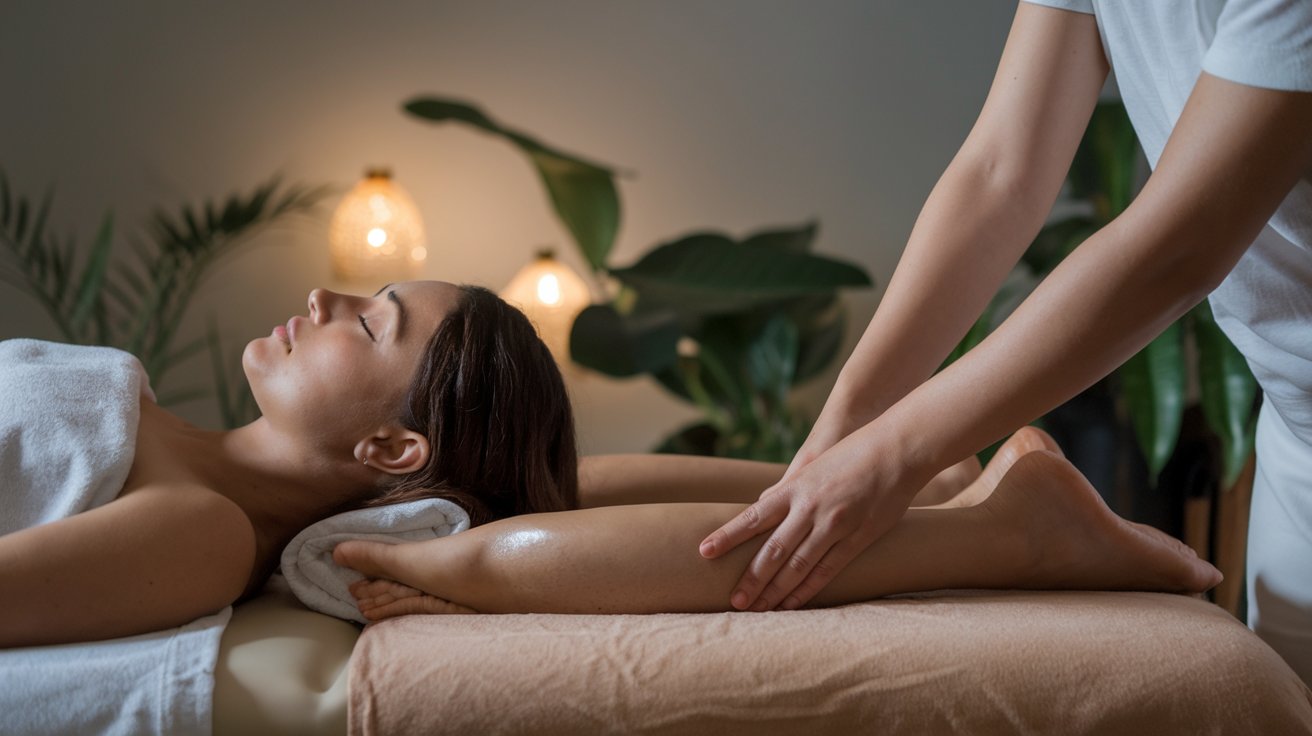
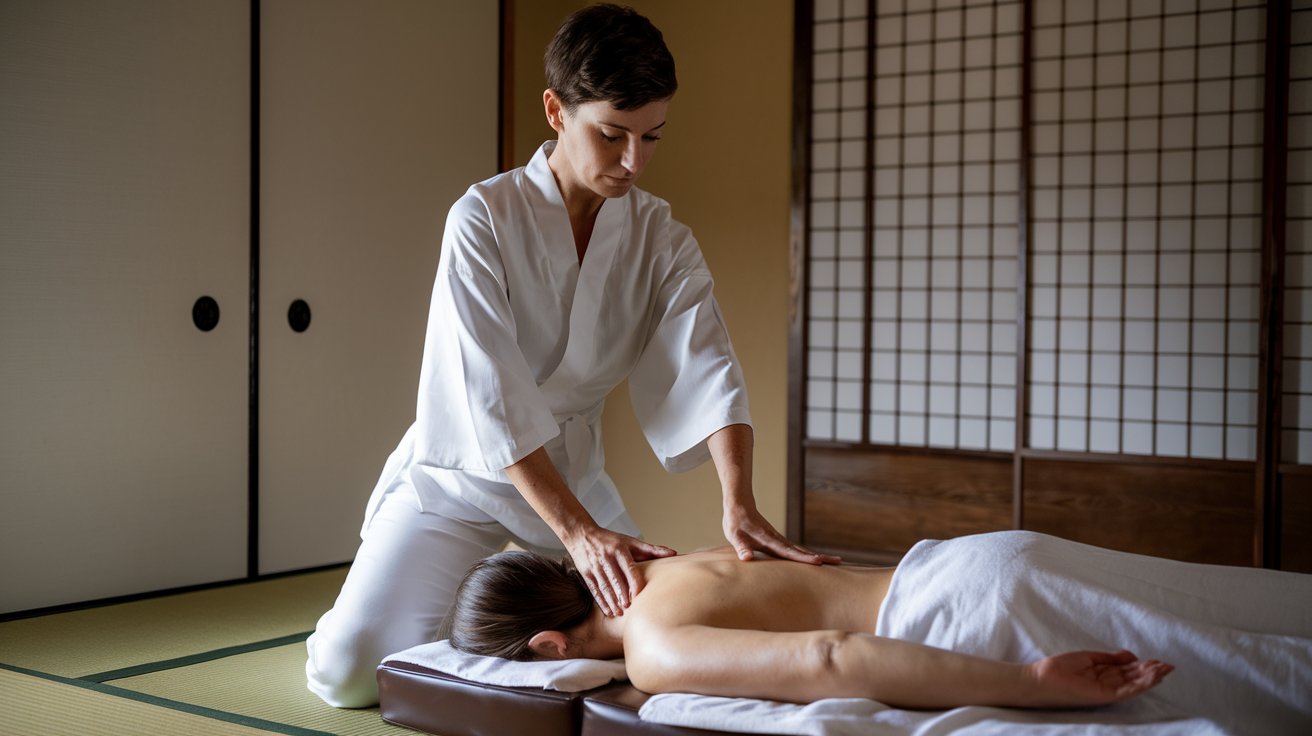
Once the consultation is complete, you’ll be asked to undress to your comfort level and lie on a massage table, typically covered with sheets or towels. The therapist will blend selected essential oils with carrier oils and warm them slightly for comfortable application. Throughout the session, various massage techniques such as Swedish massage strokes, kneading, and gentle pressure are applied while the aromatic oils are massaged into your skin. The room environment is carefully controlled with soft lighting, calming music, and optimal temperature to enhance the therapeutic experience.
Difference Between Normal Massage and Aromatherapy Massage
The primary distinction between standard massage and aromatherapy massage lies in the intentional use of essential oils as therapeutic agents. While traditional massage focuses solely on manipulating muscles, soft tissues, and joints to relieve tension and improve circulation, aromatherapy massage adds the chemical and psychological benefits of plant essences. Regular massage typically uses unscented lotions or oils purely for skin lubrication, whereas aromatherapy deliberately incorporates oils chosen for their specific healing properties.
In terms of technique, aromatherapy massage often employs gentler, more flowing movements compared to deep tissue or sports massage. The pressure applied is generally lighter to moderate, allowing the body to better absorb the essential oils through the skin. Research from the National Center for Complementary and Integrative Health indicates that aromatherapy massage produces measurably different neurological responses than unscented massage, particularly in areas of the brain associated with emotion and memory. Price points also differ, with aromatherapy sessions typically costing $15 to $40 more than standard massage across US markets in 2026.
Essential Oils Used in Aromatherapy Massage
Professional aromatherapy massage therapists work with a carefully curated selection of essential oils, each offering distinct therapeutic properties. The most commonly used oils in American practices include lavender for relaxation and stress reduction, peppermint for pain relief and mental clarity, eucalyptus for respiratory support, tea tree for antimicrobial benefits, and chamomile for calming inflammation. Therapists may use single oils or create custom blends combining multiple essences to address complex health concerns.
The quality and purity of essential oils significantly impact treatment effectiveness. Reputable massage therapists use therapeutic-grade oils from certified organic sources that have been tested for contaminants and adulteration. In 2026, the essential oil market in the United States has implemented stricter quality standards, with third-party testing becoming industry standard. Proper dilution is critical, with most massage applications requiring a 2-3% dilution ratio, meaning 10-15 drops of essential oil per ounce of carrier oil for safe topical use.
Proven Benefits of Aromatherapy Massage
Clinical research has documented numerous physical and mental health benefits of aromatherapy massage. Studies published in complementary medicine journals show that regular sessions can significantly reduce cortisol levels, the body’s primary stress hormone, by up to 31% after just one treatment. Patients report improved sleep quality, decreased anxiety levels, and enhanced mood regulation following consistent aromatherapy massage therapy. The combination of touch therapy and aromatic compounds creates synergistic effects that surpass benefits achieved through massage or aromatherapy alone.
For pain management, aromatherapy massage has shown remarkable efficacy in treating chronic conditions. A 2025 study involving 847 participants with fibromyalgia found that twice-weekly aromatherapy massage sessions reduced pain scores by 43% over eight weeks. The practice also benefits circulation, lymphatic drainage, and immune system function. Athletes increasingly use aromatherapy massage for muscle recovery and injury prevention, with sports medicine clinics reporting a 67% increase in these services since 2024. Mental health professionals now recommend aromatherapy massage as an adjunct treatment for depression and anxiety disorders, particularly when conventional therapies alone prove insufficient.
Aromatherapy Massage Techniques
Therapists employ various specialized techniques during aromatherapy massage sessions to maximize oil absorption and therapeutic benefits. Effleurage involves long, gliding strokes that warm the muscles and spread oils evenly across large body areas, creating a foundation for deeper work. Petrissage uses kneading and lifting motions that help essential oils penetrate deeper tissue layers while releasing muscle tension. These fundamental Swedish massage techniques are adapted with mindful attention to oil distribution and absorption rates.
Advanced practitioners also incorporate lymphatic drainage techniques and acupressure points specific to aromatherapy applications. The Raindrop Technique, developed in the 1980s but refined significantly by 2026, involves applying essential oils along the spine in specific sequences to promote structural and electrical alignment. Some therapists use hot stone aromatherapy massage, where heated stones are infused with essential oils before being placed on key energy points. The viscosity and absorption rate of different carrier oils influence technique selection, with lighter oils like grapeseed allowing for faster, more dynamic movements compared to heavier oils like avocado or jojoba.
Full Body Aromatherapy Massage Experience
A comprehensive full body aromatherapy massage addresses all major muscle groups from head to toe in a systematic, flowing sequence. The session typically begins with you lying face down while the therapist works on your back, shoulders, and neck using broad, warming strokes infused with your chosen essential oil blend. Attention then moves to the arms, hands, legs, and feet, with each area receiving targeted pressure and stretching tailored to release tension. The therapist maintains continuous contact throughout, creating an uninterrupted relaxation experience.
After completing the posterior body, you’ll turn over for work on the front of your legs, arms, neck, and scalp. Many therapists incorporate facial massage into full body sessions, as the delicate skin of the face responds particularly well to gentle aromatherapy application. The abdomen may be included if you’re comfortable, using specialized techniques that support digestive function and emotional release. Full body sessions in 2026 average 75-90 minutes and cost between $120-$200 in most US markets, with prices varying by region and therapist expertise. The complete experience leaves most clients in a deeply relaxed, almost meditative state that can persist for hours or days following treatment.
What to Wear to an Aromatherapy Massage
For your aromatherapy massage appointment, wear comfortable, loose-fitting clothing that’s easy to remove and put back on. Most professional massage practices provide private changing areas and secure storage for your belongings. You’ll typically undress to your comfort level before the session, with options ranging from complete undress to keeping undergarments on. Professional therapists use proper draping techniques with sheets and towels to ensure only the body area being worked on is exposed at any time.
Many clients choose to remove all clothing for optimal oil application and movement freedom, but this is entirely personal preference. If you prefer to keep underwear on, consider wearing older garments as some essential oils may leave slight residue despite carrier oil bases. After your session, you’ll want to wear loose, natural-fiber clothing that won’t restrict newly relaxed muscles. Avoid wearing jewelry, especially necklaces and bracelets, as these interfere with massage flow. Some spas provide disposable undergarments or robes for client comfort, and it’s perfectly acceptable to inquire about these options when booking your appointment.
Aromatherapy Massage Safety and Risks
While aromatherapy massage is generally safe for most people, certain precautions and contraindications must be considered. Essential oils are highly concentrated substances that can cause skin irritation, allergic reactions, or photosensitivity in susceptible individuals. Before your first session, reputable therapists conduct patch tests with proposed oil blends to identify potential sensitivities. Common adverse reactions include redness, itching, or rash at application sites, which typically resolve quickly when oils are removed and the area is washed.
Individuals with specific health conditions should exercise additional caution or avoid aromatherapy massage entirely. Those with epilepsy should avoid certain oils like rosemary and fennel that may trigger seizures. People with asthma or severe allergies need careful oil selection to prevent respiratory reactions or anaphylaxis. If you have high blood pressure, kidney disease, or liver problems, consult your physician before receiving aromatherapy treatments, as some essential oils can affect these conditions. Skin conditions like eczema or psoriasis may worsen with certain oils, though paradoxically, properly selected oils can also provide therapeutic relief for these same conditions. Always inform your therapist about medications you’re taking, as some essential oils interact with pharmaceuticals including blood thinners and antidepressants.
Aromatherapy Massage During Pregnancy
Pregnancy requires special considerations for aromatherapy massage safety. While prenatal massage offers significant benefits including reduced back pain, decreased swelling, and improved sleep, certain essential oils are contraindicated during pregnancy due to potential effects on hormone levels and uterine stimulation. Oils to avoid completely include clary sage, rosemary, juniper, and pennyroyal, which may trigger contractions or affect fetal development. Most practitioners recommend avoiding all essential oils during the first trimester when fetal organ systems are forming.
After the first trimester, pregnancy-safe aromatherapy massage can provide welcome relief from common discomforts. Safe oils for second and third trimester use include lavender for relaxation, chamomile for inflammation, and citrus oils like sweet orange for mood enhancement. Certified prenatal massage therapists understand proper positioning techniques and pressure modifications necessary for pregnant clients. In 2026, approximately 63% of massage therapists in the United States hold specialized prenatal certifications. Always inform your therapist about your pregnancy and current trimester, and obtain clearance from your obstetrician or midwife before scheduling aromatherapy massage sessions. Most practitioners require written medical approval for pregnancy massage, particularly for high-risk pregnancies.
Finding Aromatherapy Massage Services Near You
Locating qualified aromatherapy massage therapists in your area requires research into credentials and specializations. Start by searching for licensed massage therapists who specifically list aromatherapy as a practice focus. In the United States, massage therapy licensing requirements vary by state, with most requiring 500-1000 hours of training from accredited institutions. Look for practitioners with additional certifications in aromatherapy from recognized organizations like the National Association for Holistic Aromatherapy or Alliance of International Aromatherapists.
Online platforms and directories help streamline your search for local aromatherapy massage providers. Websites like MassageBook, AMTA’s Find a Massage Therapist tool, and wellness apps allow filtering by specialty, location, and availability. Read client reviews focusing on comments about oil quality, technique effectiveness, and overall experience. Prices for aromatherapy massage in major US metropolitan areas range from $95-$175 for 60-minute sessions in 2026, while smaller markets typically charge $70-$120. Many practitioners offer first-time client discounts or package deals for multiple sessions. When calling to book, ask about the therapist’s training, oil sources, customization options, and cancellation policies to ensure the provider meets your needs and professional standards.
Maximizing Your Aromatherapy Massage Benefits
To gain the most from your aromatherapy massage sessions, implement before and after-care practices that enhance results. Arrive at your appointment well-hydrated, as proper hydration improves skin’s oil absorption capacity and helps flush metabolic wastes released during massage. Avoid eating heavy meals within two hours of your session, though light snacks are acceptable. Communicate openly with your therapist about pressure preferences, areas needing attention, and any discomfort experienced during treatment. This feedback allows real-time adjustments that optimize your experience.
After your session, extend the benefits through mindful post-massage practices. Drink plenty of water to support the detoxification process initiated by massage and oil absorption. Avoid strenuous activity for at least 4-6 hours, allowing your body to fully integrate the therapeutic effects. Many therapists recommend leaving oils on your skin for several hours rather than showering immediately, as absorption continues after the session ends. Schedule sessions consistently, with research suggesting that bi-weekly treatments produce optimal results for chronic conditions, while monthly sessions maintain general wellness. Keep a journal noting how you feel physically and emotionally after each session to track patterns and inform future essential oil selections and treatment approaches.
Related video about what is aromatherapy massage
This video complements the article information with a practical visual demonstration.
What you should know
Does aromatherapy massage help with muscle atrophy?
Aromatherapy massage can support muscle maintenance and recovery but cannot reverse muscle atrophy caused by neurological conditions or prolonged immobility. The massage component stimulates blood flow and lymphatic circulation, delivering nutrients to muscle tissue while removing metabolic waste products. Essential oils like black pepper, ginger, and rosemary possess warming properties that enhance circulation and may support muscle function. However, muscle atrophy treatment requires comprehensive medical intervention including physical therapy, resistance exercises, and addressing underlying causes. Aromatherapy massage works best as a complementary therapy alongside conventional treatments, with studies showing it can reduce inflammation and improve range of motion in affected areas. For individuals with muscle atrophy, sessions should be performed by therapists experienced in medical massage who understand appropriate pressure levels and contraindications specific to neuromuscular conditions.
How often should you get aromatherapy massage?
The ideal frequency for aromatherapy massage depends on your specific health goals and individual circumstances. For general stress management and wellness maintenance, monthly sessions provide sufficient benefits for most people. Those addressing chronic pain conditions, anxiety disorders, or recovering from injuries benefit from weekly or bi-weekly treatments until symptoms improve, then transitioning to maintenance schedules. Athletes often schedule aromatherapy massage weekly during training periods and after competitions for muscle recovery and injury prevention. Research from 2025 indicates that consistent bi-weekly sessions for eight weeks produce measurable improvements in cortisol levels, sleep quality, and pain perception. Budget considerations also influence frequency, with package deals making regular sessions more affordable. Listen to your body’s response and consult with your therapist to develop a personalized treatment schedule that aligns with your wellness objectives and practical constraints.
Can aromatherapy massage cause side effects?
While generally safe when performed by qualified practitioners, aromatherapy massage can cause side effects in some individuals. The most common reactions include temporary skin irritation, redness, or rash at application sites, particularly in people with sensitive skin or essential oil allergies. Some people experience headaches from strong aromatic compounds, especially in poorly ventilated rooms. Certain oils like peppermint and eucalyptus may cause respiratory irritation in individuals with asthma or chemical sensitivities. Photosensitive oils such as bergamot, lemon, and other citrus varieties can increase sun sensitivity, leading to sunburn or skin discoloration if exposed to UV light within 12-24 hours of application. Rare but serious reactions include allergic responses requiring medical attention. To minimize risks, always work with licensed therapists who use properly diluted, therapeutic-grade oils, conduct patch tests for new oils, and maintain detailed health history records. Report any unusual reactions immediately to your therapist and discontinue use of problematic oils.
What should I do if I don’t like the essential oil scent during my massage?
If you find an essential oil scent unpleasant during your aromatherapy massage, communicate this immediately to your therapist. Professional practitioners understand that scent preferences are highly individual and that negative reactions to aromas can prevent relaxation and diminish therapeutic benefits. Your therapist can quickly switch to alternative oils with similar therapeutic properties but different aromatic profiles, or reduce oil concentration to make scents less intense. Many therapists keep unscented carrier oils available for clients who discover mid-session that aromatherapy isn’t right for them. There’s no obligation to continue with oils you dislike, and good therapists appreciate honest feedback that allows them to customize your experience effectively. For future appointments, discuss scent preferences during the initial consultation, and consider requesting sample sniffs of proposed oils before the session begins. Some practices offer scent-free massage as a standard option for clients with fragrance sensitivities or those who simply prefer traditional massage without aromatic elements.
Is aromatherapy massage covered by health insurance?
Coverage for aromatherapy massage varies significantly among US health insurance plans, with most traditional policies not covering aromatherapy specifically. However, if massage therapy is prescribed by a physician for a documented medical condition such as chronic pain, post-surgical rehabilitation, or anxiety disorders, some insurance plans may cover the massage portion while excluding additional charges for essential oils. As of 2026, approximately 23% of employer-sponsored health plans include some massage therapy benefits with restrictions on frequency and provider qualifications. Health Savings Accounts and Flexible Spending Accounts typically allow massage expenses when medically necessary. Some progressive insurers now cover complementary therapies including aromatherapy massage as part of integrative health programs. Workers’ compensation and auto injury claims more frequently approve massage therapy for rehabilitation. To determine your coverage, contact your insurance provider directly, obtain written documentation of medical necessity from your physician, and verify that your chosen therapist meets insurance credentialing requirements. Many practices offer superbills for insurance reimbursement submission even when they don’t directly bill insurance companies.
| Key Aspect | Important Details | Primary Benefit |
|---|---|---|
| Session Duration | 60-90 minutes typical, up to 120 minutes for full body | Complete relaxation and therapeutic oil absorption |
| Essential Oil Dilution | 2-3% ratio (10-15 drops per ounce carrier oil) | Safe topical application without irritation |
| Average Cost | $95-$175 for 60 minutes in major US cities (2026) | Accessible wellness investment with lasting effects |
| Recommended Frequency | Monthly for wellness, bi-weekly for chronic conditions | Sustained stress reduction and pain management |
| Therapist Qualifications | State massage license plus aromatherapy certification | Professional expertise and safety compliance |
| Common Essential Oils | Lavender, peppermint, eucalyptus, tea tree, chamomile | Targeted treatment for specific health concerns |