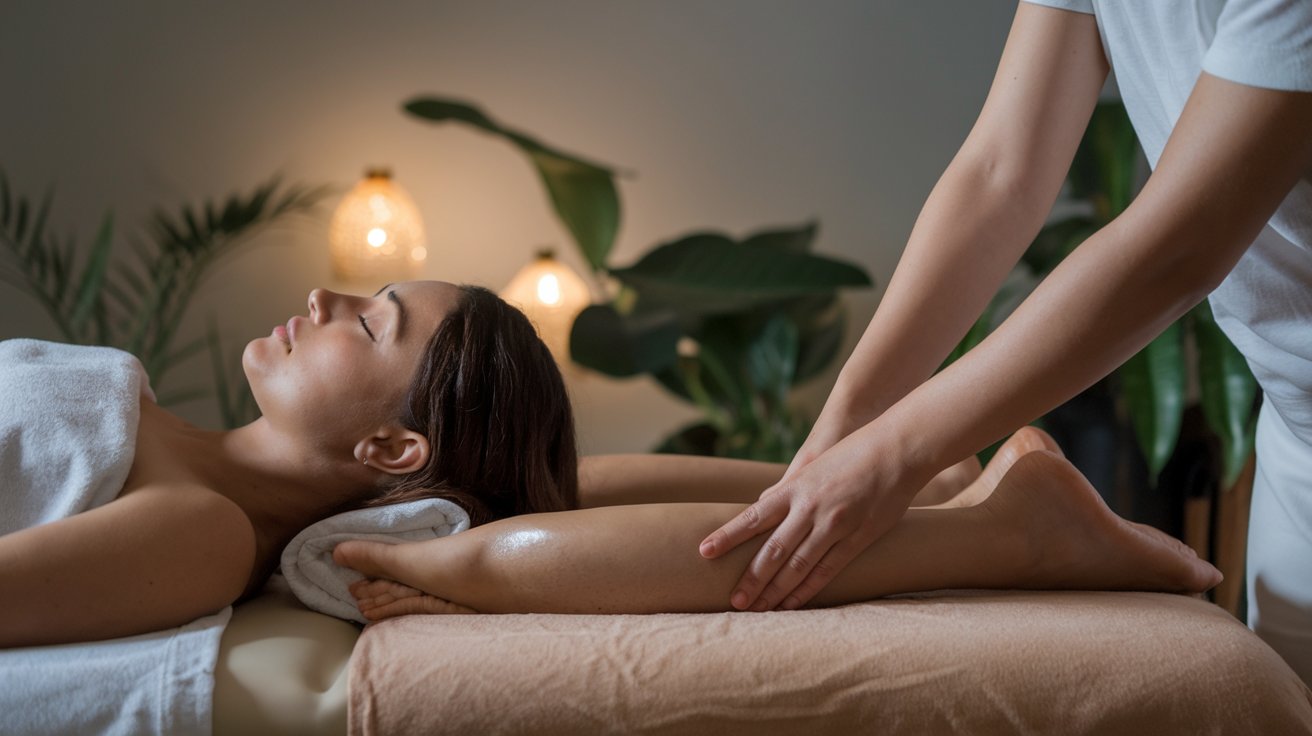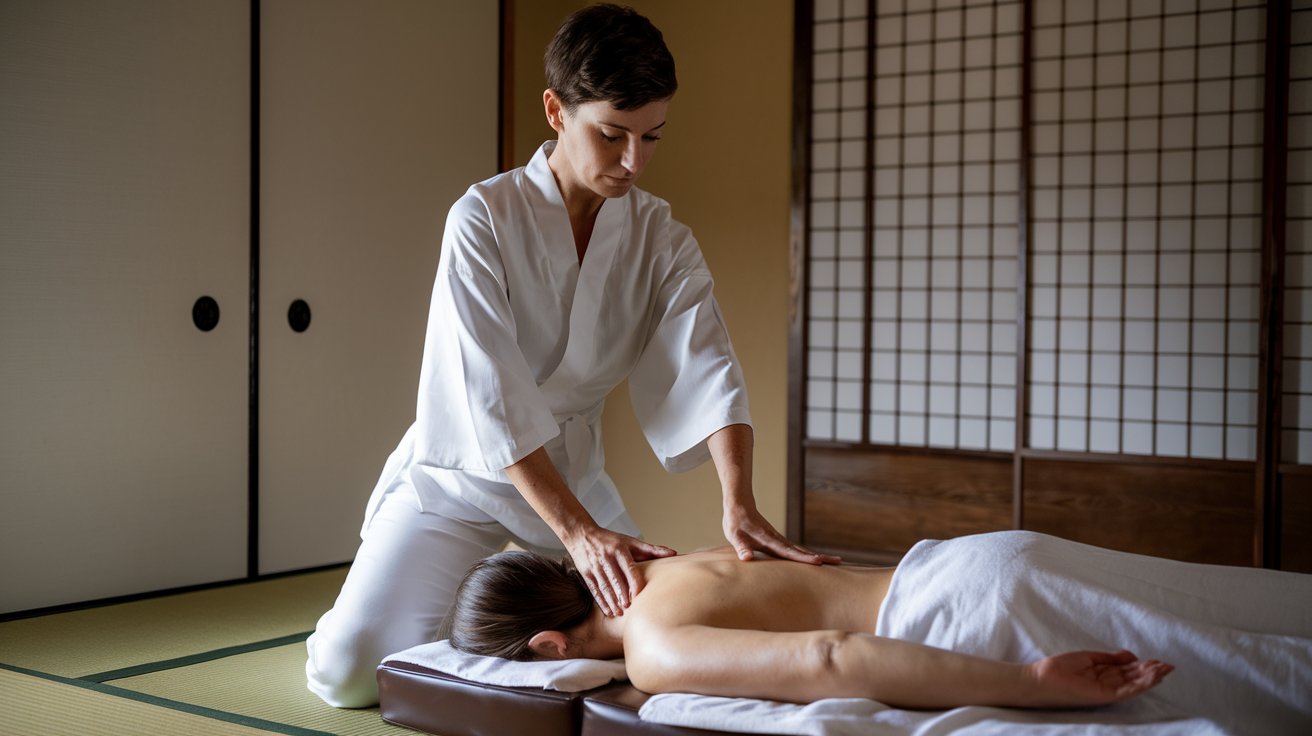
TMJ massage is a specialized therapeutic technique targeting the temporomandibular joint and surrounding muscles to relieve jaw pain, tension, and dysfunction. This manual therapy addresses the masseter, temporalis, and pterygoid muscles that control jaw movement, helping to reduce inflammation, improve range of motion, and alleviate chronic discomfort. In 2026, over 12 million Americans seek TMJ treatment annually, making this massage therapy an increasingly vital component of jaw disorder management.
Understanding TMJ and Temporomandibular Joint Dysfunction
The temporomandibular joint (TMJ) connects your jawbone to your skull, functioning as a sliding hinge on each side of your face. TMJ disorders occur when this joint becomes inflamed, misaligned, or the surrounding muscles experience excessive tension. According to 2026 data from the National Institute of Dental and Craniofacial Research, approximately 10 million Americans currently suffer from TMJ disorders, with women experiencing symptoms twice as frequently as men.
Common causes of TMJ dysfunction include teeth grinding (bruxism), jaw clenching, arthritis, jaw injuries, and chronic stress. Symptoms manifest as jaw pain, clicking or popping sounds, difficulty chewing, headaches, and ear pain. The masseter muscle, one of the strongest muscles in the human body, often becomes the primary source of discomfort when overworked. TMJ massage specifically addresses these muscular imbalances and tension patterns that contribute to ongoing pain.
How TMJ Massage Works for Pain Relief
TMJ massage therapy employs various manual techniques to release muscle tension, break up adhesions, and improve blood circulation to the jaw area. Licensed massage therapists trained in TMJ treatment apply controlled pressure to specific trigger points around the jaw, temples, neck, and face. This targeted approach helps reset muscle memory, reduce inflammation, and restore proper jaw mechanics. The therapy works by interrupting pain signals sent to the brain while promoting the release of endorphins, the body’s natural pain relievers.
Research published in the Journal of Bodywork and Movement Therapies in 2025 demonstrated that patients receiving TMJ massage experienced a 64% reduction in pain levels after just six sessions. The technique focuses on releasing myofascial restrictions in the temporalis, masseter, medial pterygoid, and lateral pterygoid muscles. By addressing both intraoral and external muscle groups, therapists can effectively reduce muscle hypertonicity and improve jaw range of motion. Most patients notice improvement within the first 2-3 sessions, with optimal results achieved through consistent treatment over 6-8 weeks.
Professional TMJ Massage Techniques
Certified TMJ massage therapists utilize specialized techniques that require extensive training in orofacial structures and jaw biomechanics. These professionals understand the delicate nature of the temporomandibular joint and apply precise pressure to avoid aggravating existing conditions. In 2026, the American Massage Therapy Association reports that over 45,000 licensed therapists in the United States have completed advanced certification in TMJ and craniosacial therapy, representing a 28% increase from 2023.
External Massage Techniques
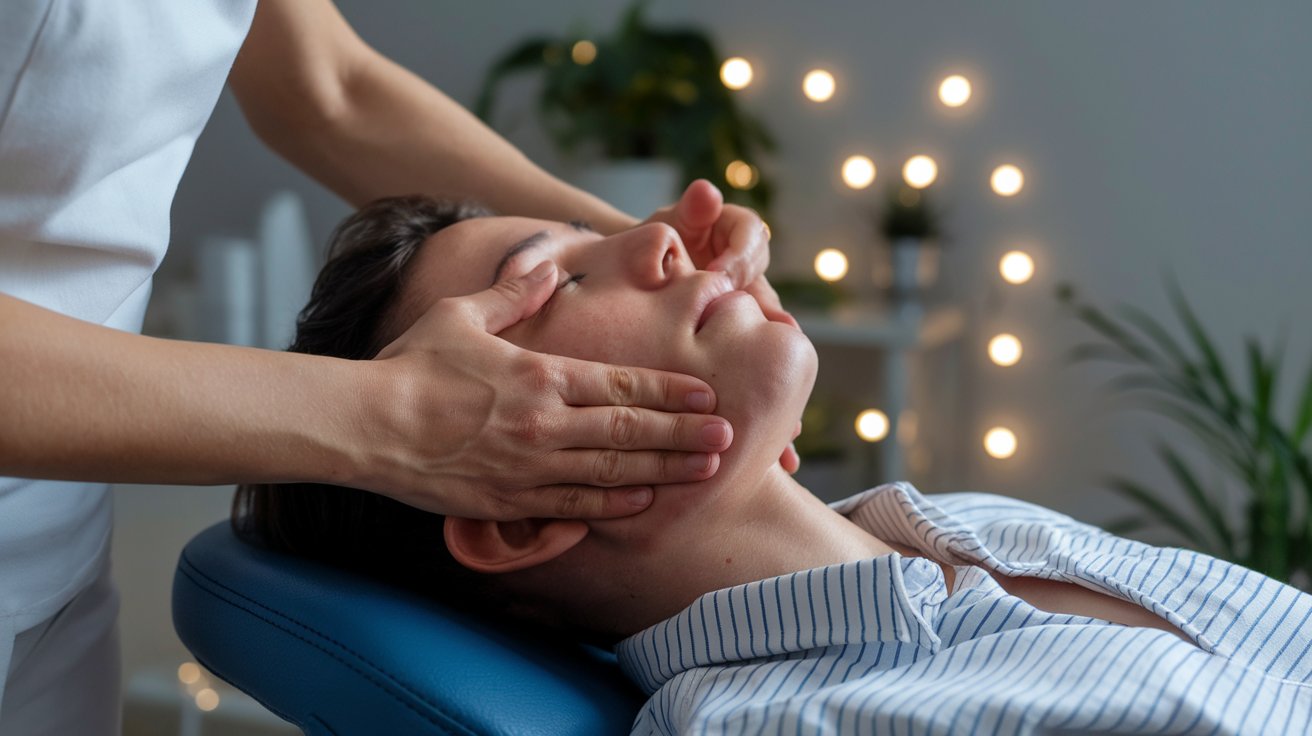
External TMJ massage involves working on muscles accessible from outside the mouth, including the masseter, temporalis, and surrounding facial muscles. Therapists use techniques such as sustained pressure, cross-fiber friction, and gentle stretching to release muscle knots and trigger points. The masseter muscle, located at the angle of the jaw, receives particular attention as it often harbors significant tension. Sessions typically include work on the neck and shoulders, as these areas contribute to jaw tension through connected fascial lines. Before and after photos from TMJ massage treatments often show visible reduction in facial tension and improved jaw symmetry.
Intraoral Massage Methods
TMJ release massage inside the mouth targets the pterygoid muscles, which are inaccessible from external approaches. Wearing sterile gloves, therapists carefully work inside the cheeks to address the medial and lateral pterygoids, muscles crucial for jaw movement and stabilization. This intraoral technique can be uncomfortable initially but provides profound relief for deep-seated tension. The American Academy of Orofacial Pain reports that intraoral massage increases jaw opening capacity by an average of 8-12 millimeters after four sessions. Patients with severe clenching habits or those who have experienced jaw trauma benefit significantly from this advanced technique.
Self-Massage Techniques for TMJ Relief at Home
Self-massage for TMJ empowers patients to manage their symptoms between professional sessions and provides immediate relief during acute pain episodes. Learning proper techniques ensures you can safely address jaw tension without causing additional strain. The key to effective self-massage lies in using gentle, consistent pressure rather than aggressive manipulation. In 2026, telehealth platforms report a 340% increase in virtual instruction sessions for TMJ self-care techniques, making this knowledge more accessible than ever.
Masseter Muscle Self-Massage
The masseter massage technique begins by locating the muscle by placing your fingers on your cheeks and clenching your teeth—the muscle that bulges is your masseter. Using your fingertips or thumbs, apply firm but comfortable pressure in small circular motions along the entire length of the muscle from the cheekbone down to the jaw angle. Spend 30-60 seconds on each side, breathing deeply to encourage relaxation. For enhanced effectiveness, perform this massage exercise 2-3 times daily, especially before bed to prevent nighttime clenching. Studies show that consistent masseter self-massage reduces daytime jaw tension by up to 47% within three weeks.
Temporalis and Temple Massage
The temporalis muscle fans across the side of your head above and behind your ears, often harboring tension that contributes to TMJ pain and headaches. Place your fingertips on your temples and use slow, circular motions with moderate pressure, gradually working toward the top of your head where the muscle extends. This technique works particularly well for individuals who experience TMJ-related headaches. Combine temple massage with gentle jaw stretching for optimal results. Many patients report that dedicating just five minutes to temporalis massage significantly reduces the frequency and intensity of tension headaches associated with jaw disorders.
Trigger Point Release Techniques
TMJ massage trigger points are hyperirritable spots within taut muscle bands that refer pain to other areas of the head, neck, and face. Common trigger points include locations in the masseter, temporalis, and the muscles along the jawline and neck. To release these points, apply sustained pressure for 10-30 seconds using your thumb or fingers until you feel the muscle relax or the pain decreases. The trigger point may feel like a small nodule or tender spot that radiates discomfort when pressed. Mapping your personal trigger points helps create an effective self-care routine. Research from the American Academy of Pain Medicine indicates that regular trigger point release reduces chronic TMJ pain severity by an average of 58% over eight weeks.
TMJ Massage Exercises for Long-Term Relief
Combining TMJ massage exercises with manual therapy enhances treatment outcomes and prevents symptom recurrence. These therapeutic movements strengthen weak muscles, improve coordination, and retrain proper jaw mechanics. Physical therapists specializing in orofacial pain design exercise protocols tailored to individual dysfunction patterns. The American Physical Therapy Association reports that patients who consistently perform prescribed jaw exercises experience 73% fewer symptom relapses compared to those receiving massage therapy alone.
A comprehensive TMJ exercise program includes gentle range-of-motion movements, resistance training, and relaxation techniques. Exercises should never cause sharp pain; mild discomfort is acceptable initially as muscles adapt to new movement patterns. Most protocols recommend performing exercises 2-3 times daily for 10-15 minutes per session. Consistency matters more than intensity—regular, gentle practice yields better long-term results than sporadic, aggressive efforts. Many patients notice measurable improvement in jaw function within 3-4 weeks of dedicated practice.
Jaw Relaxation and Tongue Positioning
Jaw relaxation exercises focus on establishing proper resting tongue position and reducing habitual clenching. The correct at-rest position involves keeping your teeth slightly apart with your tongue gently resting against the roof of your mouth behind your front teeth. Practice this position throughout the day by setting hourly reminders to check and correct your jaw posture. Combine awareness with deep breathing—inhale for four counts, hold for four, exhale for six while consciously relaxing your jaw muscles. This simple technique interrupts the stress-tension-pain cycle that perpetuates TMJ dysfunction. Behavioral modification studies show that establishing proper jaw rest position reduces unconscious clenching episodes by 69% within one month.
Resisted Mouth Opening Exercises
Resisted mouth opening strengthens the muscles responsible for jaw depression while improving neuromuscular control. Place your thumb under your chin and apply gentle upward resistance as you slowly open your mouth. Hold the opened position for 3-5 seconds, then slowly close while maintaining slight resistance. Perform 10 repetitions, 2-3 times daily. This exercise helps balance muscle strength between the powerful closing muscles (masseter and temporalis) and the weaker opening muscles. Avoid forcing the jaw open beyond a comfortable range. Research published in the Journal of Oral Rehabilitation demonstrates that resisted exercises increase maximum jaw opening by an average of 7 millimeters after six weeks of consistent practice.
Finding a Qualified TMJ Massage Therapist
Locating a skilled TMJ massage therapist near me requires verifying credentials, specialized training, and experience with orofacial pain conditions. The ideal practitioner holds state licensure as a massage therapist plus advanced certification in TMJ or craniosacral therapy from recognized institutions. Organizations such as the American Massage Therapy Association and the International Association of Orofacial Myology maintain directories of qualified practitioners. In 2026, the average cost for a TMJ massage session in the United States ranges from $85 to $150 per hour, with most treatment plans requiring 6-10 sessions for significant improvement.
When evaluating potential therapists, inquire about their specific training in TMJ treatment protocols, the number of TMJ patients they treat monthly, and their approach to coordinating care with dentists or physical therapists. Experienced practitioners should conduct thorough assessments including posture evaluation, range of motion testing, and palpation of jaw muscles before beginning treatment. Many qualified therapists offer free 15-minute consultations to discuss your condition and treatment approach. Patient reviews focusing on TMJ massage before and after results provide valuable insight into therapist effectiveness. Insurance coverage for TMJ massage varies; approximately 42% of health plans in the United States now include some coverage for therapeutic massage when prescribed by a physician.
What to Expect During a TMJ Massage Session
A typical TMJ massage session lasts 60-90 minutes, though some practitioners offer focused 30-minute appointments for maintenance care. Your first visit includes a comprehensive intake interview covering symptoms, medical history, dental treatments, and lifestyle factors contributing to jaw tension. The therapist will assess your jaw mechanics, muscle tenderness, and range of motion through various tests. Understanding how long a TMJ massage lasts in terms of session duration versus therapeutic effects helps set realistic expectations—while the appointment itself is 60-90 minutes, relief typically builds progressively over multiple sessions.
During treatment, you’ll typically lie face-up on a massage table while the therapist works on facial, jaw, neck, and shoulder muscles. Communication remains essential throughout the session; inform your therapist immediately if pressure feels too intense or if you experience sharp pain. Many practitioners use a pain scale from 0-10, aiming to work within your 4-6 range—enough pressure to be therapeutic without causing excessive discomfort. TMJ massage techniques may include sustained pressure, gentle stretching, myofascial release, and trigger point therapy. Some sessions incorporate heat therapy, cold packs, or electrical stimulation to enhance muscle relaxation. Post-session soreness is normal and typically resolves within 24-48 hours. Most patients report feeling immediate relief in jaw tension, with cumulative benefits increasing across subsequent appointments.
Preparation and Safety Considerations
Proper preparation maximizes TMJ massage effectiveness and ensures safety throughout treatment. Before your first session, compile a list of current medications, supplements, and any dental appliances you use such as night guards or retainers. Avoid heavy meals within two hours of your appointment, as intraoral work may trigger a gag reflex on a full stomach. If you experience high anxiety about facial or intraoral work, discuss this concern with your therapist beforehand—they can modify techniques or proceed more gradually. The relationship between high cortisol levels and TMJ dysfunction is well-established; chronic stress elevates cortisol, increasing muscle tension and pain sensitivity.
Massage therapy effectively reduces cortisol levels while increasing serotonin and dopamine, making it particularly beneficial for stress-related TMJ disorders. A 2025 study from the Mayo Clinic found that patients receiving regular massage showed a 31% decrease in salivary cortisol levels compared to control groups. However, certain conditions contraindicate TMJ massage, including acute jaw fractures, severe osteoarthritis, active dental infections, or recent oral surgery. Individuals with rheumatoid arthritis affecting the TMJ should consult their rheumatologist before beginning massage therapy. Pregnant women can safely receive TMJ massage with appropriate positioning modifications. Always inform your therapist about any changes in symptoms or new health conditions between appointments to ensure continued safe and effective treatment.
Diagnostic Tests and TMJ Assessment
Comprehensive TMJ assessment often includes specific diagnostic tests to evaluate joint function and muscle involvement. The widely-recognized 3 finger test for TMJ measures maximum mouth opening by stacking three fingers vertically between the front teeth—a normal opening accommodates three fingers comfortably, while restricted opening (less than 35-40mm) suggests TMJ dysfunction. This simple test provides baseline data and tracks improvement throughout treatment. Healthcare providers also perform lateral deviation tests, asking patients to move their jaw side-to-side to assess symmetry and range of motion.
Additional assessment tools include palpation of the TMJ itself while the patient opens and closes their mouth, listening for clicking, popping, or crepitus sounds that indicate internal joint derangement. Muscle palpation identifies tender points, trigger points, and areas of hypertonicity in the masseter, temporalis, and pterygoid muscles. Advanced imaging such as MRI or CT scans may be ordered when conservative treatments fail or when structural abnormalities are suspected. Understanding what TMJ stands for—temporomandibular joint—helps patients better comprehend their diagnosis and treatment rationale. The temporomandibular joint is actually a bilateral structure, meaning problems can affect one or both sides. In 2026, diagnostic protocols increasingly incorporate functional movement assessments and postural analysis, recognizing that TMJ disorders rarely exist in isolation from neck, shoulder, and upper back dysfunction.
Integrating TMJ Massage with Comprehensive Treatment
TMJ massage achieves optimal results when integrated into a multidisciplinary treatment approach. Dentists, physical therapists, massage therapists, and sometimes psychologists collaborate to address all contributing factors. Dental interventions may include custom night guards to prevent teeth grinding, orthodontic adjustments to correct bite misalignment, or occlusal equilibration to balance tooth contacts. Physical therapy focuses on posture correction, neck stabilization exercises, and joint mobilization techniques that complement the soft tissue work provided through massage.
Stress management remains crucial for long-term TMJ relief, as psychological stress directly increases jaw muscle tension. Cognitive behavioral therapy helps patients identify and modify stress responses, while mindfulness meditation reduces overall muscle tension. Nutritional support includes anti-inflammatory diets rich in omega-3 fatty acids, which support joint health and reduce systemic inflammation. Some practitioners recommend supplements such as magnesium for muscle relaxation or glucosamine for joint support, though evidence for these remains mixed. The best massage for TMJ combines multiple modalities—Swedish massage for relaxation, deep tissue work for chronic tension, trigger point therapy for specific pain points, and myofascial release for fascial restrictions. Treatment plans should evolve based on your progress; what works in the acute phase may differ from maintenance care strategies. Studies show that patients receiving integrated care experience 82% greater improvement compared to single-modality treatment approaches.
Lifestyle Modifications to Support TMJ Recovery
Successful TMJ management extends beyond treatment sessions to encompass daily habits and lifestyle modifications. Avoid hard, chewy, or tough foods that strain jaw muscles—opt for softer foods during acute pain episodes and cut food into smaller pieces to minimize chewing effort. Practice bilateral chewing, alternating sides rather than favoring one side, which prevents muscle imbalances. Limit wide jaw opening activities such as yawning, singing loudly, or yelling. When yawning, support your jaw by placing your fist under your chin to restrict excessive opening. These simple modifications significantly reduce daily stress on the temporomandibular joint.
Ergonomic adjustments prevent postural strain that contributes to jaw tension. Position computer screens at eye level to avoid forward head posture, which increases strain on neck and jaw muscles. During phone calls, use speakerphone or headphones rather than cradling the phone between your shoulder and ear. Sleep position matters tremendously—back sleeping with proper pillow support maintains neutral spine and jaw alignment, while stomach sleeping forces neck rotation that strains TMJ structures. In 2026, specialized cervical pillows designed for TMJ patients have gained popularity, providing optimal neck support while reducing jaw compression. Avoid habits like pen chewing, nail biting, or gum chewing that overwork jaw muscles. Set environmental reminders to check your jaw position throughout the day—apps and smartwatch alerts can prompt periodic relaxation checks. These cumulative lifestyle adjustments, combined with regular TMJ massage exercises and professional treatment, create the foundation for lasting symptom relief and improved jaw function.
Related video about what is tmj massage
This video complements the article information with a practical visual demonstration.
What you should know
What is the 3 finger test for TMJ?
The 3 finger test for TMJ measures jaw opening capacity by vertically stacking three fingers between your upper and lower front teeth. A normal, healthy jaw opening accommodates three fingers comfortably, representing approximately 35-40 millimeters of opening. If you cannot fit three fingers without pain or restriction, this suggests TMJ dysfunction or muscle tightness. This simple diagnostic tool helps healthcare providers assess severity and track improvement throughout treatment. The test should be performed gently without forcing the jaw open, as aggressive testing can aggravate existing conditions.
What does TMJ stand for?
TMJ stands for temporomandibular joint, the hinge-like joint connecting your lower jaw (mandible) to the temporal bone of your skull, located just in front of each ear. This bilateral joint allows complex movements including opening, closing, and side-to-side motion necessary for speaking, chewing, and yawning. The term TMJ is often used colloquially to refer to temporomandibular disorders (TMD), which encompasses various conditions affecting the joint and surrounding muscles. The temporomandibular joint is one of the most frequently used joints in the body, making it susceptible to overuse, stress-related tension, and degenerative changes over time.
What massage is good for high cortisol levels?
Swedish massage and deep tissue massage are particularly effective for reducing high cortisol levels, the stress hormone that contributes to muscle tension and TMJ dysfunction. Research shows that regular massage therapy decreases cortisol by an average of 31% while simultaneously increasing serotonin and dopamine, neurotransmitters that promote relaxation and well-being. For TMJ patients specifically, combining general relaxation massage with targeted jaw work addresses both the systemic stress response and localized muscle tension. Sessions lasting 60-90 minutes provide optimal hormonal benefits. Consistency matters—weekly massage therapy produces more significant cortisol reduction than sporadic treatments, making regular sessions an important component of stress management for chronic TMJ conditions.
How long does a TMJ massage last?
A TMJ massage session typically lasts 60-90 minutes, though some practitioners offer focused 30-minute appointments for maintenance care between comprehensive treatments. The therapeutic effects of massage extend well beyond the session itself—immediate relief often lasts 2-4 days, with cumulative benefits building across multiple appointments. Most treatment plans require 6-10 sessions over 6-8 weeks for significant, lasting improvement. Initial sessions focus on releasing acute tension and identifying primary trigger points, while subsequent appointments address deeper restrictions and retrain muscle patterns. Maintenance sessions every 3-4 weeks help sustain improvements and prevent symptom recurrence. Individual response varies based on condition severity, contributing factors, and adherence to home care exercises between professional treatments.
Can I perform TMJ massage on myself at home?
Self-massage for TMJ is safe and effective when performed correctly using gentle, controlled techniques. Focus on external muscles including the masseter, temporalis, and jaw muscles using fingertips or thumbs in small circular motions. Apply firm but comfortable pressure for 30-60 seconds per area, 2-3 times daily. While external self-massage is appropriate for home care, intraoral techniques targeting internal pterygoid muscles should only be performed by trained professionals to avoid injury. Combine self-massage with jaw relaxation exercises, proper posture, and stress management for optimal results. If symptoms worsen or you experience sharp pain during self-massage, discontinue the technique and consult a healthcare provider. Self-care complements but does not replace professional treatment for moderate to severe TMJ disorders.
What are TMJ trigger points and how are they treated?
TMJ trigger points are hyperirritable nodules within taut muscle bands that cause localized pain and refer discomfort to other areas of the head, face, and neck. Common locations include the masseter muscle (referring to teeth and ear), temporalis muscle (causing temple and forehead pain), and pterygoid muscles (referring to the TMJ itself). Trigger points develop from chronic muscle overuse, trauma, or sustained contraction patterns. Treatment involves sustained pressure applied directly to the point for 10-30 seconds until the muscle releases, combined with gentle stretching and heat therapy. Professional therapists use specialized techniques including ischemic compression and spray-and-stretch methods. Regular trigger point release reduces chronic TMJ pain severity by up to 58% over eight weeks according to pain management research. Identifying your personal trigger point map allows for effective self-care between professional sessions.
| Treatment Aspect | Key Details | Expected Benefits |
|---|---|---|
| Professional TMJ Massage | 60-90 minute sessions, 6-10 treatments over 6-8 weeks, costs $85-150 per session in 2026 | 64% pain reduction, improved jaw opening by 8-12mm, long-term symptom management |
| Self-Massage Techniques | Masseter and temporalis massage 2-3 times daily, 5-10 minutes per session | 47% reduction in daytime tension, immediate relief during acute episodes, cost-free maintenance |
| Trigger Point Therapy | Sustained pressure 10-30 seconds per point, targeting masseter, temporalis, pterygoids | 58% decrease in chronic pain over 8 weeks, reduced referred pain patterns |
| TMJ Exercises | Resistance training and stretching 2-3 times daily, 10-15 minutes per session | 73% fewer symptom relapses, 7mm increased jaw opening, improved muscle coordination |
| Integrated Treatment | Combines massage, physical therapy, dental care, and stress management | 82% greater improvement versus single modality, addresses root causes, sustainable long-term relief |
| Cortisol Reduction | Regular massage therapy decreases stress hormone by 31% on average | Reduced muscle tension, improved pain tolerance, better stress management, enhanced sleep quality |