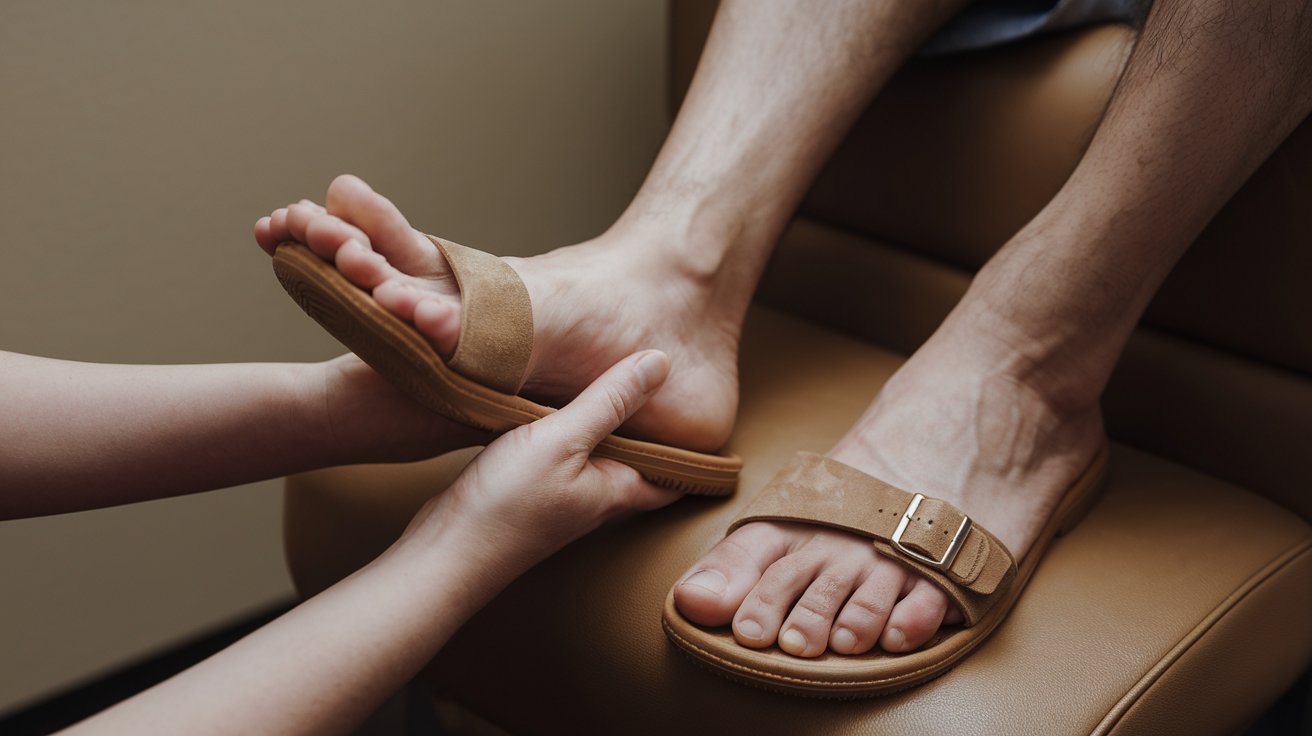
Learning how to massage feet effectively can provide significant relief from pain, reduce stress, and improve circulation throughout the body. Whether you want to massage feet for relaxation or target specific conditions like plantar fasciitis, proper technique makes all the difference. This comprehensive guide covers professional methods, pressure point locations, and safety considerations to help you deliver therapeutic foot massages at home. Approximately 77% of Americans experience foot pain regularly in 2026, making these skills increasingly valuable.
Essential Preparation Before You Massage Feet
Before beginning any foot massage session, proper preparation ensures both safety and effectiveness. Create a comfortable environment with adequate lighting and a supportive chair or bed where the person receiving the massage can relax completely. Gather your supplies including massage oil or lotion, clean towels, and a basin of warm water if desired. The ideal room temperature should be between 72-76°F to keep muscles relaxed without causing discomfort.
Washing your hands thoroughly and ensuring the feet are clean prevents infection and creates a more pleasant experience. If someone has open wounds, severe swelling, or unexplained pain in their feet, they should consult a healthcare provider before receiving massage. For people with diabetes or circulatory conditions, gentle pressure is essential as these individuals may have reduced sensation and increased injury risk. In 2026, healthcare professionals recommend checking with a doctor if you have neuropathy or fibromyalgia before beginning regular foot massage routines.
Basic Hand Techniques for Foot Massage
Mastering fundamental hand techniques forms the foundation for effective foot massage. The heel-of-hand method involves using the base of your palm to apply broad, warming strokes across the sole of the foot, moving from heel to toes with moderate pressure. This technique helps relax superficial muscles and prepares the foot for deeper work. Apply consistent pressure of approximately 5-7 pounds, which you can practice by pressing on a kitchen scale until you develop the proper feel.
Your thumbs provide precise control for targeting specific areas and knots in the foot muscles. Position your thumbs on the sole while your fingers support the top of the foot, then use small circular motions or gliding strokes along the arch. Alternating between broad palm strokes and focused thumb work creates a comprehensive massage that addresses both large muscle groups and specific tension points. According to 2026 massage therapy standards, spending 10-15 minutes per foot delivers optimal therapeutic benefits for relaxation and pain relief.
Step-by-Step Foot Massage Techniques
Following a systematic approach ensures you massage every part of the foot effectively and provide comprehensive relief. These professional techniques address different foot structures and common problem areas.
Heel-of-Hand Massage Method
The heel-of-hand massage works exceptionally well for warming up foot muscles and improving circulation. Hold the foot securely with one hand while using the heel of your other hand to make long, gliding strokes from the heel toward the toes. Apply firm but comfortable pressure, using your body weight rather than just arm strength to avoid fatigue. Repeat these strokes 8-10 times on the sole, then perform similar movements on the top of the foot with lighter pressure since tissues are more delicate there. This technique particularly helps people who spend long hours standing, as it addresses the general muscle fatigue that accumulates throughout the day.
Thumb Push and Pull Techniques
Thumb pushes involve placing both thumbs side-by-side on the sole and pushing them outward in opposite directions, creating a spreading motion that releases tension in the plantar fascia. Start at the heel and work toward the ball of the foot, repeating this movement every half-inch along the sole. For thumb pulls, position your thumbs at the center of the sole and pull them apart toward the edges of the foot, which helps relax the intrinsic foot muscles. Each movement should be slow and deliberate, taking 2-3 seconds per stroke. These techniques prove especially beneficial for people with plantar fasciitis, as they directly address the connective tissue that becomes inflamed in this common condition affecting over 2 million Americans annually in 2026.
Toe Flexing and Individual Toe Massage
Adding toe flexes to your massage routine improves joint mobility and releases tension in the smaller foot muscles. Gently grasp each toe individually between your thumb and forefinger, then slowly flex it forward and backward through its natural range of motion. Perform 3-5 flexes per toe, never forcing movement beyond what feels comfortable. After flexing, massage each toe by rolling it gently between your fingers, paying attention to the base where the toe connects to the foot. This area accumulates significant tension, especially in people who wear tight or narrow shoes. The American Podiatric Medical Association reports in 2026 that toe mobility exercises combined with massage can help prevent conditions like hammertoes and bunions when performed regularly.
Pressure Points for Therapeutic Foot Massage
Understanding foot massage pressure points allows you to target specific areas that correspond to different body systems and provide enhanced therapeutic benefits. Reflexology maps identify zones on the feet that practitioners believe connect to various organs and systems, though scientific evidence remains mixed regarding these specific connections. However, applying pressure to certain foot areas consistently produces relaxation and pain relief regardless of the theoretical mechanism.
The solar plexus point, located in the center of the arch just below the ball of the foot, responds well to gentle circular pressure and helps promote deep relaxation and stress relief. Press this point with your thumb using medium pressure for 5-10 seconds, release, and repeat 3-4 times. The heel contains points associated with lower back relief, making it valuable for people experiencing lumbar discomfort. Use your knuckles or the heel of your hand to apply firm, circular pressure around the heel pad, spending extra time on tender areas. For female foot massage, some practitioners focus on points believed to support hormonal balance, located along the inner foot near the ankle and the outer foot near the heel, though individual responses vary significantly.
How to Massage Feet to Relieve Specific Pain
Different foot conditions require targeted massage approaches for optimal pain relief and recovery support. Adapting your technique to address specific problems increases effectiveness and prevents aggravating existing issues.
Plantar Fasciitis Relief Techniques
Plantar fasciitis causes sharp heel pain that affects approximately 10% of the US population at some point in their lives, according to 2026 podiatric data. To massage feet with plantar fasciitis, focus on the thick band of tissue running from the heel to the toes along the bottom of the foot. Use your thumbs to apply slow, deep strokes along this fascia, moving from the heel toward the arch. Cross-fiber friction, where you massage perpendicular to the fascia fibers using small back-and-forth motions, helps break up adhesions and improve tissue flexibility. Spend 3-5 minutes on this area, but stop immediately if pain increases beyond mild discomfort. Combining massage with ice application after the session reduces inflammation effectively, particularly when performed in the evening after daily activities.
Addressing Neuropathy and Nerve Pain
People with peripheral neuropathy require modified massage approaches since they may have reduced sensation and increased vulnerability to injury. Use lighter pressure than standard massage and frequently check in about comfort levels, as the person may not feel pain signals that would normally indicate excessive pressure. Focus on gentle circular motions and broad strokes rather than deep tissue work. Studies from 2026 suggest that regular gentle foot massage may help improve circulation in people with diabetic neuropathy, potentially reducing symptoms over time. However, individuals with neuropathy should always consult their healthcare provider before beginning any massage routine, as certain conditions may contraindicate manual therapy. The combination of reduced sensation and potential circulatory issues means that even well-intentioned massage could cause unnoticed injury if not performed carefully.
General Muscle Tension and Fatigue
For everyday muscle tension and tired feet, a comprehensive routine that addresses all foot structures provides the best results. Begin with warming strokes using your palms, then systematically work through the heel, arch, ball of the foot, and toes using a combination of thumb pressure and kneading motions. Pay special attention to the arch, where the intrinsic foot muscles often accumulate significant tension from supporting body weight throughout the day. The ball of the foot also requires thorough work, especially in people who wear high heels or shoes with minimal cushioning. Knead this area using your thumbs or knuckles with moderate pressure, making small circular motions that address the metatarsal heads and surrounding muscles. A complete session for general foot fatigue should last 15-20 minutes per foot and can be performed 2-3 times weekly for maintenance or daily during periods of increased activity.
Tools and Equipment for Foot Massage
While hands remain the primary tool for effective massage, various devices and accessories can enhance your foot massage practice and provide self-massage options. Understanding when and how to use these tools expands your therapeutic capabilities.
How to Massage Feet with a Ball
Using a tennis ball or specialized massage ball provides an excellent self-massage option that allows you to control pressure precisely. Sit in a chair and place the ball under your foot, then roll it slowly from heel to toes, applying as much pressure as comfortable by adjusting your body weight. Focus on areas that feel tender or tight, spending 1-2 minutes per region. A lacrosse ball offers firmer pressure than a tennis ball, making it suitable for people with higher pain tolerance or very tight muscles. Golf balls provide the firmest option but should be used cautiously to avoid bruising. For plantar fasciitis or arch pain, rolling a frozen water bottle under your foot combines massage with ice therapy, reducing inflammation while releasing muscle tension. This technique proves particularly effective when performed first thing in the morning and again in the evening, with each session lasting 5-10 minutes per foot.
Manual Massage Tools and Their Applications
Wooden foot rollers with ridged or nodular surfaces allow you to massage your own feet while sitting and can address multiple reflex points simultaneously. These tools work well for general relaxation and maintaining foot health between professional treatments. Trigger point tools with specialized shapes help you reach specific areas with precision, particularly useful for targeting the heel and arch regions that can be difficult to access with fingers alone. Electric foot massagers have become increasingly sophisticated in 2026, with models offering heat therapy, variable pressure settings, and programs designed for specific conditions. However, these devices cannot fully replace the adaptive touch and feedback that manual massage provides, particularly for therapeutic work addressing specific pain or dysfunction. Many massage therapists recommend using electric massagers for daily maintenance while receiving manual therapy for addressing particular problems or achieving deeper relaxation.
How to Give a Foot Massage for Relaxation
When the primary goal is relaxation rather than pain relief, your approach should emphasize comfort, rhythm, and creating a calming environment. Relaxation massage uses generally lighter pressure than therapeutic work and focuses on smooth, flowing movements that promote stress reduction and mental quieting.
Begin by having the person sit or recline comfortably with their feet accessible at a height that allows you to work without straining your back or shoulders. Use warming massage oil with calming scents like lavender or chamomile, warming it between your hands before application. Start with gentle effleurage strokes using your palms to cover the entire foot in long, gliding movements, establishing a slow, rhythmic pace that encourages relaxation. Maintain consistent contact with the foot throughout the massage, as breaking contact can be jarring and disrupt the relaxation response. Work systematically through each foot area using smooth transitions between techniques, spending approximately 15-20 minutes per foot. For couples or partners, learning to give relaxing foot massages creates opportunities for connection and care, with studies in 2026 showing that regular partner massage correlates with increased relationship satisfaction and reduced individual stress levels.
Integrating Calf Massage with Foot Work
The muscles of the lower leg directly affect foot function and comfort, making calf massage an essential complement to comprehensive foot care. The gastrocnemius and soleus muscles in the calf connect to the Achilles tendon, which attaches to the heel, creating a continuous chain of tissues that influence foot mechanics and pain patterns.
To massage the calf effectively, support the leg with one hand while using your other hand to perform long gliding strokes from the ankle toward the knee, following the direction of venous blood flow back to the heart. Use moderate pressure with your palm and fingers, making 8-10 complete strokes to warm the tissues. Then employ petrissage, a kneading technique where you gently grasp and lift the calf muscle, working systematically from the Achilles tendon up to the back of the knee. Spend 5-7 minutes on each calf, paying extra attention to areas of tightness or tenderness. People who exercise regularly, wear high heels frequently, or stand for long periods typically have particularly tight calf muscles that contribute to foot pain and dysfunction. Combining calf massage with foot work addresses the complete lower leg unit, producing superior results compared to foot massage alone, particularly for conditions like plantar fasciitis and Achilles tendinopathy.
Special Considerations for Different Recipients
Adapting your foot massage approach based on the recipient’s characteristics, health status, and specific needs ensures safety and maximizes therapeutic benefit. Different populations require modified techniques and precautions.
Foot Massage for Women During Pregnancy
Pregnant women often experience significant foot swelling and discomfort, particularly in the second and third trimesters as increased body weight and fluid retention affect the lower extremities. Gentle foot massage can provide relief, but certain precautions are essential. Avoid deep pressure on specific points, particularly around the ankles and the webbing between the thumb and index finger, which some practitioners believe may stimulate uterine contractions, though scientific evidence is limited. Focus on light to moderate pressure using broad, soothing strokes that encourage fluid drainage and muscle relaxation. Elevating the feet during massage enhances circulation and reduces swelling more effectively. Women in their first trimester or those with high-risk pregnancies should consult their healthcare provider before receiving massage. In 2026, certified prenatal massage therapists recommend sessions of 10-15 minutes per foot, performed 2-3 times weekly to manage pregnancy-related foot discomfort safely.
Adapting Techniques for Elderly Recipients
Older adults often have thinner skin, more fragile blood vessels, and conditions like osteoporosis or arthritis that require modified massage approaches. Use lighter pressure than you would with younger adults and increase pressure gradually while monitoring for discomfort or skin reactions. The skin of elderly individuals bruises more easily, so avoid deep friction techniques or prolonged pressure on bony prominences. Many older adults take blood-thinning medications that further increase bruising risk, making gentle techniques particularly important. Focus on improving circulation and maintaining mobility through smooth, warming strokes and gentle range-of-motion movements for the ankle and toes. Check with the person’s physician about any specific contraindications related to their medical conditions or medications. Regular gentle foot massage helps older adults maintain foot health, reduces fall risk by improving proprioception and balance, and provides valuable touch-based social connection that many elderly individuals lack.
Considerations for Athletes and Active Individuals
People who engage in regular athletic activities often develop specific patterns of foot tension and may benefit from more vigorous massage techniques. Runners frequently experience tightness in the plantar fascia and calf muscles, making deep work on these areas particularly valuable. Athletes typically tolerate firmer pressure than sedentary individuals, though you should still work gradually and communicate about comfort levels. Post-exercise massage performed within 2-3 hours after activity can reduce muscle soreness and accelerate recovery, while pre-event massage should be lighter and more warming to avoid reducing muscle activation. For athletes preparing for competition, sports massage specialists in 2026 recommend avoiding deep therapeutic work in the 48 hours before an event, as tissue disruption may temporarily reduce performance. Instead, use light to moderate pressure focused on maintaining mobility and circulation without creating the microtrauma that deeper techniques can produce.
When to Seek Professional Massage Therapy
While home foot massage provides significant benefits, certain situations warrant consultation with licensed massage therapists or healthcare providers who possess advanced training and diagnostic capabilities. Persistent foot pain that lasts more than two weeks despite self-care, severe swelling, numbness or tingling, or pain that worsens with massage all indicate the need for professional evaluation. These symptoms may signal conditions requiring medical treatment beyond massage’s scope of practice.
Licensed massage therapists (LMTs) complete extensive training, typically 500-1000 hours depending on state requirements in 2026, learning anatomy, pathology, and contraindications that enable them to work safely with diverse populations and conditions. They can perform deeper therapeutic techniques and address chronic pain patterns more effectively than most people can achieve at home. Physical therapists bring additional diagnostic skills and can integrate massage with exercise therapy and other modalities for comprehensive treatment of foot and ankle conditions. For people with fibromyalgia, chronic pain syndromes, or complex medical histories, professional massage provides both safety and superior results. The American Massage Therapy Association reports that combining professional treatment sessions every 2-4 weeks with regular self-massage at home produces optimal long-term outcomes for managing chronic foot pain and maintaining foot health.
Creating a Regular Foot Massage Routine
Establishing a consistent foot massage practice delivers cumulative benefits that exceed occasional sessions, helping prevent problems before they develop and maintaining optimal foot health throughout life. Building massage into your regular self-care routine requires minimal time investment while providing substantial returns in comfort, mobility, and overall wellbeing.
For general foot health maintenance, performing self-massage 3-4 times weekly for 10-15 minutes per foot provides excellent results without requiring excessive time commitment. Evening sessions work particularly well, as they address accumulated daily tension and promote relaxation before sleep. Many people find that incorporating foot massage into their bedtime routine improves sleep quality, with 2026 research indicating that foot massage activates the parasympathetic nervous system and increases delta wave brain activity associated with deep sleep. Those managing specific conditions like plantar fasciitis or chronic foot pain may benefit from daily sessions, particularly when symptoms are active. Consistency matters more than session length, with brief daily massage producing superior results compared to longer but infrequent sessions. Pairing massage with other foot care practices like proper footwear selection, regular stretching, and maintaining healthy body weight creates a comprehensive approach to foot health that prevents many common problems and preserves mobility as you age.
Related video about how to massage feet
This video complements the article information with a practical visual demonstration.
Questions & Answers
How do you properly massage your feet?
To properly massage your feet, start by washing them and applying massage oil or lotion. Use your palms to make warming strokes from heel to toes, then employ your thumbs to apply targeted pressure along the arch, heel, and ball of the foot. Work systematically through each area using circular motions and gliding strokes, spending 10-15 minutes per foot. Apply moderate pressure of about 5-7 pounds, adjusting based on comfort. Include the toes by gently flexing each one and massaging between them. For best results, maintain consistent contact with the foot, work slowly and deliberately, and finish with soothing effleurage strokes to promote relaxation.
Should someone with fibromyalgia get a massage?
People with fibromyalgia can benefit from massage, but they require a modified approach with lighter pressure than standard techniques. Fibromyalgia causes widespread pain and heightened sensitivity, making deep tissue work potentially uncomfortable or counterproductive. Gentle, slow massage using light to moderate pressure can reduce pain, improve sleep quality, and decrease anxiety without triggering symptom flares. Research in 2026 suggests that regular gentle massage may help manage fibromyalgia symptoms when combined with other treatments. However, individuals with fibromyalgia should consult their healthcare provider before beginning massage therapy and work with a licensed massage therapist experienced in treating chronic pain conditions to ensure safety and effectiveness.
Where to press for foot massage?
Key areas to press during foot massage include the arch, which responds well to thumb pressure along its entire length, and the heel pad, where you can use your knuckles or palm heel with firm circular motions. The ball of the foot beneath the toes accumulates significant tension and benefits from kneading with your thumbs. The solar plexus point in the center of the arch just below the ball promotes relaxation when pressed with medium pressure. The webbing between toes releases tension when gently squeezed and massaged. Along the sides of the foot, pressing the areas just below and in front of the ankle bones addresses reflex points associated with various body systems. Always start with lighter pressure and increase gradually based on the recipient’s comfort level.
Do foot massages help neuropathy?
Foot massages may help people with neuropathy by improving circulation, reducing pain perception, and providing sensory stimulation that can partially compensate for reduced sensation. Studies from 2026 indicate that regular gentle foot massage in people with diabetic neuropathy may improve symptoms and quality of life when performed correctly. However, people with neuropathy must use caution because reduced sensation means they may not feel pain that would normally signal excessive pressure or injury. Only light to moderate pressure should be used, and individuals with neuropathy should consult their healthcare provider before beginning massage therapy. Working with a licensed massage therapist experienced in treating neuropathy ensures proper technique and safety, maximizing potential benefits while minimizing risks.
How often should you massage your feet?
For general foot health and relaxation, massaging your feet 3-4 times per week for 10-15 minutes per foot provides excellent maintenance benefits. People managing specific conditions like plantar fasciitis, chronic pain, or high activity levels may benefit from daily sessions, particularly during symptom flares or periods of increased physical demand. Athletes often incorporate foot massage into their regular recovery routines, performing it after workouts or competitions. Brief daily self-massage of 5-10 minutes per foot produces better long-term results than longer but infrequent sessions because consistency allows cumulative benefits to develop. Listen to your body and adjust frequency based on your needs, comfort level, and response to treatment.
Can you massage your own feet effectively?
You can effectively massage your own feet using proper techniques and tools, though reaching certain areas may be challenging depending on your flexibility. Self-massage works particularly well when using tennis balls, massage balls, or foot rollers that allow you to apply pressure without straining. Sit in a comfortable chair and use your hands to massage accessible areas like the toes, top of the foot, and sides, while using tools for the sole and heel where direct hand access is limited. Self-massage provides the advantage of immediate feedback about pressure and comfort, allowing you to adjust technique instantly. While professional massage offers deeper work and complete relaxation, regular self-massage between professional sessions maintains foot health effectively and costs nothing beyond initial tool investment.
| Massage Technique | Primary Benefit | Best For | Duration |
|---|---|---|---|
| Heel-of-Hand Strokes | Warming muscles and improving circulation | Beginning sessions and general relaxation | 2-3 minutes |
| Thumb Push/Pull | Releasing plantar fascia tension | Plantar fasciitis and arch pain | 3-5 minutes |
| Pressure Point Work | Targeting specific pain and stress relief | Chronic tension and systemic relaxation | 5-7 minutes |
| Ball Rolling | Self-massage and myofascial release | Daily maintenance and post-exercise | 5-10 minutes |
| Toe Flexing | Improving joint mobility | Preventing toe deformities | 2-3 minutes |
| Calf Integration | Addressing connected tissue chains | Comprehensive lower leg treatment | 5-7 minutes |