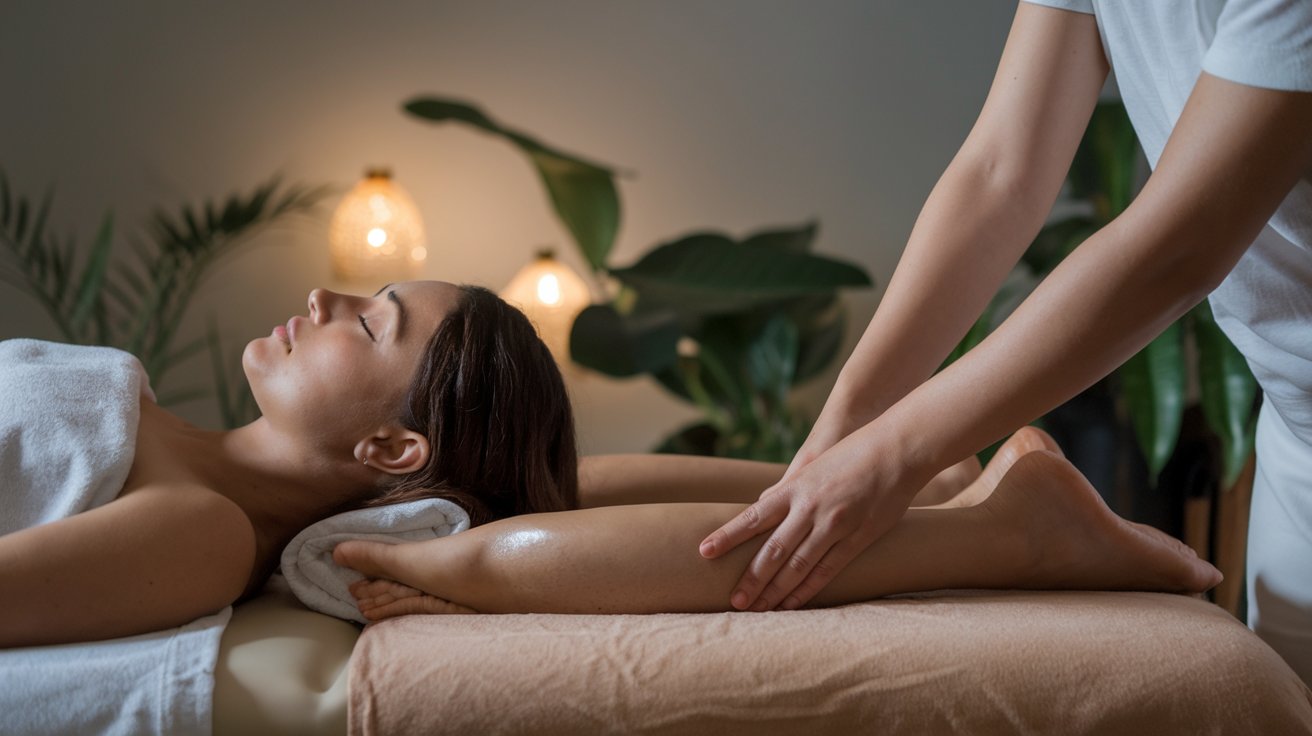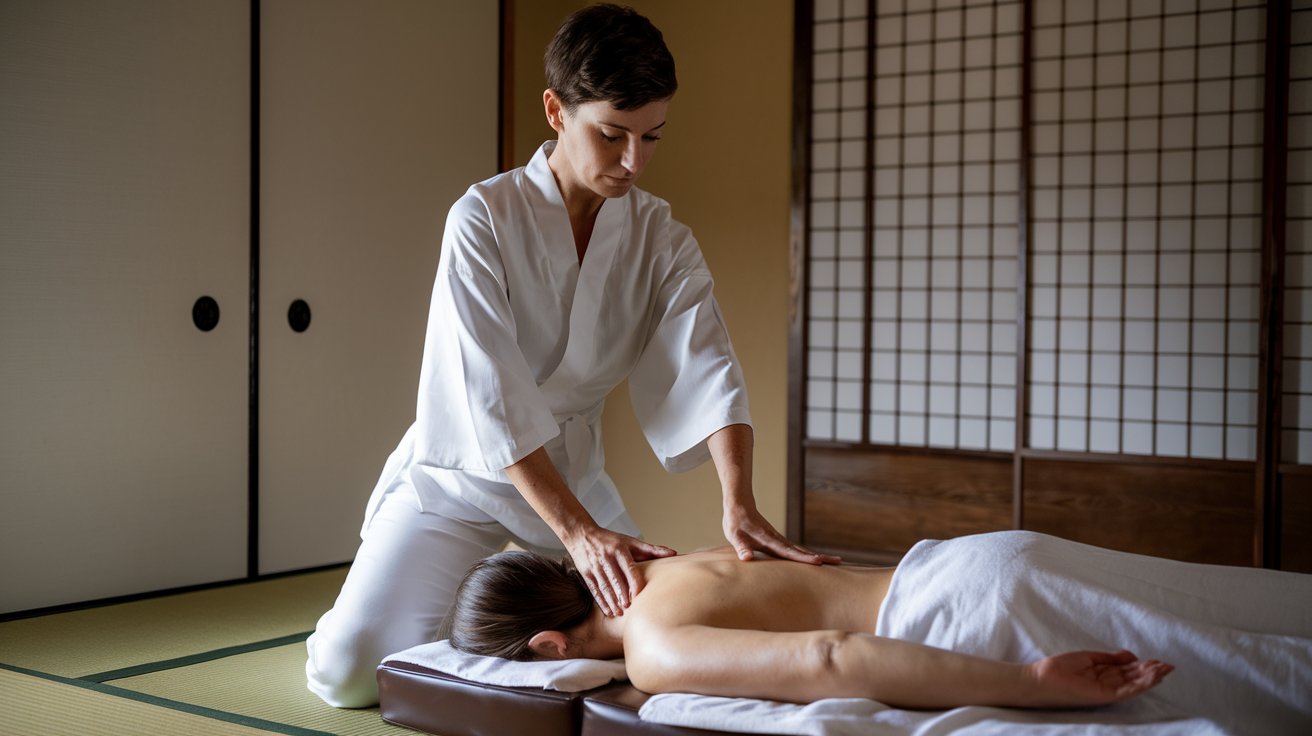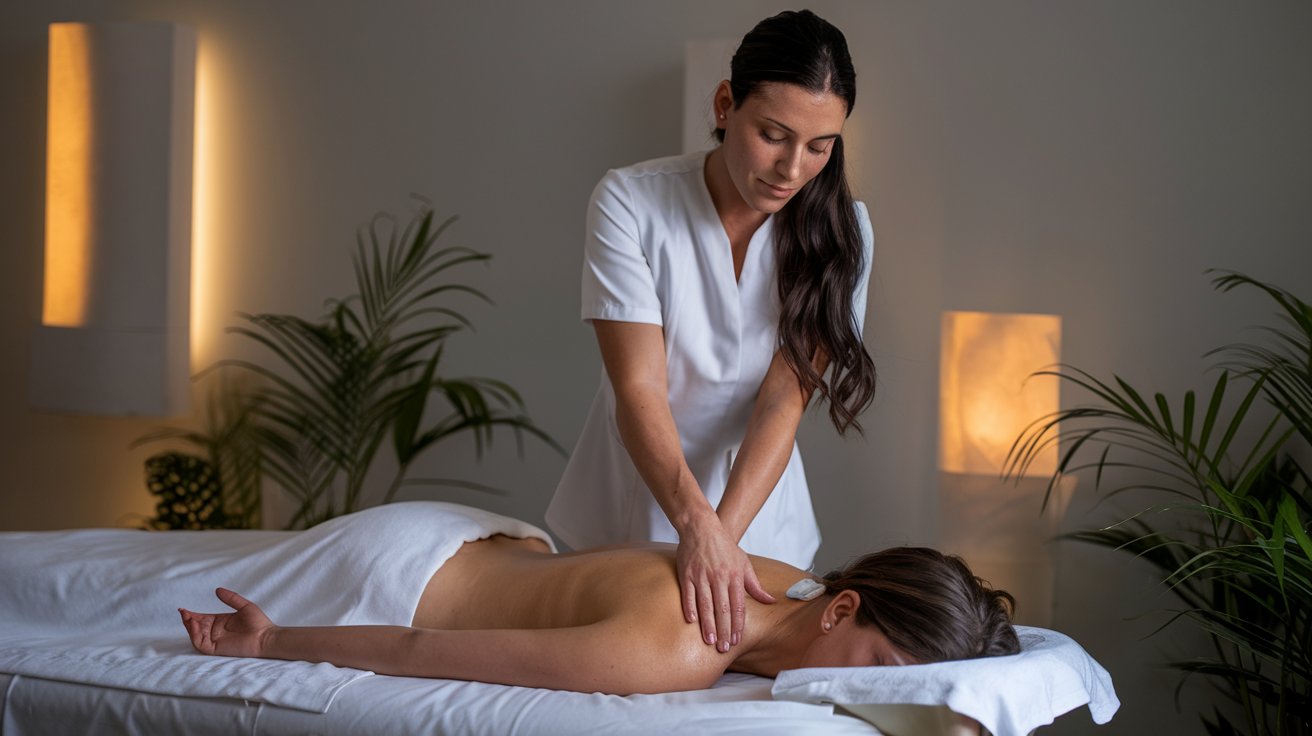
A Swedish massage is the most popular therapeutic massage technique in the United States, characterized by five fundamental strokes that promote relaxation and improve circulation. This gentle, full-body treatment uses long gliding movements, kneading, friction, tapping, and vibration to release muscle tension and enhance overall wellness. Whether you’re seeking stress relief, pain management, or improved sleep quality, understanding what happens during a Swedish massage helps you make informed decisions about your therapeutic bodywork journey.
Understanding Swedish Massage: The Foundation of Modern Bodywork
Swedish massage was developed in the 1820s by Per Henrik Ling, a Swedish physiologist who combined Chinese, Egyptian, Greek, and Roman therapeutic techniques into a comprehensive system. Today, it remains the most commonly offered massage modality across the United States, with over 39 million Americans receiving at least one Swedish massage annually according to 2026 American Massage Therapy Association data. The technique focuses on the superficial layers of muscles using smooth, flowing strokes applied in the direction of blood flow toward the heart.
This therapeutic approach distinguishes itself through its gentle to moderate pressure application, making it ideal for first-time massage clients and those seeking relaxation rather than intense therapeutic intervention. The five core techniques—effleurage (gliding strokes), petrissage (kneading), friction (deep circular movements), tapotement (rhythmic tapping), and vibration—work synergistically to improve oxygen flow in the blood, release toxins from muscles, and promote mental clarity. Most sessions last between 60 to 90 minutes and address the entire body systematically.
The Five Core Techniques of Swedish Massage
Each Swedish massage technique serves specific therapeutic purposes and creates the distinctive experience that differentiates this modality from other bodywork approaches.
Effleurage: Long Gliding Strokes
Effleurage involves long, sweeping strokes performed with open palms and fingers, typically applied at the beginning and end of sessions to warm muscles and promote relaxation. Therapists use varying pressure levels—from feather-light to moderately firm—always moving in the direction of the heart to enhance venous return. This technique increases surface blood flow by up to 40% according to 2025 research published in the Journal of Bodywork and Movement Therapies, preparing tissues for deeper work while triggering the parasympathetic nervous system response that reduces cortisol levels.
Petrissage: Kneading and Compression
The kneading technique involves lifting, squeezing, and rolling muscle tissue between the thumbs and fingers, similar to kneading bread dough. Petrissage targets deeper muscle layers than effleurage, releasing muscle knots and adhesions while improving lymphatic drainage. This method particularly benefits areas with substantial muscle mass like the shoulders, thighs, and buttocks, where therapists can grasp and manipulate tissue to break down metabolic waste products accumulated from physical activity or prolonged sitting.
Friction, Tapotement, and Vibration Techniques
Friction techniques apply concentrated pressure using fingertips, thumbs, or palms in circular or cross-fiber patterns to address specific adhesions and trigger points. Tapotement uses rhythmic tapping, cupping, or hacking movements that stimulate nerve endings and invigorate muscles, often applied to athletes before events. Vibration involves rapid shaking or trembling motions that release tension and create a soothing effect on the nervous system, typically used sparingly throughout sessions to add variety and address specific areas of holding.
What Happens During a Swedish Massage Session
A typical Swedish massage session in the United States follows a structured protocol designed to maximize therapeutic benefits while ensuring client comfort and safety throughout the experience.
Pre-Session Consultation and Preparation
Your therapist begins with a brief health history consultation addressing medical conditions, injuries, areas of tension, and pressure preferences. This conversation typically lasts 5-10 minutes and helps customize the session to your specific needs. You’ll then be directed to a private treatment room where you undress to your comfort level—most clients remove all clothing except underwear, though you remain draped with sheets throughout the session. The therapist waits outside while you position yourself face-down on the massage table, covered by sheets with only the area being worked exposed at any given time.
The Massage Sequence and Body Positioning
Most full body Swedish massage sessions follow a systematic sequence beginning with you lying face-down. The therapist typically starts with your back, using effleurage to warm the muscles before progressing to petrissage and targeted friction work. Sessions continue down each leg, then you flip over for face-up work addressing the front of legs, arms, hands, neck, shoulders, and optionally the scalp and face. Throughout the 60-90 minute session, the therapist adjusts pressure based on your feedback and uses massage oil or lotion to reduce friction and allow smooth gliding movements across your skin.
Physical Benefits of Swedish Massage
The health benefits of Swedish massage extend far beyond simple relaxation, with documented physiological effects supported by extensive clinical research conducted through 2026.
Cardiovascular and Circulatory Improvements
Swedish massage can lower blood pressure by promoting vasodilation and reducing stress hormones that constrict blood vessels. A 2024 study from the University of California involving 263 participants demonstrated that bi-weekly Swedish massage sessions reduced systolic blood pressure by an average of 10-12 mmHg and diastolic pressure by 6-8 mmHg over eight weeks. The technique improves circulation by mechanically moving blood through congested areas, increasing oxygen delivery to tissues by up to 35% according to Doppler ultrasound measurements, while enhancing lymphatic drainage that removes metabolic waste products from muscle tissue.
Musculoskeletal Pain Relief and Flexibility
Regular Swedish massage therapy significantly reduces chronic pain conditions including lower back pain, osteoarthritis discomfort, and tension headaches. The American College of Physicians’ 2026 clinical guidelines now recommend massage as a first-line treatment for non-specific lower back pain before pharmaceutical interventions. The techniques increase range of motion by lengthening shortened muscles and fascia, breaking down adhesions that restrict movement, and reducing inflammation markers like cytokines. Clients typically report 30-50% reduction in pain scores after consistent bi-weekly sessions maintained for six weeks or longer.
Immune System Enhancement
Research from Cedars-Sinai Medical Center demonstrates that Swedish massage produces measurable changes in immune function, increasing white blood cell counts and lymphocyte numbers that defend against pathogens. Single 45-minute sessions increase circulating lymphocytes by approximately 15-20%, while regular massage reduces cortisol levels by 30% on average. These hormonal shifts create favorable conditions for immune system optimization, explaining why regular massage recipients report 40% fewer sick days annually compared to non-recipients according to 2025 workplace wellness program data.
Mental Health Benefits of Swedish Massage
The psychological benefits of Swedish massage address the growing mental health crisis affecting Americans, with 2026 CDC data showing 42% of adults reporting symptoms of anxiety or depression.
Swedish massage therapy triggers significant neurochemical changes including increased serotonin and dopamine production alongside decreased cortisol levels. A 2025 meta-analysis of 37 randomized controlled trials published in JAMA Psychiatry confirmed that massage therapy reduces anxiety symptoms by 31% and depression scores by 28% compared to control groups receiving no intervention. The parasympathetic nervous system activation during massage produces immediate stress reduction, lowering heart rate by 5-8 beats per minute and reducing stress hormone levels that persist for 48-72 hours post-session. Sleep quality improvements occur in 68% of regular massage recipients, with increased slow-wave sleep duration and reduced nighttime awakenings.
Swedish Massage vs Deep Tissue: Key Differences
Understanding the difference between Swedish and deep tissue massage helps you select the appropriate treatment for your specific needs and tolerance levels.
Swedish massage vs deep tissue comparisons reveal distinct pressure levels, target tissue depth, and intended outcomes. Swedish massage employs light to moderate pressure focusing on superficial muscle layers and promoting overall relaxation, while deep tissue massage uses intense, sustained pressure to reach deep muscle layers and fascia to address chronic pain patterns and structural issues. Swedish sessions rarely cause post-treatment soreness, whereas deep tissue commonly produces 24-48 hours of muscle tenderness similar to post-workout sensations. The pace differs significantly—Swedish flows rhythmically with continuous movement, while deep tissue works slowly through restricted areas with extended holds on trigger points. Most therapists recommend beginning with Swedish massage to acclimate your body before progressing to deeper work if needed.
Swedish vs Other Popular Massage Modalities
The United States massage market offers diverse modalities, each with distinct characteristics that serve different therapeutic goals.
Swedish Massage vs Hot Stone Therapy
Hot stone massage incorporates heated basalt stones (typically 130-145°F) placed on specific body points and used as massage tools, combining Swedish techniques with thermotherapy benefits. The heat penetrates 3-4 centimeters into muscle tissue compared to Swedish massage’s 1-2 centimeters with manual pressure alone, making hot stone particularly effective for chronic muscle stiffness and cold-related tension. Sessions cost 15-30% more than standard Swedish massage, with average US prices ranging from $95-175 for 60 minutes versus $70-120 for traditional Swedish work.
Swedish vs Thai and Aromatherapy Massage
The difference between Swedish and Thai massage is dramatic—Thai massage occurs on floor mats with clients fully clothed, using no oils while incorporating yoga-like stretching, joint mobilization, and acupressure along energy lines. Swedish remains table-based with oil application and focuses on muscle manipulation rather than flexibility enhancement. Aromatherapy massage adds essential oils to Swedish techniques, with compounds like lavender and chamomile absorbed through skin and olfactory systems to enhance relaxation by an additional 15-20% according to 2026 aromatherapy research, though sessions typically cost $10-25 more than standard Swedish massage.
What to Expect After Your Swedish Massage
The post-massage period involves predictable physiological responses that maximize therapeutic benefits when properly managed through self-care practices.
Immediately following Swedish massage therapy, most clients experience mild lightheadedness when standing due to blood pressure changes and relaxation-induced altered consciousness states. Drinking 16-24 ounces of water within 30 minutes helps flush released metabolic waste products and prevents dehydration-related headaches reported by 12% of massage recipients. Muscle soreness rarely occurs after Swedish massage unlike deep tissue work, though areas receiving concentrated friction may feel tender for 12-24 hours. The relaxation response typically peaks 2-4 hours post-session, with 73% of clients reporting improved sleep quality the night following treatment according to 2025 sleep tracking data. Therapeutic benefits accumulate with regular sessions—weekly or bi-weekly massage produces significantly greater long-term improvements in pain, stress, and sleep compared to monthly or sporadic treatments.
Preparing for Your Swedish Massage Session
Proper pre-massage preparation enhances comfort, therapeutic outcomes, and overall session quality while preventing common complications.
Avoid eating heavy meals within 90 minutes of your Swedish massage appointment, as lying face-down with a full stomach causes discomfort and may trigger acid reflux. Shower beforehand as a courtesy to your therapist, though avoid applying lotions or oils that interfere with massage medium absorption. Arrive 10-15 minutes early for first appointments to complete intake paperwork without rushing, and communicate openly about pressure preferences, areas requiring attention, and any discomfort during the session. Regarding the common question about whether you wear clothes during a Swedish massage, clients typically undress completely or retain underwear based on personal comfort, remaining covered by sheets with only the area being massaged exposed. Therapists are trained in professional draping techniques that maintain privacy throughout sessions while allowing access to treatment areas.
Finding Qualified Swedish Massage Therapists
Selecting an appropriately credentialed massage therapist ensures safety, professionalism, and optimal therapeutic outcomes in an industry with varying state-level regulations.
All Swedish massage therapists practicing legally in the United States must hold state licensure or certification requiring 500-1000 hours of training depending on jurisdiction—Texas mandates 500 hours while New York requires 1000 hours of approved education. Verify credentials through your state’s massage therapy board website, and prioritize therapists holding national certification through the National Certification Board for Therapeutic Massage and Bodywork (NCBTMB), which requires 500 continuing education hours every four years. When searching for Swedish massage near me, evaluate online reviews focusing on professionalism, communication, and specific technique quality rather than just facility ambiance. Session costs vary regionally from $70-120 for 60 minutes in most US markets, with major metropolitan areas like New York, San Francisco, and Boston commanding $100-175 per hour while smaller markets range $60-90 for equivalent services.
Potential Disadvantages and Contraindications
While generally safe, Swedish massage presents specific contraindications and potential drawbacks that require consideration before beginning treatment protocols.
The primary disadvantages of Swedish massage include limited effectiveness for severe chronic pain conditions requiring deeper pressure, cost considerations for uninsured clients without health savings accounts, and time commitments of 60-90 minutes that challenge busy schedules. Absolute contraindications include active infections, fever, acute inflammation, uncontrolled hypertension, recent surgeries, deep vein thrombosis, and certain skin conditions like contagious rashes or open wounds. Relative contraindications requiring physician clearance include pregnancy (especially first trimester), cancer treatment, osteoporosis, and bleeding disorders. Some individuals experience vasovagal responses causing temporary dizziness, while others report emotional releases during sessions as stored trauma surfaces—both normal responses requiring therapist awareness and appropriate support.
Insurance Coverage and Cost Considerations in 2026
The financial landscape of massage therapy has evolved significantly, with expanding insurance coverage making Swedish massage more accessible to middle-income Americans.
As of 2026, approximately 38% of major health insurance plans cover Swedish massage therapy when prescribed by physicians for specific conditions including chronic pain, anxiety disorders, and recovery from injuries. Medicare Advantage plans increasingly include massage benefits with 42% of plans offering 12-24 sessions annually, while traditional Medicare excludes massage coverage except within chiropractic or physical therapy contexts. Health Savings Accounts (HSAs) and Flexible Spending Accounts (FSAs) allow pre-tax payment for massage therapy with qualifying medical documentation, effectively reducing costs by 22-35% depending on tax brackets. Cash-pay pricing averages $85-135 for 60-minute sessions and $120-190 for 90-minute treatments across US markets, with membership programs at massage chains like Massage Envy offering reduced rates of $60-80 per session with monthly commitments.
Related video about whats a swedish massage
This video complements the article information with a practical visual demonstration.
Essential Q&A about whats a swedish massage
What is the difference between Swedish and regular massage?
Swedish massage is the foundation of what most people consider regular massage in the United States. The term ‘regular massage’ typically refers to Swedish techniques unless otherwise specified. Swedish massage specifically uses five core techniques—effleurage, petrissage, friction, tapotement, and vibration—with light to moderate pressure for relaxation. Other massage types like deep tissue, sports massage, or myofascial release are specialized variations that diverge from Swedish fundamentals with different pressure levels, techniques, and therapeutic goals. When someone books a ‘massage’ without specifying type, they usually receive Swedish massage as the default modality.
Do you wear clothes during a Swedish massage?
Most clients undress completely or retain underwear based on personal comfort preferences during Swedish massage sessions. You remain covered by sheets throughout the treatment, with only the specific area being massaged exposed at any time through professional draping techniques. Therapists leave the room while you undress and position yourself on the table under the sheets. There is no requirement to be completely nude—your comfort level determines clothing choices, and professional therapists respect whatever coverage you prefer while maintaining access to treatment areas. Many first-time clients keep underwear on until they develop comfort with the draping process.
Can Swedish massage lower blood pressure?
Yes, Swedish massage can lower blood pressure through multiple mechanisms supported by clinical research. Studies show that regular bi-weekly sessions reduce systolic blood pressure by 10-12 mmHg and diastolic pressure by 6-8 mmHg on average over eight weeks. The massage promotes vasodilation, reduces stress hormones like cortisol that constrict blood vessels, and activates the parasympathetic nervous system that regulates cardiovascular function. A 2024 University of California study involving 263 participants confirmed these effects persist for 48-72 hours after each session. However, Swedish massage should complement rather than replace prescribed blood pressure medications without physician consultation.
What is a full body Swedish massage?
A full body Swedish massage systematically addresses all major muscle groups from head to feet during 60-90 minute sessions. The therapist works on your back, shoulders, arms, hands, legs, feet, neck, and optionally face and scalp using the five Swedish techniques. Sessions typically begin face-down addressing posterior body areas including back, glutes, and back of legs, then continue face-up with front of legs, arms, chest, abdomen (if comfortable), and neck. Unlike targeted massage focusing only on problem areas, full body work promotes overall relaxation and systemic benefits including improved circulation, reduced stress hormones, and comprehensive muscle tension relief throughout your entire body.
How often should I get a Swedish massage?
Optimal Swedish massage frequency depends on your goals and budget, with research showing bi-weekly sessions produce maximum therapeutic benefits for chronic conditions. For stress management and general wellness, monthly massage maintains benefits while fitting most budgets at $85-135 per session. Those addressing chronic pain, anxiety, or sleep disorders benefit from weekly sessions for 6-8 weeks before transitioning to bi-weekly maintenance. Athletes may require weekly massage during training periods and bi-weekly during off-seasons. Single sessions provide immediate relaxation lasting 48-72 hours, but cumulative benefits for pain reduction, immune function, and stress resilience require consistent treatment over months rather than sporadic sessions.
Is Swedish massage good for anxiety and stress?
Swedish massage significantly reduces anxiety and stress through measurable neurochemical changes including increased serotonin and dopamine alongside 30% cortisol reduction. A 2025 meta-analysis of 37 studies confirmed that massage therapy decreases anxiety symptoms by 31% and depression scores by 28% compared to no intervention. The techniques activate the parasympathetic nervous system, lowering heart rate by 5-8 beats per minute and creating relaxation responses lasting 48-72 hours post-session. For clinical anxiety disorders, Swedish massage serves as effective complementary treatment alongside therapy and medication, with 68% of regular recipients reporting improved sleep quality and better stress coping mechanisms according to 2026 research data.
| Key Aspect | Important Details | Primary Benefit |
|---|---|---|
| Core Techniques | Five methods: effleurage, petrissage, friction, tapotement, vibration | Comprehensive muscle relaxation and improved circulation |
| Session Duration | 60-90 minutes addressing full body systematically | Complete therapeutic treatment with lasting effects |
| Pressure Level | Light to moderate, gentler than deep tissue massage | Ideal for beginners and relaxation-focused clients |
| Blood Pressure Impact | Reduces systolic by 10-12 mmHg, diastolic by 6-8 mmHg | Cardiovascular health improvement with regular sessions |
| Mental Health Effects | 31% anxiety reduction, 30% cortisol decrease per session | Significant stress relief and improved emotional wellbeing |
| Cost Range (2026) | $70-120 for 60 minutes in most US markets | Accessible therapeutic option with HSA/FSA eligibility |
| Optimal Frequency | Bi-weekly for therapeutic goals, monthly for maintenance | Cumulative benefits for pain, immunity, and stress management |