RMT massage refers to therapeutic massage services provided by a Registered Massage Therapist, a healthcare professional who has completed extensive education, training, and certification. In the United States, while the term RMT is more commonly used in Canada, understanding this designation helps you identify qualified massage therapists who meet rigorous professional standards. These practitioners use evidence-based techniques to treat pain, improve circulation, reduce stress, and address various musculoskeletal conditions through manual manipulation of soft tissues.
Understanding RMT Massage and Professional Credentials
An RMT massage therapist has completed specialized training programs ranging from 500 to 1,000 hours, depending on state requirements in the United States. These programs cover anatomy, physiology, pathology, kinesiology, and various massage therapy techniques. In 2026, approximately 385,000 licensed massage therapists practice in the United States, with the profession expected to grow by 18% through 2032 according to Bureau of Labor Statistics projections.
The difference between an RMT and a massage therapist lies primarily in registration and regulatory frameworks. While the RMT designation is standard in Canada, United States practitioners hold titles like Licensed Massage Therapist (LMT) or Certified Massage Therapist (CMT) depending on state regulations. Regardless of title, qualified professionals must pass national certification exams such as the MBLEx (Massage and Bodywork Licensing Examination) and maintain continuing education requirements to ensure current knowledge of therapeutic practices.
What to Expect During Your RMT Massage Session
Understanding what to expect from RMT massage helps first-time clients feel comfortable and prepared. Your initial session begins with a comprehensive intake assessment where the therapist reviews your medical history, current concerns, and treatment goals. This evaluation typically takes 10-15 minutes and helps the massage therapist create a personalized treatment plan addressing your specific needs.
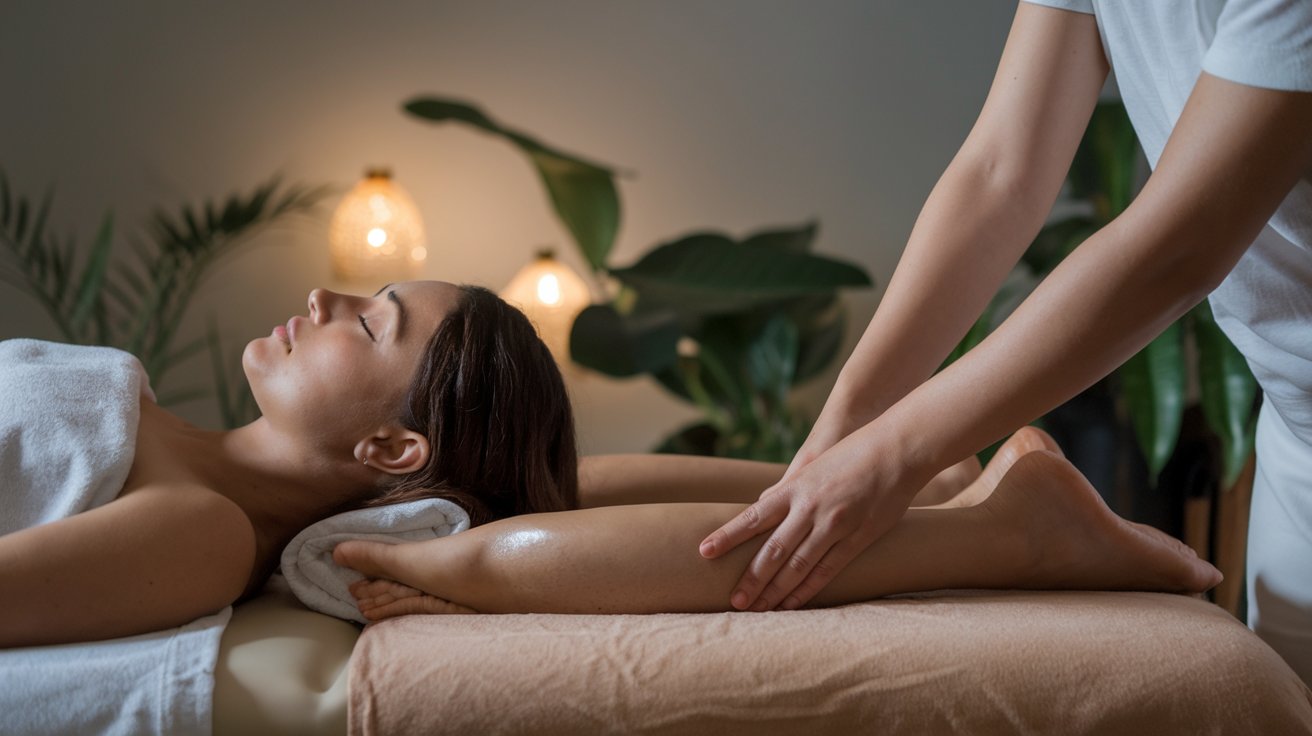
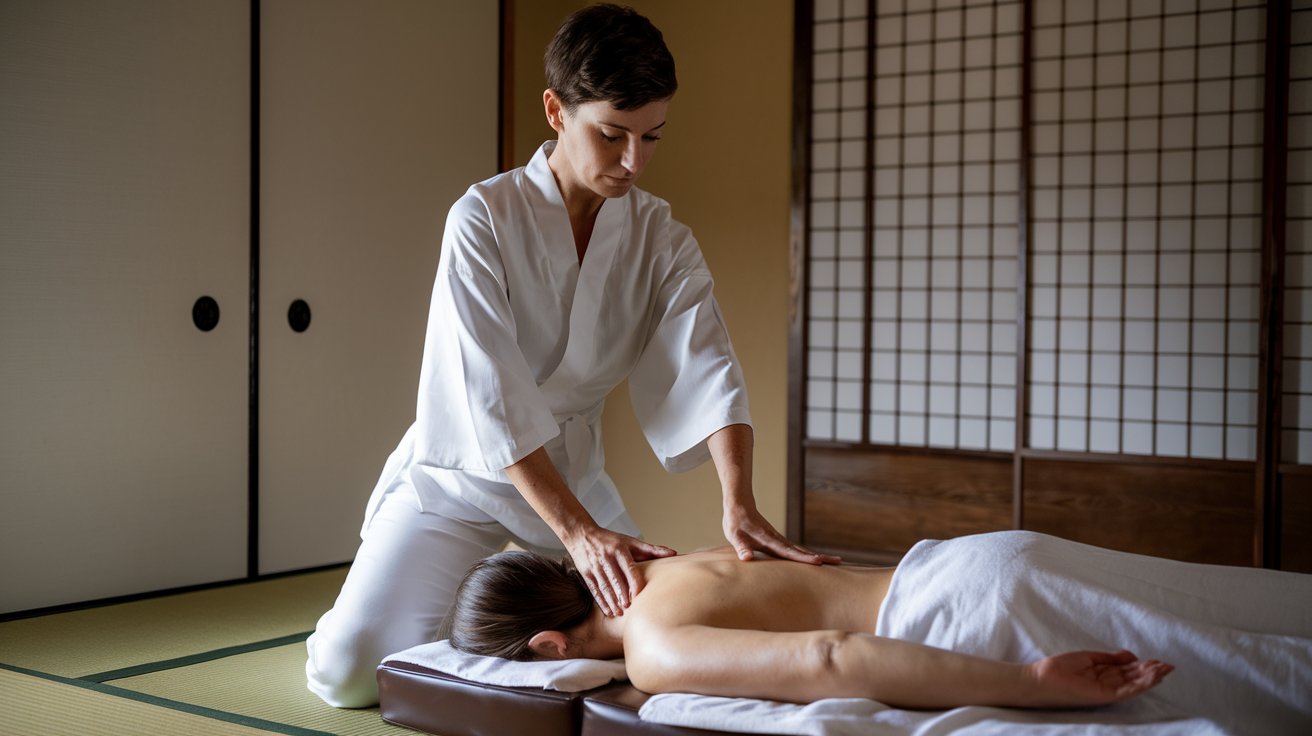
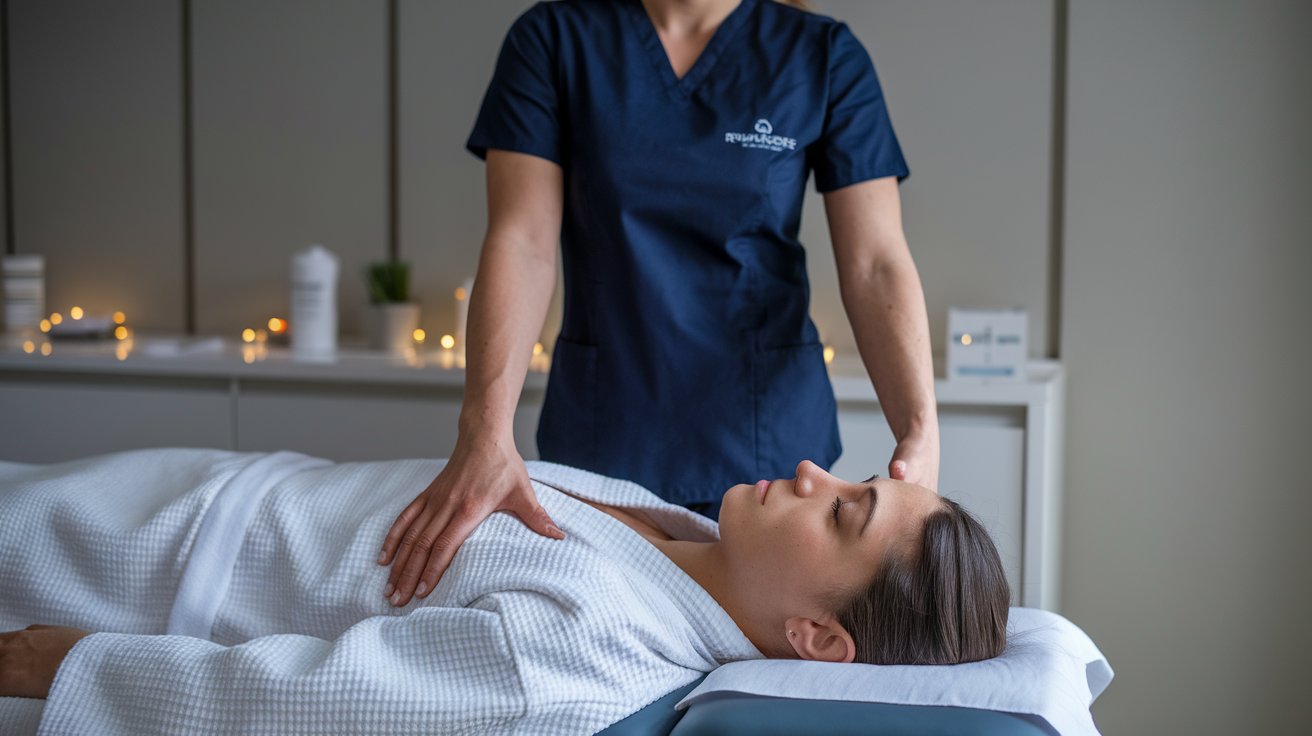
During the session, which typically lasts 60 to 90 minutes, you will lie on a padded massage table in a private, quiet room. The therapist uses various techniques including Swedish massage, deep tissue work, myofascial release, and trigger point therapy. Professional RMT massage practitioners always maintain appropriate draping for privacy and comfort while accessing treatment areas. Communication throughout the session ensures pressure levels and techniques meet your comfort and therapeutic needs.
RMT Massage Certification and Training Requirements
Obtaining RMT massage certification in the United States requires completing an accredited massage therapy program approved by state regulatory boards. As of 2026, 46 states plus the District of Columbia regulate massage therapy practice. Programs must include minimum hours ranging from 500 hours in states like Florida to 1,000 hours in states like New York, with curriculum covering essential healthcare knowledge.
The certification process involves graduating from an approved school, passing a national or state-specific examination, and obtaining professional liability insurance. The National Certification Board for Therapeutic Massage and Bodywork (NCBTMB) credentials approximately 120,000 practitioners nationwide. After initial certification, therapists must complete 12-48 hours of continuing education every two years to maintain licensure, ensuring they stay current with evolving research and techniques in manual therapy.
Health Benefits and Therapeutic Applications
Professional RMT massage offers extensive evidence-based health benefits supported by clinical research conducted through 2026. Regular sessions effectively reduce chronic pain conditions including lower back pain, neck tension, and arthritis discomfort. Studies show that therapeutic massage reduces pain intensity by 25-40% in patients with chronic musculoskeletal conditions when combined with conventional medical care.
Research consistently demonstrates that massage helps with cortisol levels, reducing this stress hormone by an average of 31% after a single 60-minute session. Simultaneously, massage increases serotonin and dopamine levels by approximately 28% and 31% respectively, improving mood and emotional well-being. These biochemical changes explain why clients experience significant stress reduction, improved sleep quality, and enhanced immune function with regular massage therapy.
Medical Conditions and Massage Safety Considerations
Many clients wonder about safety when managing specific health conditions. If you have high blood pressure, massage therapy can be beneficial when properly modified. Studies from 2024-2026 indicate that gentle, relaxing massage techniques can lower systolic blood pressure by 10-12 mmHg and diastolic pressure by 6-8 mmHg in hypertensive patients. However, qualified RMT massage therapists adjust pressure, positioning, and techniques based on your cardiovascular health status.
Contraindications requiring medical clearance include uncontrolled hypertension above 180/110 mmHg, recent surgery, active infections, and certain cardiovascular conditions. Professional therapists conduct thorough health screenings and communicate with your healthcare providers when necessary. In 2026, collaborative care models between massage therapists and physicians have become standard practice, ensuring safe and effective treatment for clients with complex medical histories.
RMT Massage Course Options and Career Pathways
Aspiring massage therapists can choose from numerous RMT massage course options offered by accredited institutions throughout the United States. Programs range from 6-month intensive courses to 2-year associate degree programs that include additional business and healthcare management training. As of 2026, approximately 320 accredited massage therapy schools operate nationwide, with tuition costs ranging from $6,000 to $20,000 depending on program length and location.
Curriculum in quality massage therapy programs includes 200-300 hours of anatomy and physiology, 150-200 hours of hands-on technique training, and 100-150 hours of clinical practice with supervised client sessions. Advanced courses cover specialized modalities such as sports massage, prenatal massage, oncology massage, and neuromuscular therapy. Graduates can pursue diverse career paths including private practice, medical clinics, sports facilities, spas, hospitals, and integrative healthcare centers.
Finding Qualified RMT Massage Services Near You
Locating qualified RMT massage near me requires verifying credentials and professional standing of potential therapists. State licensing boards maintain online databases where you can confirm a therapist’s current license status, certification dates, and disciplinary history. The American Massage Therapy Association (AMTA) directory includes over 80,000 members nationwide, providing another reliable resource for finding credentialed professionals in your area.
When selecting a massage therapist, consider their specialized training relevant to your needs. Sports injury rehabilitation requires different expertise than stress management or prenatal care. Request information about their education, years of experience, and any specialty certifications they hold. In 2026, most professional therapists maintain websites or profiles detailing their qualifications, treatment approaches, and client reviews, making informed selection easier than ever before.
Insurance Coverage and Payment Options
Understanding payment options for RMT massage helps you access needed care affordably. While traditional health insurance typically does not cover massage for relaxation purposes, many plans include coverage when medically necessary and prescribed by a physician. As of 2026, approximately 35% of health insurance plans in the United States provide some massage therapy benefits, particularly for conditions like chronic pain, injury rehabilitation, and post-surgical recovery.
Coverage through extended health benefits, flexible spending accounts (FSA), and health savings accounts (HSA) has expanded significantly. Most automobile insurance policies cover massage therapy for accident-related injuries, and workers’ compensation includes massage for workplace injury treatment. Session costs without insurance range from $60-$150 nationally, with rates varying based on geographic location, session length, and therapist experience. Many practitioners offer package discounts for multiple pre-paid sessions, making regular therapeutic massage more accessible.
Difference Between RMT and Non-Registered Practitioners
The fundamental difference between registered and non-registered massage practitioners centers on education, regulation, and scope of practice. Registered or licensed therapists have completed state-approved education programs, passed competency examinations, and maintain accountability through regulatory oversight. They possess comprehensive knowledge of anatomy, pathology, and contraindications necessary for safe therapeutic practice.
Non-registered practitioners may offer massage services in states without regulation or work in spa settings providing relaxation massage only. While they may have training, they lack the formal education and professional accountability of licensed therapists. For therapeutic treatment of medical conditions, pain management, or injury rehabilitation, choosing a credentialed RMT massage therapist ensures you receive evidence-based care from a qualified healthcare professional who can safely address your specific health needs.
RMT Terminology in Healthcare Settings
Understanding RMT meaning in nursing and broader healthcare contexts helps clarify professional roles. In medical facilities, RMT may refer to Registered Massage Therapist, Respiratory Therapy Technician, or other healthcare roles depending on context. When appearing in medical documentation or healthcare team discussions, always confirm the specific designation being referenced.
In integrative healthcare settings increasingly common in 2026, massage therapists function as valued members of multidisciplinary treatment teams. They collaborate with physicians, physical therapists, chiropractors, and other providers to deliver comprehensive patient care. This integration has elevated the professional status of qualified massage therapists, with many now working in hospital systems, rehabilitation centers, and pain management clinics where their expertise contributes to improved patient outcomes and reduced reliance on pharmaceutical interventions.
Specialized RMT Massage Techniques and Modalities
Qualified RMT massage practitioners utilize diverse techniques tailored to specific therapeutic goals. Swedish massage, the foundation of Western massage therapy, employs five basic strokes—effleurage, petrissage, friction, tapotement, and vibration—to improve circulation and promote relaxation. Deep tissue massage targets chronic muscle tension and adhesions in deeper tissue layers, using slower strokes and more intense pressure to release persistent muscular holding patterns.
Advanced modalities available from experienced therapists include myofascial release, which addresses fascial restrictions contributing to pain and movement limitations; trigger point therapy targeting hyperirritable spots in skeletal muscle; and neuromuscular therapy focusing on nerve-muscle relationships. In 2026, evidence-based techniques like manual lymphatic drainage for edema management and craniosacral therapy for nervous system regulation have gained acceptance in mainstream healthcare. Your massage therapist selects and combines techniques based on your assessment findings, treatment goals, and response to previous sessions.
Related video about what is rmt massage
This video complements the article information with a practical visual demonstration.
Frequently Asked Questions
What is the difference between an RMT and a massage therapist?
The primary difference between an RMT and a massage therapist is regulatory terminology rather than qualification level. RMT (Registered Massage Therapist) is the standard designation in Canada, while United States practitioners use titles like Licensed Massage Therapist (LMT) or Certified Massage Therapist (CMT) depending on state regulations. Both designations indicate the practitioner has completed accredited education programs typically ranging from 500-1,000 hours, passed national or state certification examinations, and maintains licensure through continuing education. When seeking qualified care in the United States, look for state licensure rather than the specific RMT title, as this ensures the therapist meets professional standards equivalent to registered practitioners in Canada.
Does massage help with cortisol levels?
Yes, research consistently demonstrates that massage helps with cortisol levels significantly. Clinical studies through 2026 show that a single 60-minute therapeutic massage session reduces cortisol, the primary stress hormone, by an average of 31%. This reduction occurs because massage activates the parasympathetic nervous system, shifting the body from stress response to rest-and-digest mode. Simultaneously, massage increases beneficial neurotransmitters including serotonin by 28% and dopamine by 31%, which improve mood and emotional well-being. Regular massage therapy provides cumulative benefits for stress management, with clients receiving weekly sessions showing sustained lower baseline cortisol levels, improved sleep quality, enhanced immune function, and better stress resilience in daily life.
What to expect from RMT massage during your first visit?
During your first RMT massage session, expect a comprehensive intake process where the therapist reviews your medical history, current concerns, pain levels, and treatment goals. This assessment takes 10-15 minutes and helps create a personalized treatment plan. You will then receive massage on a padded table in a private room, with professional draping maintaining your comfort and privacy throughout the session. The therapist uses various techniques based on your needs, checking pressure levels and comfort regularly. Sessions typically last 60-90 minutes, and you should expect to feel relaxed immediately afterward, with therapeutic benefits like pain reduction and improved mobility developing over 24-48 hours. Your therapist will provide self-care recommendations and schedule follow-up appointments based on your condition and goals.
Can you get a massage if you have high blood pressure?
Yes, you can get a massage if you have high blood pressure, though modifications are necessary for safety. Research from 2024-2026 shows that gentle, relaxing massage techniques can actually lower blood pressure by 10-12 mmHg systolic and 6-8 mmHg diastolic in hypertensive patients. However, qualified massage therapists adjust their approach based on your cardiovascular status, avoiding deep pressure techniques and ensuring proper positioning. If your blood pressure is uncontrolled (above 180/110 mmHg), you should obtain medical clearance before massage. Inform your therapist about your condition, medications, and any cardiovascular symptoms. Professional practitioners monitor your comfort throughout sessions and can recognize warning signs requiring treatment modification or session termination to ensure your safety.
How much does RMT massage cost in the United States?
RMT massage costs in the United States range from $60-$150 per session nationally, with variation based on geographic location, therapist experience, and session length. Urban areas typically charge $90-$150 for a 60-minute session, while suburban and rural areas range from $60-$100. Ninety-minute sessions cost approximately 50% more than hour-long appointments. Many therapists offer package discounts of 10-20% when purchasing multiple sessions upfront. Insurance coverage is available for medically necessary massage prescribed by physicians, with approximately 35% of health plans providing some benefits as of 2026. Health Savings Accounts (HSA) and Flexible Spending Accounts (FSA) can be used for qualified massage therapy, and many practitioners offer sliding scale fees or payment plans for clients with financial constraints.
What qualifications should I look for in an RMT massage therapist?
When selecting an RMT massage therapist, verify they hold current state licensure or certification, which you can confirm through your state’s massage therapy board website. Look for practitioners who graduated from accredited programs with at least 500-750 hours of training in anatomy, physiology, pathology, and hands-on techniques. National certification from organizations like NCBTMB (National Certification Board for Therapeutic Massage and Bodywork) indicates additional professional commitment. Consider specialized training relevant to your needs, such as orthopedic massage for injury treatment, prenatal certification for pregnancy, or sports massage credentials for athletic performance. Professional membership in organizations like AMTA (American Massage Therapy Association) suggests ongoing education and adherence to ethical standards. Finally, review client testimonials and ask about their experience treating conditions similar to yours during initial consultations.
| Key Aspect | Important Details | Benefit |
|---|---|---|
| Professional Credentials | 500-1,000 hours training, state licensure, national certification | Ensures qualified, safe, evidence-based therapeutic care |
| Stress Reduction | Reduces cortisol by 31%, increases serotonin and dopamine | Improves mood, sleep quality, and immune function |
| Pain Management | Reduces chronic pain intensity by 25-40% with regular sessions | Decreases medication dependence, improves mobility |
| Blood Pressure Support | Lowers BP by 10-12 mmHg systolic with appropriate techniques | Supports cardiovascular health when properly modified |
| Insurance Coverage | 35% of health plans cover medically necessary massage in 2026 | Makes therapeutic treatment more financially accessible |
| Session Investment | $60-$150 per session, package discounts available | Cost-effective wellness investment with multiple health returns |