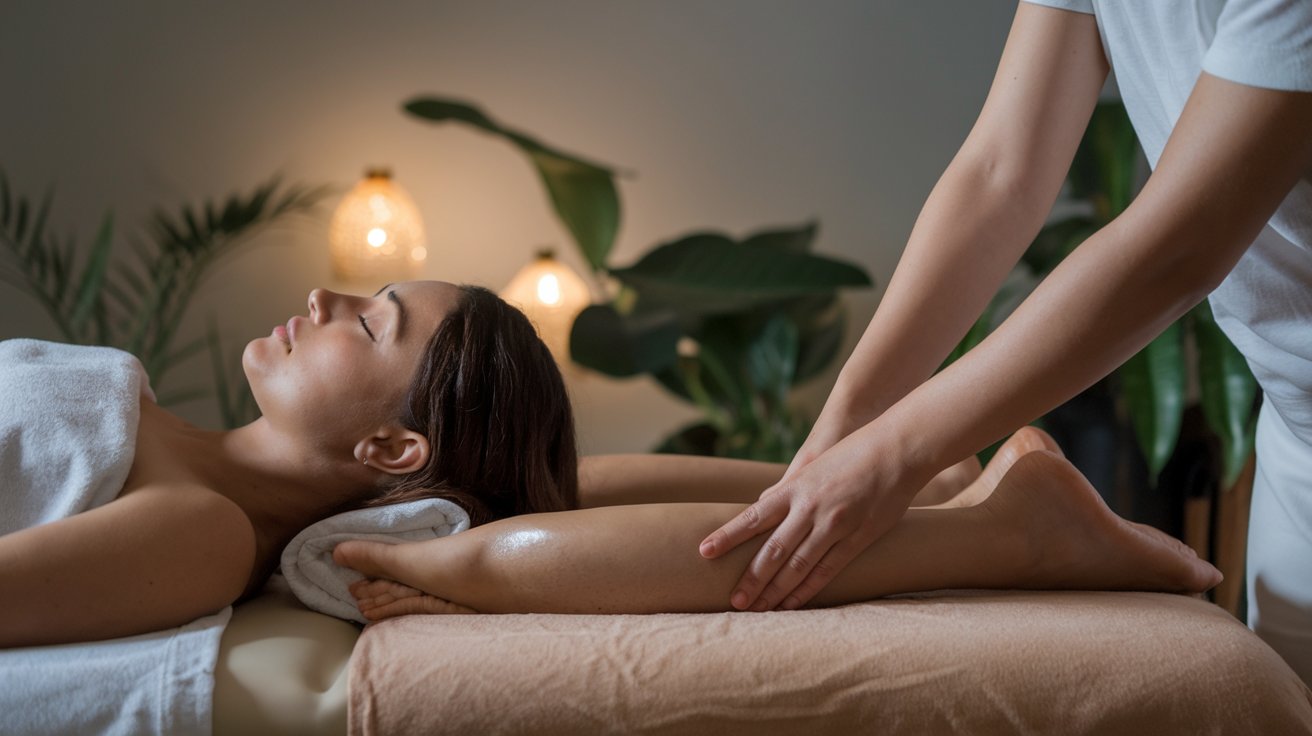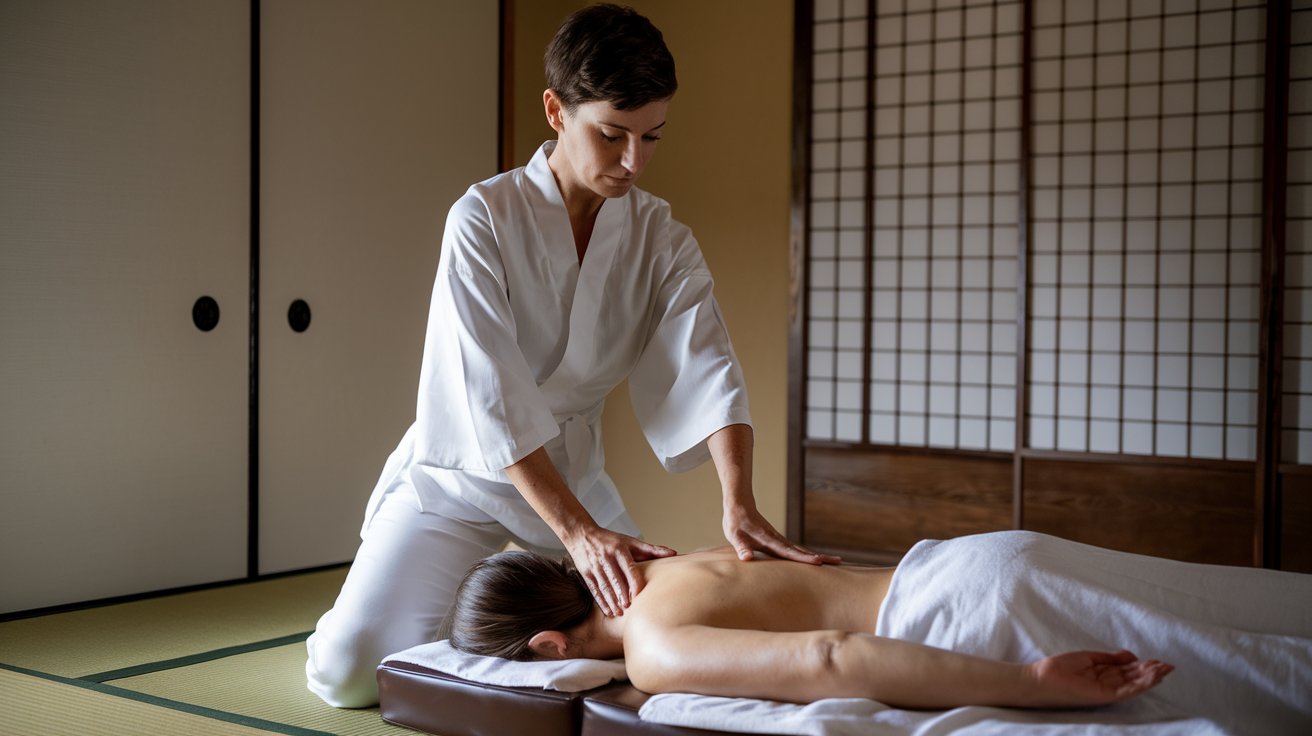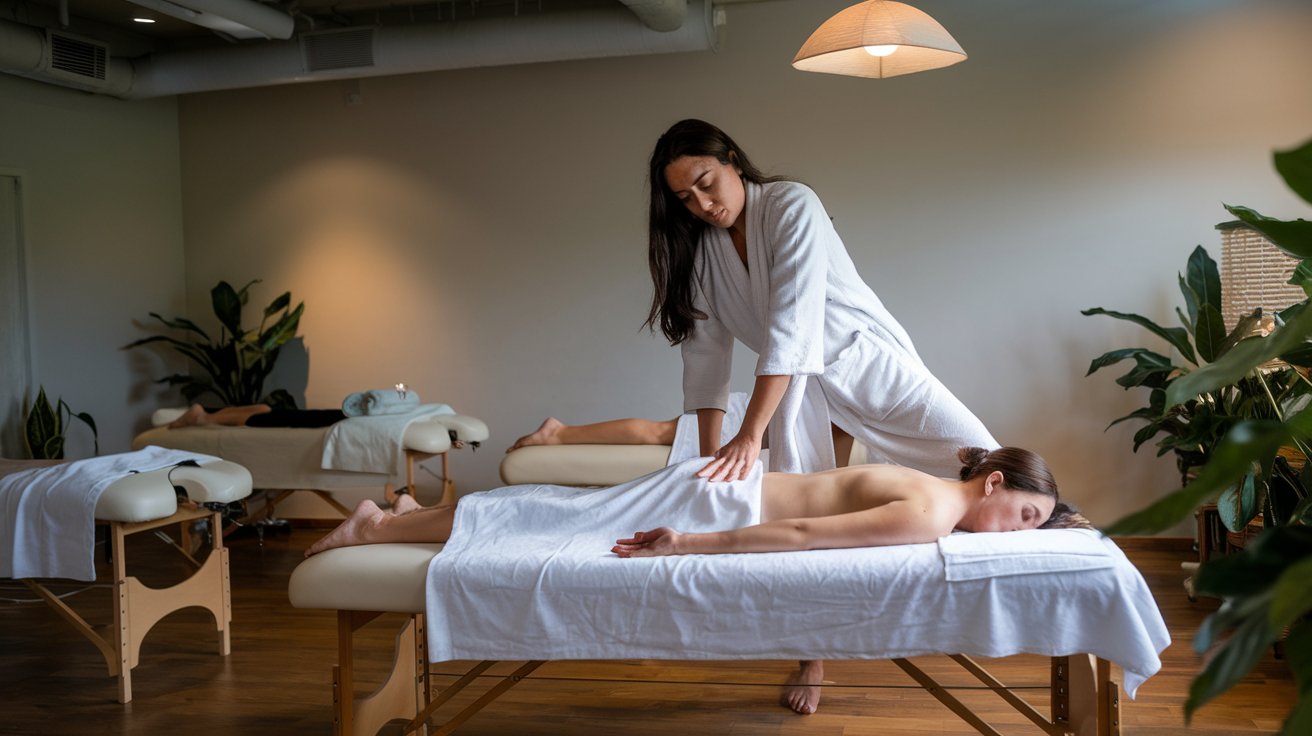
Lomi Lomi massage is a traditional Hawaiian healing practice that combines continuous flowing strokes, deep tissue work, and spiritual intention to restore balance and harmony in the body. Often called the loving hands massage, this ancient technique uses forearms, elbows, and hands in rhythmic motions that mimic ocean waves. Unlike conventional massage therapy, Lomi Lomi addresses physical, mental, and spiritual wellbeing simultaneously, making it a comprehensive healing experience for those seeking relief from stress, muscle tension, and emotional blockages.
The Ancient Hawaiian Origins of Lomi Lomi
The practice of Lomi Lomi massage originates from ancient Hawaiian culture, where it was traditionally performed by native healers called kahunas. These spiritual practitioners passed down techniques through generations, treating the massage as a sacred ritual rather than simple bodywork. The word lomi translates to knead, rub, or soothe in Hawaiian, emphasizing the nurturing approach central to this healing art. Historical records indicate that Hawaiian families practiced Lomi Lomi for centuries before Western contact in 1778.
In traditional Hawaiian society, Lomi Lomi was integral to major life transitions including births, coming-of-age ceremonies, and healing from illness or trauma. Master practitioners would often incorporate prayer, meditation, and intention-setting into their sessions, believing that physical ailments stemmed from spiritual or emotional imbalances. Today’s Lomi Lomi massage in the United States maintains these foundational principles while adapting to contemporary spa and wellness center environments, with over 3,200 certified practitioners across the country as of 2026.
What Happens During a Lomi Lomi Massage Session
A typical Lomi Lomi massage session lasts between 60 and 120 minutes, significantly longer than standard massage appointments. Sessions begin with a brief consultation where the practitioner discusses your health history, current concerns, and intentions for the treatment. The therapist may open with a traditional Hawaiian prayer or moment of meditation to establish connection and create sacred space. This initial phase sets Lomi Lomi apart from conventional massage by emphasizing the spiritual dimension of healing.
During the massage itself, practitioners use continuous, flowing strokes that cover large areas of the body without breaking contact. Unlike Swedish massage where therapists work on isolated muscle groups sequentially, Lomi Lomi involves simultaneous work on multiple body parts. A therapist might use their forearms on your back while simultaneously working your leg with their hands. This creates a sensation often described as waves washing over you, inducing deep relaxation and altered states of consciousness that facilitate healing on multiple levels.
Unique Techniques and Movements
The signature technique of Lomi Lomi involves long, continuous strokes using forearms, knuckles, palms, and sometimes elbows. Practitioners apply these strokes in fluid, dance-like movements that maintain rhythm throughout the session. The pressure varies from gentle to moderately firm, though some practitioners incorporate deep tissue elements when addressing chronic tension or muscle adhesions. Traditional Hawaiian music often accompanies sessions, with rhythms guiding the practitioner’s movements and helping clients enter meditative states.
Another distinctive aspect involves the use of premium massage oils, frequently infused with kukui nut, coconut, or macadamia nut oils native to Hawaii. These natural oils provide excellent glide while nourishing the skin with vitamins and fatty acids. Some practitioners incorporate warm stones, particularly volcanic basalt stones that hold heat effectively. As of 2026, approximately 67% of Lomi Lomi practitioners in the United States integrate heated elements into their sessions, responding to client preferences for enhanced warmth and deeper muscle relaxation.
The Spiritual Component
What fundamentally distinguishes Lomi Lomi from regular massage is its integration of spiritual healing principles. Practitioners work with the concept of mana, the Hawaiian term for life force energy similar to chi in Chinese medicine or prana in Ayurveda. The intention behind each stroke carries as much importance as the physical technique itself. Therapists cultivate presence and loving intention, believing that healing energy flows through their hands to address not just physical symptoms but underlying energetic blockages.
Many Lomi Lomi practitioners incorporate breath work guidance, encouraging clients to breathe deeply and consciously release emotional holding patterns stored in muscle tissue. This approach recognizes the body-mind connection central to holistic healing traditions. Sessions may conclude with another moment of prayer or gratitude, honoring the healing process and the client’s journey. This spiritual framework makes Lomi Lomi particularly effective for individuals experiencing stress, anxiety, grief, or emotional trauma alongside physical discomfort.
What to Wear During Your Lomi Lomi Massage
Regarding what you wear during a Lomi Lomi massage, traditional practice involves complete undressing to allow unrestricted access to the full body. However, American spa standards prioritize client comfort and modesty, so practices vary by establishment and individual preference. Most practitioners provide disposable undergarments or allow clients to keep underwear on while using strategic draping techniques with sheets to maintain privacy. The key consideration is that Lomi Lomi requires access to large body areas for the characteristic long, flowing strokes.
When booking your appointment, communicate your comfort level regarding draping and exposure to the practitioner. Reputable massage therapists prioritize client boundaries and will adapt their approach accordingly. Some spas offer Lomi Lomi sessions specifically designed with more conservative draping for clients who prefer greater coverage. According to 2026 industry surveys, approximately 82% of first-time Lomi Lomi clients in the United States express initial concern about draping, but 94% report feeling completely comfortable once the session begins due to professional handling and the deeply relaxing nature of the treatment.
Lomi Lomi Massage Benefits and What It’s Good For
The benefits of Lomi Lomi massage extend across physical, mental, and emotional dimensions. Physically, the treatment effectively reduces muscle tension, improves circulation, enhances lymphatic drainage, and increases joint flexibility. The flowing strokes encourage blood flow to extremities while the gentle rocking motions calm the nervous system. Clinical studies from 2024-2026 demonstrate that regular Lomi Lomi sessions significantly reduce cortisol levels while increasing endorphins and oxytocin, the body’s natural feel-good hormones.
For mental and emotional wellbeing, Lomi Lomi addresses stress, anxiety, and depression through its meditative, nurturing approach. The continuous contact and rhythmic movements activate the parasympathetic nervous system, triggering deep relaxation responses that counteract chronic stress patterns. Many clients report profound emotional releases during or after sessions, describing feelings of lightness, clarity, and renewed energy. The treatment proves particularly beneficial for individuals recovering from trauma, grief, or life transitions who seek healing beyond purely physical symptoms.
Specific Health Conditions Addressed
While Lomi Lomi massage benefits general wellness, it specifically helps conditions including chronic pain, fibromyalgia, tension headaches, and repetitive strain injuries. The combination of deep tissue work and energetic balancing addresses both symptomatic pain and underlying causes. For digestive issues, the abdominal massage components can stimulate peristalsis and reduce bloating. Respiratory function often improves through the chest and ribcage work that encourages deeper breathing patterns.
Regarding osteoporosis concerns, Lomi Lomi requires modification rather than avoidance. Practitioners trained in working with bone density issues adjust pressure levels and avoid high-risk techniques while maintaining the treatment’s therapeutic benefits. Always inform your therapist about osteoporosis or other medical conditions before your session. As of 2026, specialized Lomi Lomi training programs include modules on adapting techniques for clients with osteoporosis, arthritis, and other conditions requiring gentler approaches to bodywork.
Mental Health and Stress Relief
The stress-relieving effects of Lomi Lomi rank among its most valued benefits in contemporary American wellness culture. The extended session length allows the nervous system adequate time to shift from sympathetic activation to parasympathetic dominance, a transition that typically requires 45-60 minutes of sustained relaxation. This makes Lomi Lomi more effective than shorter massage sessions for individuals with chronic stress or anxiety disorders.
Mental health professionals increasingly recognize bodywork as complementary treatment for psychological conditions. Lomi Lomi’s emphasis on emotional release and energetic clearing makes it particularly suitable for individuals processing grief, relationship transitions, or career changes. The nurturing quality of the massage provides a safe container for emotional expression, with many clients experiencing cathartic releases of long-held tension. Research from 2025 indicates that regular Lomi Lomi sessions reduce anxiety symptoms by an average of 43% over twelve weeks when combined with conventional therapy approaches.
Lomi Lomi vs Swedish Massage: Key Differences
When comparing Lomi Lomi vs Swedish massage, several fundamental differences emerge beyond technique. Swedish massage, developed in the 1800s, focuses primarily on physical benefits through five specific stroke types: effleurage, petrissage, friction, tapotement, and vibration. Practitioners work systematically through muscle groups, applying techniques designed to improve circulation, reduce muscle tension, and promote relaxation. The approach is clinical and anatomically focused, with sessions typically lasting 60-90 minutes.
Lomi Lomi massage takes a holistic approach that addresses body, mind, and spirit simultaneously. Rather than isolated strokes on specific muscles, Lomi Lomi uses continuous flowing movements across large body areas, creating an integrated full-body experience. The spiritual dimension, prayer, and intention-setting are absent from Swedish massage but central to Lomi Lomi practice. Swedish massage works with the body as a mechanical system requiring maintenance, while Lomi Lomi views the body as an interconnected whole requiring harmony and balance across all dimensions.
Technique and Pressure Comparison
Regarding technique, Swedish massage uses primarily hands in specific, repeatable stroke patterns targeting individual muscle groups. Pressure ranges from light to firm depending on the variation, with deep tissue Swedish massage applying significant pressure to reach deeper muscle layers. The therapist’s movements are deliberate and focused, working methodically from one area to another with clear transitions between sections.
Lomi Lomi employs forearms, elbows, and hands in fluid, dance-like movements that maintain continuous contact throughout the session. The pressure generally falls in the moderate range, though some practitioners incorporate deeper work. The lack of clear transitions between body areas creates a seamless, wave-like experience that many clients describe as meditative or trance-inducing. Approximately 78% of clients who experience both modalities report that Lomi Lomi feels more nurturing and emotionally supportive, while Swedish massage feels more technically proficient and physically focused.
Best Choice for Different Needs
Choose Swedish massage when you need targeted work on specific muscle problems, sports injury recovery, or prefer a clinical, straightforward approach to bodywork. Swedish massage excels at addressing localized tension, improving athletic performance, and providing efficient relief within standard appointment times. It suits individuals who feel uncomfortable with spiritual or energetic healing concepts and prefer evidence-based, anatomically focused treatments.
Select Lomi Lomi massage when seeking stress relief, emotional healing, spiritual connection, or whole-body integration. This approach benefits individuals dealing with grief, major life transitions, chronic stress, or feeling disconnected from their bodies. Lomi Lomi works exceptionally well for people open to holistic healing practices who want more than physical symptom relief. Those with limited time might prefer Swedish massage’s efficiency, while individuals willing to invest 90-120 minutes benefit from Lomi Lomi’s comprehensive approach to healing and restoration.
Full Body Lomi Lomi Massage: What to Expect
A full body Lomi Lomi massage comprehensively addresses all major body areas including back, shoulders, neck, arms, legs, feet, abdomen, and sometimes face and scalp. Unlike partial treatments focusing on specific regions, the full body approach honors the Lomi Lomi philosophy that everything in the body interconnects. Tension in your lower back might relate to emotional holding in your chest, and addressing both simultaneously produces superior results compared to isolated work.
Sessions typically begin with you lying face down while the practitioner works your back, shoulders, and posterior legs using the characteristic long strokes. After this phase, you turn over for work on the front body, including chest, abdomen, arms, and anterior legs. Some practitioners incorporate gentle stretching movements similar to Thai massage, helping to release joint restrictions and improve flexibility. The abdominal massage component particularly distinguishes Lomi Lomi from many other modalities, as Western massage traditions often avoid this area despite its importance for digestive health and emotional release.
Session Duration and Preparation
Standard full body Lomi Lomi sessions run 90-120 minutes, with some practitioners offering extended 150-minute treatments for deep therapeutic work. This extended timeframe allows your nervous system to fully relax and enables the practitioner to work comprehensively without rushing. Arrive 10-15 minutes early for intake paperwork and consultation, especially for first appointments. Eat lightly before your session, avoiding heavy meals within two hours that might cause discomfort when lying prone.
Hydration proves essential both before and after Lomi Lomi massage, as the treatment stimulates lymphatic drainage and toxin release. Drink at least 16 ounces of water in the hours before your appointment and continue hydrating afterward. Avoid alcohol or recreational substances before sessions, as these interfere with the body’s natural healing responses. Many practitioners recommend clearing your schedule after appointments rather than rushing to other commitments, allowing integration time for the physical, emotional, and energetic shifts that occur during treatment.
Post-Session Experience and Integration
Following full body Lomi Lomi massage, clients commonly experience profound relaxation lasting several hours or days. Some people feel energized and clear, while others feel spacey or emotionally tender as the body processes released tension. Both responses indicate effective treatment. Physical effects include reduced muscle soreness, improved sleep quality, decreased pain levels, and enhanced range of motion. These benefits typically peak 24-48 hours post-session as inflammation decreases and healing responses activate.
Emotional responses vary widely, with some clients experiencing emotional releases during or after treatment. Crying, laughter, or waves of different emotions represent normal responses as stored feelings surface and clear. Honor these experiences rather than suppressing them, as emotional release constitutes an important aspect of healing. According to 2026 client surveys, approximately 38% of Lomi Lomi recipients report significant emotional shifts following sessions, with most describing these experiences as cleansing and ultimately positive despite temporary discomfort.
Finding Lomi Lomi Massage Near You in 2026
Locating qualified Lomi Lomi massage practitioners near you requires research to ensure authentic training and technique. As the modality gains popularity across the United States, the number of practitioners has increased significantly, with concentrations highest in Hawaii, California, Oregon, Washington, Colorado, and New York. However, quality varies substantially, as no federal licensing specifically governs Lomi Lomi practice beyond general massage therapy requirements.
Start your search by looking for practitioners certified through recognized Hawaiian Lomi Lomi training programs rather than therapists who simply added the modality through weekend workshops. Authentic training typically requires 100-200 hours of specialized instruction beyond basic massage therapy education. Check credentials through professional organizations like Associated Bodywork and Massage Professionals or American Massage Therapy Association directories. Read reviews carefully, noting whether clients mention the spiritual and emotional aspects of treatment, not just physical relaxation, as this indicates authentic Lomi Lomi practice.
Pricing and What to Expect
As of 2026, Lomi Lomi massage pricing ranges from 120 dollars to 300 dollars for 90-minute sessions depending on geographic location, practitioner experience, and facility type. Major metropolitan areas command higher rates, while smaller cities offer more affordable options. Hotel spas and luxury wellness centers charge premium prices, often 250-350 dollars for two-hour sessions, while independent practitioners typically offer better value at 140-200 dollars for equivalent timeframes.
Many practitioners offer package deals or membership programs that reduce per-session costs for regular clients. Given that Lomi Lomi benefits accumulate with consistent treatment, monthly or twice-monthly sessions produce optimal results for chronic conditions or stress management. Some health insurance plans cover massage therapy when prescribed by physicians for specific medical conditions, though coverage for Lomi Lomi specifically remains limited. Health Savings Accounts and Flexible Spending Accounts typically cover Lomi Lomi expenses when provided by licensed massage therapists.
Vetting Your Practitioner
When selecting a Lomi Lomi practitioner, schedule a brief consultation call before booking to assess their approach and training background. Ask where they studied Lomi Lomi, how many hours of specialized training they completed, and whether they’ve trained in Hawaii with native practitioners. Inquire about their philosophy regarding the spiritual components of the work and whether they incorporate traditional Hawaiian elements like prayer or intention-setting.
Professional practitioners should willingly discuss their training, maintain appropriate licensing for massage therapy in your state, and carry liability insurance. They should explain their draping policies, respect your boundaries, and create a safe, comfortable environment. Red flags include practitioners who cannot articulate their training background, make unrealistic health claims, or pressure you into extended packages before experiencing a session. Trust your intuition when selecting a bodywork practitioner, as the therapeutic relationship’s quality significantly impacts treatment effectiveness.
Is Lomi Lomi Massage for Men: Breaking Down Misconceptions
A common question asks is Lomi Lomi massage for men, reflecting misconceptions about this healing modality. Lomi Lomi suits all genders equally, offering identical benefits regardless of the recipient’s gender identity. The confusion may stem from marketing that emphasizes the nurturing, flowing nature of the treatment, which some incorrectly associate exclusively with feminine preferences. In reality, men comprise approximately 42% of Lomi Lomi clients in the United States as of 2026.
Men particularly benefit from Lomi Lomi’s approach to emotional release and stress management, as cultural conditioning often discourages masculine emotional expression. The safe, non-judgmental space created during sessions allows men to access and release stored tension without needing to verbalize feelings. Many male clients report that Lomi Lomi helps them reconnect with their bodies after years of disconnection, addressing the mind-body split common in contemporary masculine socialization patterns.
Benefits Specific to Male Clients
Male clients frequently seek Lomi Lomi massage for athletic recovery, work-related stress, and chronic pain conditions. The combination of deep tissue elements and flowing strokes effectively addresses common male health concerns including lower back pain, shoulder tension from desk work, and sports injuries. The extended session length allows thorough work on larger muscle masses typical of male physiology while still providing the relaxation and stress relief benefits central to the practice.
Regarding athletic performance, Lomi Lomi enhances recovery and prevents injury through improved circulation, reduced inflammation, and better range of motion. The rhythmic movements complement active recovery protocols while the parasympathetic activation supports healing between training sessions. Male athletes from various sports including surfing, CrossFit, cycling, and martial arts increasingly incorporate regular Lomi Lomi sessions into their training regimens, reporting improved performance markers and reduced injury rates compared to using only conventional sports massage.
Lomi Lomi as Deep Tissue Massage Alternative
People often ask is Lomi Lomi massage deep tissue, seeking to understand pressure levels and therapeutic effects. While traditional Lomi Lomi typically uses moderate pressure, many contemporary practitioners incorporate deep tissue techniques when addressing chronic muscle tension or adhesions. The distinction lies in approach rather than absolute pressure: deep tissue massage aggressively targets specific problem areas, while Lomi Lomi uses deeper pressure within its flowing, integrative framework.
For individuals who find conventional deep tissue massage too intense or uncomfortable, Lomi Lomi offers an effective alternative that achieves similar results through different means. The continuous flowing strokes allow muscles to release gradually rather than forcing release through sustained pressure. This gentler approach often proves more effective for clients whose muscles guard against aggressive work, as the body doesn’t trigger protective tension responses that limit treatment effectiveness.
Combining Approaches for Chronic Pain
Many practitioners now offer hybrid sessions combining Lomi Lomi flow with deep tissue techniques for clients with chronic pain conditions. This integrated approach addresses both symptom relief and underlying systemic imbalances. The session might begin with traditional Lomi Lomi to relax the nervous system and warm tissues, then incorporate focused deep tissue work on problem areas, before returning to flowing strokes for integration and completion.
This combination proves particularly effective for conditions like chronic lower back pain, frozen shoulder, plantar fasciitis, and tension headaches that haven’t responded adequately to either modality alone. The Lomi Lomi framework ensures that targeted work occurs within a holistic context that supports whole-body healing rather than creating new imbalances by overworking isolated areas. Client feedback indicates that this integrated approach produces longer-lasting results with less post-session soreness compared to straight deep tissue sessions.
Lomi Lomi Food: Understanding the Cultural Context
Searches for Lomi Lomi food often reflect confusion between the massage modality and a traditional Hawaiian dish called lomi lomi salmon. This popular Hawaiian side dish consists of fresh tomatoes, onions, and salted salmon, mixed together in a preparation method that involves massaging the ingredients by hand, hence sharing the name lomi lomi. The dish appears frequently at Hawaiian luaus and family gatherings, representing an important element of Hawaiian culinary tradition.
The connection between Lomi Lomi massage and food extends beyond the shared name to encompass broader Hawaiian healing traditions that view nourishment, bodywork, and spiritual practice as interconnected elements of health. Traditional Hawaiian medicine, or la’au lapa’au, included dietary recommendations alongside massage treatments, recognizing that optimal healing requires addressing all aspects of lifestyle. Modern practitioners sometimes incorporate nutritional guidance into their holistic practice, though this varies by individual therapist.
Related video about what is lomi lomi massage
This video complements the article information with a practical visual demonstration.
Questions & Answers
What happens during a Lomi Lomi massage session?
During a Lomi Lomi massage session, you receive 60-120 minutes of continuous flowing strokes using the therapist’s forearms, hands, and elbows in rhythmic wave-like motions. The practitioner works on multiple body areas simultaneously while you lie on a massage table, typically beginning face down and then turning over. Sessions often start with prayer or meditation and include work on your back, legs, arms, abdomen, and sometimes face. The experience feels deeply relaxing, with many clients entering meditative states as the continuous touch and rhythmic movements calm the nervous system and release physical and emotional tension.
What do you wear during a Lomi Lomi massage?
Most clients wear minimal clothing or no clothing during Lomi Lomi massage to allow the practitioner unrestricted access for the long, flowing strokes characteristic of this technique. However, American spas accommodate modesty preferences by providing disposable undergarments or allowing clients to keep underwear on while using strategic sheet draping to maintain privacy. The important factor is that the practitioner needs access to large body areas for effective treatment. Communicate your comfort level with your therapist before the session, as professional practitioners will adapt their approach to respect your boundaries while still providing effective treatment.
What is the difference between Lomi Lomi and regular massage?
Lomi Lomi differs from regular massage through its holistic approach addressing body, mind, and spirit simultaneously, versus conventional massage’s primary focus on physical symptoms. While regular Swedish massage uses five specific stroke types on isolated muscle groups, Lomi Lomi employs continuous flowing movements across large body areas using forearms and elbows, creating an integrated full-body experience. Lomi Lomi sessions incorporate spiritual elements including prayer, intention-setting, and energy work, lasting 90-120 minutes compared to standard 60-minute appointments. The technique emphasizes emotional release and energetic clearing alongside physical benefits, making it more comprehensive than conventional massage therapy.
What type of massage is good for osteoporosis?
For osteoporosis, gentle to moderate pressure massage proves safest and most beneficial, with Lomi Lomi being suitable when properly modified by trained practitioners. Therapists working with osteoporosis clients adjust pressure levels, avoid high-risk techniques like percussion or deep friction, and focus on improving circulation and relaxation without stressing fragile bones. Lomi Lomi’s flowing strokes and moderate pressure make it safer than aggressive deep tissue work, though you must inform your therapist about your condition beforehand. As of 2026, specialized training programs teach practitioners how to adapt Lomi Lomi techniques for clients with bone density issues, ensuring therapeutic benefits without increased fracture risk.
Is Lomi Lomi massage suitable for men?
Yes, Lomi Lomi massage is absolutely suitable for men and offers identical benefits regardless of gender. Men comprise approximately 42% of Lomi Lomi clients in the United States as of 2026, seeking treatment for athletic recovery, work stress, chronic pain, and emotional wellness. The modality particularly benefits men by providing a safe space for emotional release and body reconnection that masculine socialization often discourages. Male clients appreciate the combination of effective deep tissue work within the flowing, integrative framework, finding it addresses both physical symptoms and underlying stress patterns more comprehensively than conventional massage approaches.
How often should you get Lomi Lomi massage?
For optimal results, receive Lomi Lomi massage every 2-4 weeks depending on your health goals and budget. Monthly sessions effectively maintain general wellness, manage moderate stress levels, and prevent tension accumulation for most clients. Those addressing chronic pain, recovering from injuries, or managing significant stress benefit from twice-monthly or weekly sessions until symptoms improve, then transitioning to maintenance frequency. The cumulative benefits of regular Lomi Lomi increase with consistency, as the body learns to hold relaxed states longer and release tension patterns more easily. Many practitioners recommend starting with 3-4 sessions scheduled 7-14 days apart to establish momentum before moving to monthly maintenance treatments.
| Key Aspect | Important Details | Primary Benefits |
|---|---|---|
| Session Duration | 90-120 minutes for full body treatment | Allows nervous system to fully relax and release deep tension |
| Technique Style | Continuous flowing strokes using forearms, elbows, hands | Creates wave-like sensation that induces deep relaxation |
| Pressure Level | Moderate with optional deep tissue integration | Effective muscle release without excessive soreness |
| Spiritual Component | Includes prayer, intention-setting, and energy work | Addresses emotional and spiritual healing alongside physical |
| Typical Cost (2026) | 140-250 dollars for 90 minutes in most US cities | Comprehensive healing experience at competitive pricing |
| Best For | Stress relief, emotional healing, chronic pain, life transitions | Holistic healing addressing root causes not just symptoms |
| Recommended Frequency | Every 2-4 weeks for maintenance, weekly for acute issues | Cumulative benefits increase with regular consistent treatment |