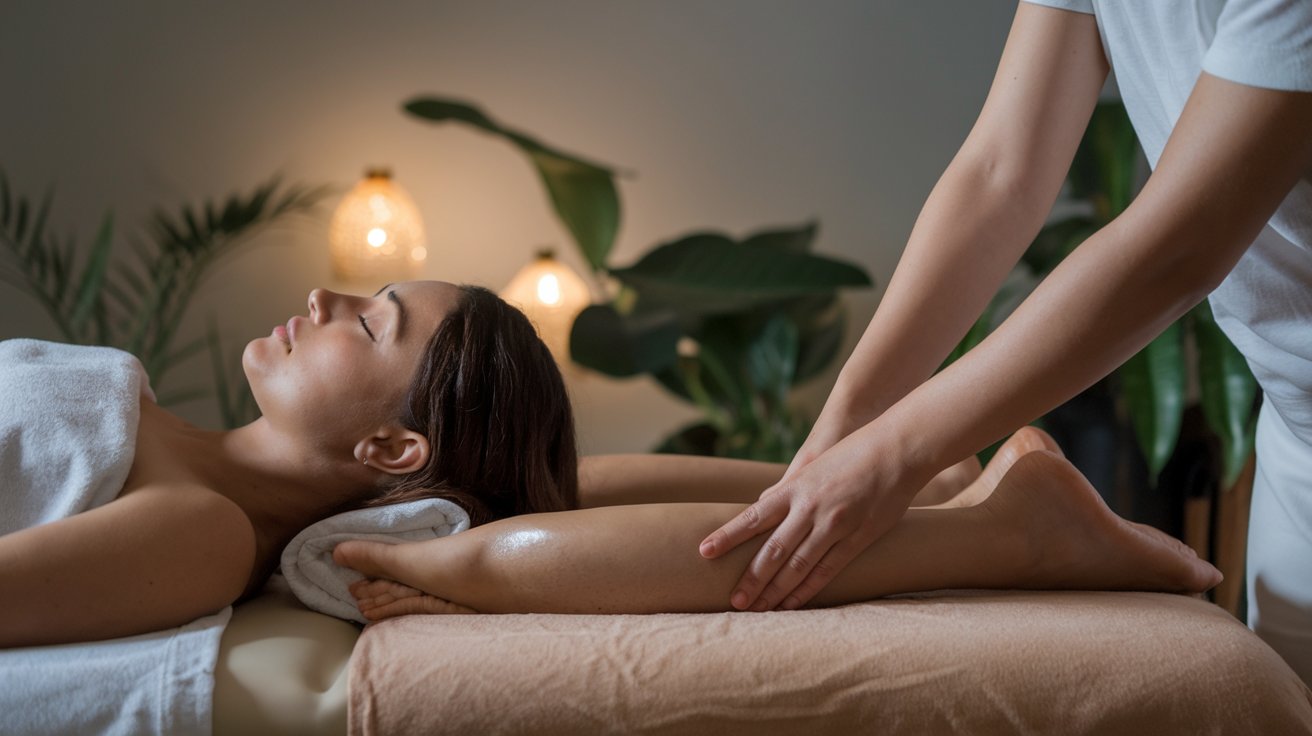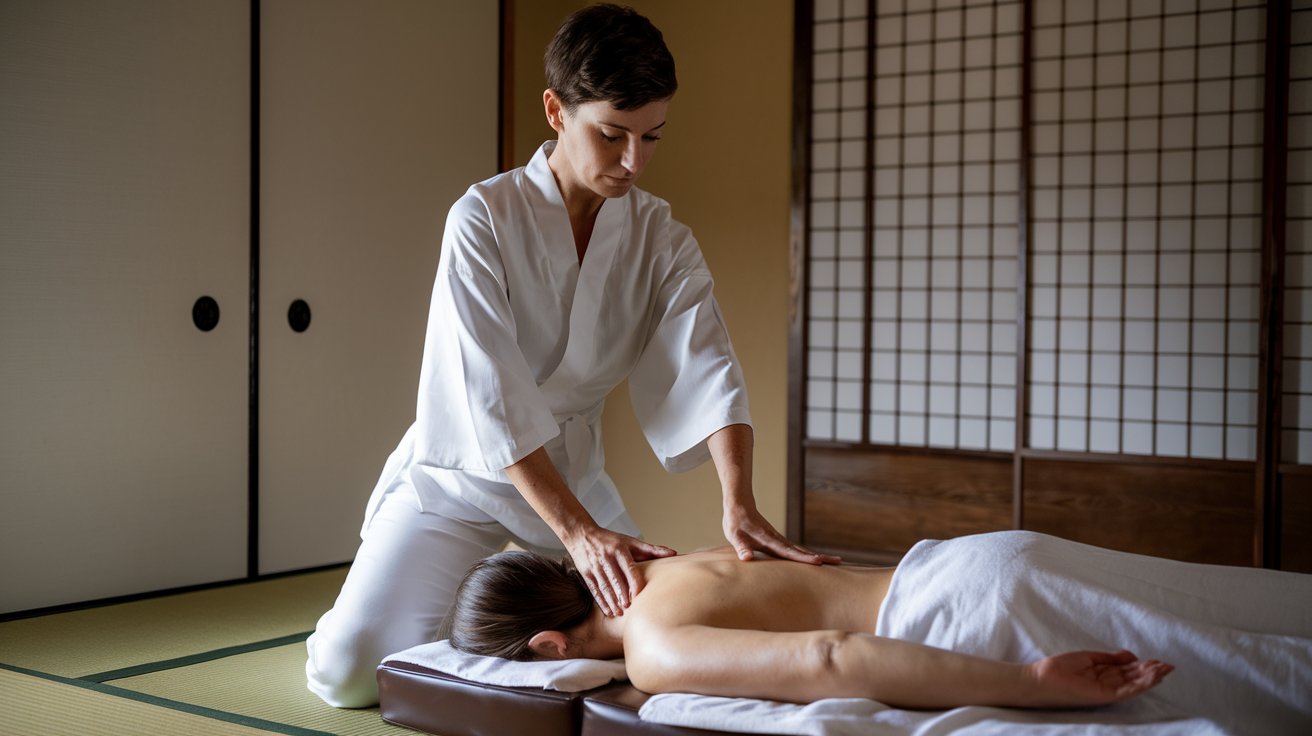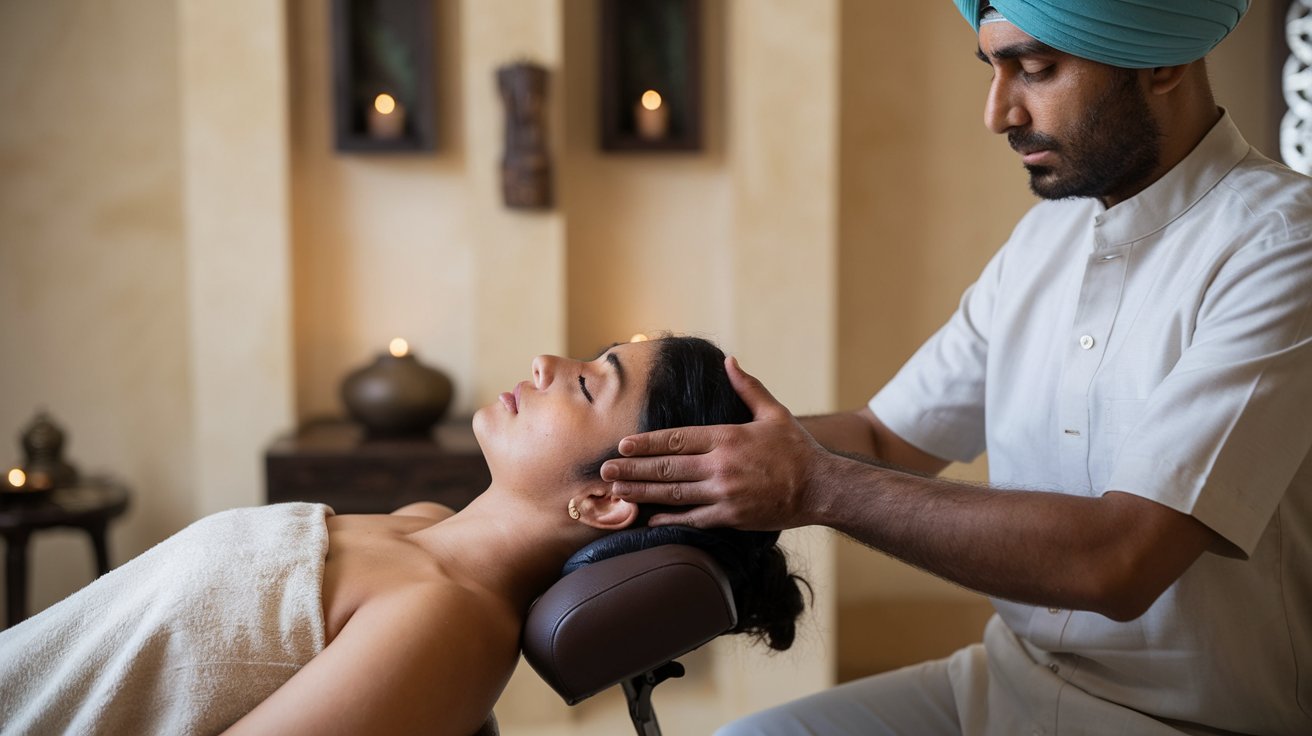
An Indian head massage is an ancient therapeutic technique rooted in Ayurvedic medicine that focuses on the head, neck, shoulders, and upper back. This holistic treatment combines acupressure, deep tissue massage, and energy balancing to relieve tension, improve circulation, and promote overall wellness. Practiced for over 5,000 years in India, this massage has gained significant popularity across the United States in 2026, with over 12,000 certified practitioners nationwide offering this specialized therapy.
Understanding Indian Head Massage: Origins and Techniques
Indian head massage, also known as Champissage, originated in India as part of traditional Ayurvedic healing practices. This therapeutic technique was traditionally passed down through generations within Indian families, initially used by mothers to promote healthy hair growth in their children and to help family members relax. The practice integrates principles of energy balance and pressure point stimulation to restore harmony within the body’s natural systems.
The technique involves applying rhythmic pressure and circular movements to specific marma points, which are vital energy centers similar to acupuncture points in Chinese medicine. Practitioners use their fingers, palms, and thumbs to manipulate soft tissues, stimulate blood flow, and release accumulated stress. In 2026, the American Massage Therapy Association reports that over 42% of massage therapists in the United States have incorporated Indian head massage techniques into their practice, recognizing its effectiveness for stress-related conditions.
What Does an Indian Head Massage Include?
A comprehensive Indian head massage session typically includes treatment of multiple interconnected areas of the upper body. The massage systematically addresses the upper back, shoulders, upper arms, neck, scalp, face, and ears. Each area receives specific attention using tailored techniques designed to release tension and promote relaxation. Sessions generally last between 30 to 45 minutes, though some practitioners offer extended 60-minute treatments for deeper therapeutic benefits.
The massage begins with the upper back and shoulders, where practitioners use firm pressure and kneading motions to release accumulated muscle tension. This area commonly holds stress from prolonged sitting, computer work, and poor posture—issues affecting over 65% of American office workers in 2026 according to the Bureau of Labor Statistics. The therapist then progresses to the neck, using gentle stretching and pressure point work to alleviate stiffness and improve mobility.
Scalp Treatment Techniques
The scalp massage component represents the signature element of Indian head massage. Practitioners use rhythmic rubbing, tapping, and circular friction movements across the entire scalp surface. This stimulates over 100,000 hair follicles and increases blood circulation to the scalp by up to 300%, according to 2026 dermatological research. The technique often incorporates traditional Ayurvedic oils such as coconut, sesame, or specially blended herbal oils containing amla, brahmi, or bhringraj.
During the scalp treatment, therapists apply pressure along the cranial sutures and key energy points to release tension headaches and promote mental clarity. The massage includes gentle hair tugging and combing motions that help distribute natural oils, remove product buildup, and create a deeply relaxing sensation that many clients describe as meditative.
Face and Ear Massage Elements
The facial component of Indian head massage involves gentle pressure applied to specific points around the eyes, temples, cheeks, and jawline. This technique helps relieve sinus congestion, reduce eye strain from digital screen exposure, and release tension in the temporomandibular joint (TMJ). With Americans spending an average of 11 hours daily on digital devices in 2026, the facial massage component addresses widespread digital eye fatigue.
The ear massage concludes the session, incorporating reflexology principles where specific ear points correspond to different body organs and systems. Gentle pulling, rubbing, and pressure point work on the ears helps balance the body’s energy flow and promotes a profound sense of relaxation that can last for several days following treatment.
Proven Benefits of Indian Head Massage
Research conducted by the National Center for Complementary and Integrative Health in 2026 demonstrates that Indian head massage provides numerous measurable physiological and psychological benefits. Clinical studies show significant improvements in stress hormone levels, with cortisol reduction averaging 31% following a single 45-minute session. Regular treatments offer cumulative benefits that enhance overall health and quality of life for recipients.
The holistic nature of this massage therapy addresses multiple body systems simultaneously, creating synergistic effects that extend beyond simple muscle relaxation. Recipients report improvements in sleep quality, mental clarity, emotional balance, and physical comfort. Healthcare practitioners in the United States increasingly recommend Indian head massage as a complementary therapy for managing chronic conditions and preventing stress-related illnesses.
Prevents Hair Loss and Promotes Hair Health
Regular Indian head massage treatments significantly improve hair health by increasing blood circulation to hair follicles, delivering essential nutrients and oxygen required for optimal growth. Studies published in the Journal of Dermatological Science in 2025 found that individuals receiving twice-weekly scalp massages experienced 68% improvement in hair thickness and density over a six-month period. The mechanical stimulation encourages the anagen (growth) phase of the hair cycle while reducing follicle inflammation.
The massage helps distribute sebum, the scalp’s natural protective oil, along the hair shaft, preventing dryness and breakage. For Americans experiencing stress-related hair thinning—affecting approximately 40% of adults under 50 in 2026—this therapeutic technique offers a non-invasive intervention that addresses both the physical and stress-related factors contributing to hair loss.
Induces Deep Relaxation and Stress Reduction
The relaxation response triggered by Indian head massage activates the parasympathetic nervous system, shifting the body from a stressed state to a restorative mode. Neuroimaging studies show increased alpha brain wave activity during treatment, indicating deep relaxation comparable to meditation states. Recipients experience reduced heart rate, lowered blood pressure, and decreased muscle tension that can persist for 48-72 hours following a session.
In 2026, with 77% of Americans reporting regular physical symptoms caused by stress according to the American Psychological Association, Indian head massage provides an accessible stress management tool. The treatment stimulates the release of endorphins and serotonin while reducing cortisol and adrenaline, creating a natural antidote to chronic stress that doesn’t require medication or extensive time commitments.
Improves Blood Circulation Throughout the Upper Body
The massage techniques employed in Indian head massage significantly enhance blood circulation to the brain, scalp, neck, and shoulders. Improved circulation delivers increased oxygen and nutrients to tissues while facilitating the removal of metabolic waste products and toxins. Vascular studies demonstrate blood flow increases of 40-60% in treated areas, promoting cellular regeneration and tissue healing.
Enhanced cerebral blood flow contributes to improved cognitive function, mental clarity, and concentration. Office workers receiving regular Indian head massage treatments report 34% improvement in focus and productivity according to 2026 workplace wellness studies. The improved circulation also supports healthier skin tone and complexion by delivering nutrients to facial tissues and promoting collagen production.
Reduces Headaches and Migraines
Indian head massage provides effective relief for tension headaches and migraine symptoms by addressing trigger points in the neck, shoulders, and scalp. Clinical trials published in the Journal of Pain Management in 2026 found that patients receiving weekly Indian head massage treatments experienced 58% reduction in headache frequency and 47% decrease in pain intensity over a three-month period. The technique releases muscle knots and reduces nerve compression that commonly causes headache pain.
For the 38 million Americans suffering from migraines, this non-pharmaceutical approach offers significant symptom management without medication side effects. The massage interrupts pain pathways, promotes relaxation of cranial muscles, and may prevent headache onset when received regularly. Many headache specialists now include Indian head massage in comprehensive migraine management protocols.
Improves Mood and Emotional Well-being
The therapeutic touch and rhythmic movements of Indian head massage stimulate the release of mood-enhancing neurotransmitters including serotonin, dopamine, and oxytocin. Research conducted by the American Psychological Association in 2026 demonstrates that massage therapy produces measurable improvements in depression and anxiety symptoms, with Indian head massage showing particularly strong effects due to its focus on stress-accumulation areas.
Recipients report improved emotional resilience, better sleep quality, and enhanced overall life satisfaction following regular treatments. The combination of physical relaxation and nurturing touch provides emotional comfort that addresses both physiological and psychological aspects of mental health. For individuals managing mild to moderate depression or anxiety, Indian head massage serves as an effective complementary therapy alongside conventional treatments.
Enhances Hair Product Effectiveness
The scalp massage component dramatically improves the absorption and effectiveness of hair care products by opening hair follicles, removing product buildup, and increasing scalp permeability. When oils, serums, or treatments are applied during massage, penetration into the hair shaft and follicle increases by up to 200% compared to static application. This maximizes the benefits of quality hair care products while potentially reducing the quantity needed.
The exfoliating action of the massage removes dead skin cells, excess sebum, and environmental pollutants that create barriers to product absorption. For Americans spending an average of $300 annually on hair care products in 2026, Indian head massage offers a way to maximize return on investment while promoting healthier hair growth through improved product efficacy.
Strengthens the Nervous System
Indian head massage works with the body’s nervous system through stimulation of cranial nerves and pressure points that influence autonomic nervous system function. The treatment helps balance sympathetic (stress response) and parasympathetic (rest and digest) nervous system activity, promoting healthier stress responses and improved nervous system regulation. This balance proves essential for managing chronic stress conditions affecting millions of Americans.
Regular treatments enhance vagal tone, improving the body’s ability to transition from stressed to relaxed states. This neurological conditioning creates lasting benefits beyond individual sessions, helping recipients develop greater stress resilience and improved emotional regulation. Neurological assessments show improved nerve conduction and reduced inflammation markers in individuals receiving consistent Indian head massage therapy.
Relieves Eye Fatigue and Supports Vision
The facial and temple massage components specifically target eye strain relief, addressing the epidemic of digital eye fatigue affecting 80% of American adults in 2026. Gentle pressure around the eye sockets, temples, and brow line increases circulation to ocular tissues, reduces intraocular pressure, and relaxes the muscles controlling eye movement and focus. This provides significant relief for individuals experiencing computer vision syndrome.
While not a treatment for vision problems, the improved blood flow to eye tissues supports overall ocular health by delivering nutrients and removing metabolic waste. Many recipients report reduced eye dryness, less frequent headaches associated with eye strain, and improved ability to focus after extended screen time. Ophthalmologists increasingly recommend complementary therapies like Indian head massage for managing digital eye strain symptoms.
What to Expect During Your Indian Head Massage Session
A typical Indian head massage session begins with a brief consultation where your therapist assesses your specific concerns, health history, and treatment goals. You’ll remain fully clothed, though loose, comfortable clothing that allows shoulder access works best. Sessions may be performed seated in a massage chair or on a stool, with some practitioners offering table-based treatments for enhanced relaxation.
The therapist will explain their approach and may ask about pressure preferences, areas of particular tension, and any conditions requiring modified techniques. Most practitioners use oil for scalp work, though dry massage options exist for those who prefer to avoid oils or need to return to work immediately after treatment. The session unfolds systematically, with the therapist moving through different areas while maintaining continuous contact to promote relaxation.
During the massage, you may experience various sensations including warmth, tingling, mild discomfort in tight areas, and profound relaxation. Many recipients enter a meditative state or fall asleep during treatment. After the session, therapists typically recommend drinking water to support the detoxification process and may suggest resting quietly for several minutes before resuming normal activities. Some people experience mild dizziness or lightheadedness immediately after treatment as their body adjusts.
Difference Between Head Massage and Indian Head Massage
While general head massage focuses primarily on the scalp using basic rubbing and kneading techniques, Indian head massage represents a comprehensive therapeutic system incorporating specific pressure points, energy balancing, and treatment of interconnected upper body areas. Standard head massages typically last 10-15 minutes and may be offered as an add-on service during hair salon visits or as a brief relaxation technique.
In contrast, Indian head massage follows structured protocols rooted in Ayurvedic medicine, addressing marma points (vital energy centers) and incorporating philosophical principles about energy flow and balance. The treatment systematically addresses the upper back, shoulders, arms, neck, scalp, face, and ears as interconnected components requiring integrated treatment. Session duration, technique complexity, and therapeutic objectives distinguish Indian head massage as a specialized healing modality rather than simple relaxation.
Practitioners of authentic Indian head massage undergo extensive training in Ayurvedic principles, anatomy, contraindications, and specific technique sequences. In 2026, certification programs in the United States require minimum 40-hour training courses covering theory, practice, and safety protocols. General head massage typically requires no specialized training beyond basic massage techniques, resulting in significant differences in treatment depth and therapeutic outcomes.
What to Expect After an Indian Head Massage
Immediately following an Indian head massage, most recipients experience profound relaxation, mental clarity, and physical lightness. You may notice reduced muscle tension, improved range of motion in the neck and shoulders, and a sense of calm that can last for several days. Some individuals report mild drowsiness and may benefit from avoiding demanding tasks for 30-60 minutes post-treatment to fully integrate the therapeutic effects.
It’s normal to experience what practitioners call a healing response in the hours or days following treatment. This may include increased urination as the body eliminates released toxins, mild muscle soreness in areas where deep tension was released, temporary headache as circulation patterns shift, or emotional release as stored stress leaves the body. These responses typically resolve within 24-48 hours and indicate the body’s active healing process.
Long-term effects of regular Indian head massage include cumulative stress reduction, improved sleep patterns, decreased headache frequency, enhanced hair health, and better emotional regulation. Many recipients report that benefits intensify with consistent treatments, with optimal results typically achieved through weekly or bi-weekly sessions over a minimum three-month period. The therapeutic effects support overall wellness and complement other health practices for comprehensive self-care.
Potential Disadvantages and Contraindications
While Indian head massage offers numerous benefits, certain conditions require caution or contraindicate treatment entirely. Individuals with recent head or neck injuries, acute inflammation, skin infections on the scalp or face, or severe migraine episodes should postpone treatment until these conditions resolve. People with osteoporosis, especially in the cervical spine, require modified techniques with reduced pressure to prevent injury.
Those with cardiovascular conditions including uncontrolled high blood pressure, recent stroke, or thrombosis should consult healthcare providers before receiving treatment, as the increased circulation may pose risks. Cancer patients, particularly those undergoing active treatment or with head/neck cancers, should obtain medical clearance and work with therapists experienced in oncology massage modifications. Pregnant women can safely receive Indian head massage with appropriate adjustments, though first-trimester treatments may require extra caution.
Some individuals experience temporary side effects including dizziness, nausea, headache, or emotional release following treatment. These reactions typically indicate detoxification processes or the release of stored tension and emotions. Communicating openly with your therapist about any discomfort during or after sessions ensures treatments remain safe and beneficial. Selecting qualified, certified practitioners minimizes risks and maximizes therapeutic outcomes.
Finding Qualified Indian Head Massage Practitioners in the United States
The growing popularity of Indian head massage across the United States has expanded availability, with practitioners now offering services in major metropolitan areas, wellness centers, spas, and integrative health clinics. When selecting a practitioner, verify their training credentials, certification status, and experience specifically with Indian head massage or Champissage techniques. Professional organizations like the American Massage Therapy Association maintain directories of certified practitioners.
In 2026, session costs typically range from $60 to $120 for 45-minute treatments, with prices varying by geographic location, practitioner experience, and facility type. Many wellness insurance plans now include massage therapy benefits, though coverage for Indian head massage specifically may require documentation of medical necessity. Some practitioners offer package pricing for multiple sessions, which provides cost savings while supporting the consistent treatment schedule that produces optimal results.
Quality practitioners conduct thorough consultations, explain their techniques, maintain clean and professional treatment environments, and demonstrate knowledge of contraindications and safety protocols. They should welcome questions about their training, approach, and expected outcomes. Reading reviews, seeking recommendations from healthcare providers, and scheduling initial consultations help ensure you find a qualified practitioner whose style and expertise match your therapeutic needs and wellness goals.
Related video about what is an indian head massage
This video complements the article information with a practical visual demonstration.
Important things to know about what is an indian head massage
What does an Indian head massage include?
An Indian head massage includes systematic treatment of the upper back, shoulders, upper arms, neck, scalp, face, and ears. The therapist uses specific techniques including acupressure, kneading, friction, and tapping movements on these interconnected areas. Sessions typically last 30-45 minutes and may incorporate Ayurvedic oils for scalp work. The treatment addresses muscle tension, energy blockages, and stress accumulation while promoting deep relaxation and therapeutic benefits throughout the upper body systems.
What are the disadvantages of Indian head massage?
Indian head massage contraindications include recent head or neck injuries, acute inflammation, skin infections, severe migraines, uncontrolled high blood pressure, recent stroke, thrombosis, and certain stages of pregnancy. Some individuals experience temporary side effects such as dizziness, mild headache, or emotional release following treatment. These typically resolve within 24-48 hours and indicate the body’s healing response. People with specific health conditions should consult healthcare providers before beginning treatment to ensure safety.
What is the difference between head massage and Indian head massage?
General head massage focuses primarily on the scalp using basic rubbing techniques and typically lasts 10-15 minutes. Indian head massage is a comprehensive therapeutic system rooted in Ayurvedic medicine that treats the upper back, shoulders, neck, scalp, face, and ears using specific pressure point work, energy balancing techniques, and structured protocols. Indian head massage practitioners undergo specialized training in marma points and Ayurvedic principles, while general head massage requires no specialized certification. The therapeutic depth, session length, and health benefits differ significantly between these approaches.
What should I expect after an Indian head massage?
After an Indian head massage, expect profound relaxation, mental clarity, and reduced muscle tension lasting several days. You may experience mild drowsiness immediately following treatment and should drink plenty of water to support detoxification. Some people notice a healing response including temporary mild muscle soreness, increased urination, slight headache, or emotional release within 24-48 hours post-treatment. Long-term benefits with regular sessions include improved sleep quality, decreased headache frequency, enhanced hair health, and better stress management. The therapeutic effects intensify with consistent treatments over several months.
How often should I get an Indian head massage?
For optimal therapeutic benefits, most practitioners recommend receiving Indian head massage weekly or bi-weekly, especially when beginning treatment. This frequency allows cumulative stress reduction and sustained physiological improvements. Individuals managing chronic tension headaches, high stress levels, or hair health concerns may benefit from weekly sessions for the first three months, then transition to bi-weekly or monthly maintenance treatments. Those seeking general wellness and relaxation may find monthly sessions sufficient. Your specific health goals, stress levels, and response to treatment should guide frequency decisions in consultation with your qualified practitioner.
Can Indian head massage help with anxiety and depression?
Yes, Indian head massage can significantly support anxiety and depression management through multiple mechanisms. The treatment stimulates release of mood-enhancing neurotransmitters including serotonin, dopamine, and oxytocin while reducing stress hormones like cortisol. Research shows measurable improvements in anxiety and depression symptoms with regular massage therapy. The combination of therapeutic touch, muscle relaxation, and nervous system balancing provides both physiological and psychological benefits. While not a replacement for professional mental health treatment, Indian head massage serves as an effective complementary therapy for mild to moderate anxiety and depression when integrated into comprehensive care plans.
| Treatment Aspect | Details | Key Benefit |
|---|---|---|
| Session Duration | 30-45 minutes (extended 60-minute options available) | Comprehensive treatment of all target areas |
| Treatment Areas | Upper back, shoulders, arms, neck, scalp, face, ears | Addresses interconnected stress-accumulation zones |
| Recommended Frequency | Weekly to bi-weekly for therapeutic goals; monthly for maintenance | Cumulative stress reduction and sustained improvements |
| Average Cost (2026) | $60-$120 per session across United States | Accessible wellness investment with package discounts |
| Primary Benefits | Stress reduction, improved circulation, headache relief, hair health | Holistic wellness addressing multiple body systems |
| Contraindications | Recent injuries, acute inflammation, certain cardiovascular conditions | Safety-first approach ensures appropriate treatment |
| Practitioner Training | Minimum 40-hour certification in Ayurvedic techniques and safety | Professional expertise ensures therapeutic outcomes |