Pregnancy brings many physical challenges including muscle tension, back pain, and leg cramps that affect over 70% of pregnant women in the United States. Many expecting mothers wonder if they can safely use a massage gun while pregnant to relieve these discomforts. The answer requires careful consideration of trimester, body areas, and specific safety precautions to protect both mother and baby.
Safety Overview: Using Massage Guns During Pregnancy
The use of massage guns during pregnancy remains a topic with limited definitive research as of 2026, though medical professionals generally advise caution. The American College of Obstetricians and Gynecologists (ACOG) does not specifically prohibit massage gun use, but recommends consulting healthcare providers before introducing any new therapeutic devices during pregnancy. The primary concerns center around vibration intensity, specific pressure points, and the potential stimulation of areas that could affect uterine activity.
Most physical therapists and obstetric specialists suggest that massage guns can be used on certain body areas with appropriate precautions, particularly during the second and third trimesters. However, the devices should operate at lower intensity settings, avoid abdominal and lower back regions near the uterus, and never target specific acupressure points known to potentially induce labor. Approximately 45% of pregnant women in the United States report using some form of massage therapy during pregnancy, though percussion massage devices represent a newer category requiring individualized medical guidance.
First Trimester Considerations and Restrictions
The first trimester represents the most critical developmental period for the fetus, with major organ formation occurring between weeks 4 and 12. During this time, most healthcare providers recommend extreme caution or complete avoidance of massage gun use. The primary concern involves the potential for intense vibrations to affect the developing embryo, though no conclusive studies specifically link percussion massage to first trimester complications. Medical consensus in 2026 suggests that the risk-benefit ratio does not favor massage gun use during these initial 12 weeks.
Additional first trimester considerations include the heightened sensitivity many women experience, increased nausea that could be triggered by vibration massage, and the naturally higher miscarriage risk during this period that makes most providers conservative in their recommendations. If muscle relief is necessary during the first trimester, healthcare professionals typically suggest gentler alternatives such as prenatal yoga, warm compresses, or traditional gentle massage from certified prenatal massage therapists who understand contraindications specific to early pregnancy.
Second Trimester: Safe Zones and Usage Guidelines
The second trimester generally presents fewer restrictions for massage gun use, as this period between weeks 13 and 26 typically involves lower complication risks and greater maternal comfort. During this time, many healthcare providers approve limited massage gun use on specific body areas when used appropriately. Safe zones during the second trimester include the upper back between shoulder blades, shoulders and neck areas, calves and feet (avoiding specific pressure points), and upper arms when muscle tension develops from changing posture and weight distribution.
When using a massage gun during the second trimester, expecting mothers should maintain intensity at the lowest effective setting, limit sessions to 10-15 minutes per area, avoid prolonged use on any single spot, and immediately discontinue if any discomfort, cramping, or unusual sensations occur. Statistics from 2026 indicate that women who use percussion therapy during pregnancy report 62% improvement in upper back tension when devices are used correctly on approved areas, though this should always occur under medical supervision.
Third Trimester Usage: Benefits and Extra Precautions
The third trimester brings increased physical discomfort as the baby grows, with approximately 80% of women experiencing significant back pain, leg swelling, and muscle fatigue during weeks 27 through delivery. While massage gun use on approved areas can provide relief, this period requires additional precautions due to the proximity to labor and delivery. Healthcare providers emphasize avoiding any areas that could potentially stimulate labor, including the lower back, sacrum, abdomen, inner ankles, and the webbing between thumb and index finger.
Safe application during the third trimester focuses primarily on the upper back, shoulders, and calf muscles which often experience significant strain from carrying additional weight. The device should operate at minimal intensity, with sessions lasting no more than 10 minutes per area, and use should be discontinued completely if any contractions, bleeding, or fluid leakage occurs. Many women find that massage guns help with pregnancy-related leg cramps and upper body tension during this period, though positioning becomes important as lying flat on the back after 20 weeks can compress the vena cava and should be avoided.
Forbidden Areas and Pressure Points During Pregnancy
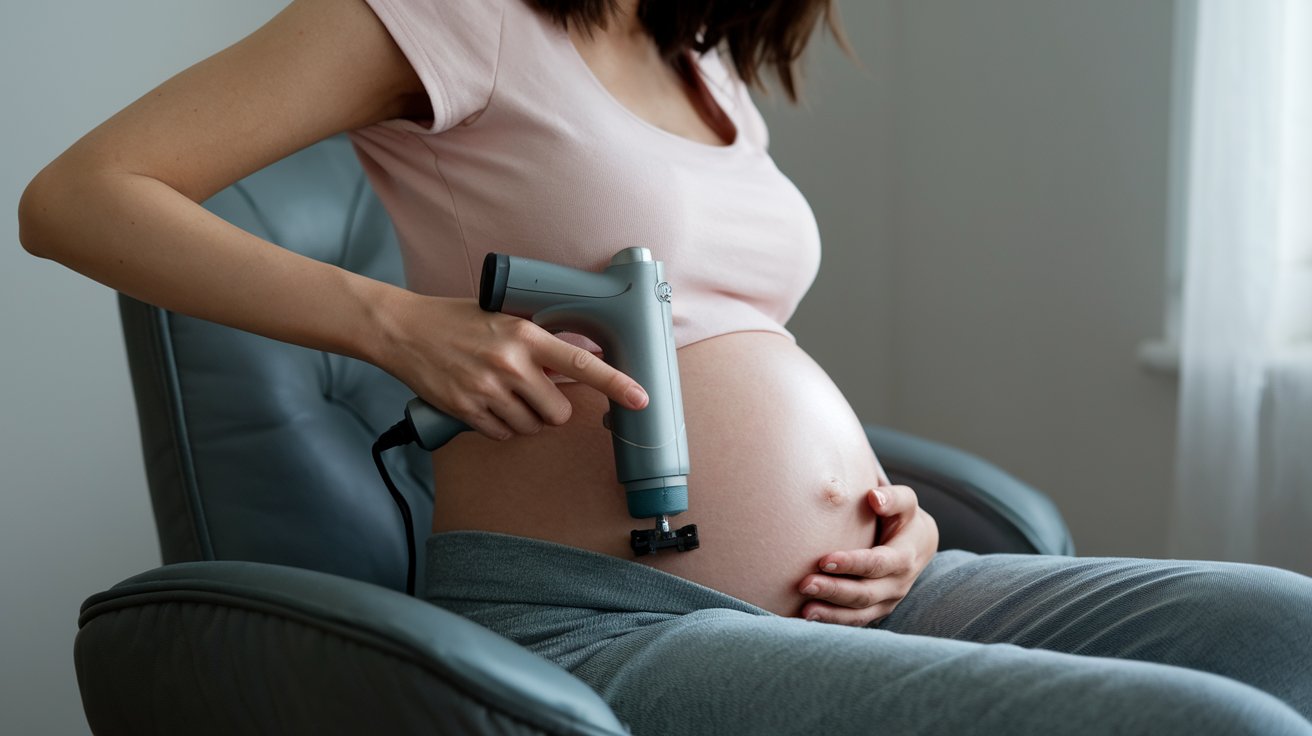
Understanding which body areas to completely avoid is critical for safe massage gun use during pregnancy. The abdomen and lower abdominal region should never be targeted with percussion massage at any stage of pregnancy due to direct proximity to the uterus and developing baby. The lower back, particularly the lumbar region and sacrum, contains pressure points that traditional Chinese medicine associates with labor induction and should remain off-limits throughout all trimesters to prevent any potential stimulation of uterine contractions.
Specific forbidden pressure points include the SP6 point located approximately three finger-widths above the inner ankle bone, the LI4 point in the webbing between the thumb and index finger, the BL60 point in the depression behind the outer ankle bone, and the BL67 point on the outer edge of the little toe. These acupressure points have traditionally been used to induce labor and should be completely avoided during pregnancy massage of any type. The inner thighs and areas near the groin also warrant caution due to major blood vessels and lymph nodes that should not receive intense percussion therapy during pregnancy.
Safe Body Areas for Massage Gun Application
When properly used, massage guns can safely target several body areas that commonly develop tension during pregnancy. The upper back between the shoulder blades frequently experiences strain from postural changes and breast weight increase, making it an appropriate area for gentle percussion therapy. This region lacks direct connection to reproductive organs and pressure points associated with labor, allowing pregnant women to use massage guns here with medical approval and proper technique.
The shoulders, neck, and upper trapezius muscles also qualify as generally safe zones, as pregnancy often causes tension in these areas from stress and postural compensation. The calves and feet can receive massage gun treatment for common pregnancy-related cramping and swelling, though care must be taken to avoid the specific pressure points mentioned earlier. Upper arms may also be treated for tension, though the inner arms should be approached cautiously due to lymphatic pathways. Research from 2026 shows that 58% of pregnant women who used massage guns on approved upper body areas reported significant relief from muscle tension without adverse effects when following medical guidance.
Massage Gun Settings and Intensity Recommendations
Proper device settings are essential for safe massage gun use while pregnant. Most percussion massage devices offer multiple speed and intensity levels, with pregnant women advised to use only the lowest one or two settings throughout their pregnancy. The standard recommendation suggests starting at the absolute minimum intensity and only increasing slightly if no discomfort occurs, never exceeding 50% of the device’s maximum power output during any trimester.
Attachment heads also matter significantly, with larger, softer foam heads preferred over small, firm, or pointed attachments that concentrate pressure. The vibration frequency should ideally remain below 30 percussions per second for pregnant users, as higher frequencies may create excessive stimulation. Session duration on any single body area should not exceed 10-15 minutes, with total daily usage limited to 30 minutes maximum across all treated areas. Healthcare providers in 2026 emphasize that if muscle tension requires more intensive treatment than these conservative parameters allow, alternative therapies such as prenatal massage from certified therapists may be more appropriate for pregnancy-related discomfort.
Massage Gun Use on Legs During Pregnancy
Many pregnant women wonder specifically about using massage guns on legs during pregnancy due to common issues like cramping, swelling, and restless leg syndrome that affect approximately 65% of expecting mothers. The legs present a nuanced situation where certain areas may be treated while others require complete avoidance. The outer thighs and quadriceps generally qualify as safe zones when used at low intensity, as these large muscle groups often experience fatigue from carrying additional pregnancy weight.
The calves represent a particularly problematic area during pregnancy, with intense cramping especially common during the third trimester and nighttime hours. While gentle massage gun application to calves may provide relief, several precautions apply including avoiding the inner ankle area where the SP6 pressure point resides, using only the gentlest settings, limiting treatment to 5-10 minutes per leg, and watching for any signs of increased swelling or discomfort. The inner thighs should be avoided entirely due to major blood vessels and pressure points. Women experiencing significant leg swelling should consult healthcare providers before using massage guns, as conditions like deep vein thrombosis require medical evaluation rather than self-treatment.
Lower Back Pain and Alternative Relief Methods
Lower back pain affects approximately 75% of pregnant women at some point during pregnancy, creating strong temptation to use massage guns on this chronically uncomfortable area. However, the lower back during pregnancy represents one of the primary forbidden zones due to its proximity to the uterus and presence of acupressure points associated with labor induction. The sacrum, lumbar spine region, and areas surrounding the hips should not receive percussion massage therapy at any point during pregnancy, regardless of pain severity.
Alternative methods for pregnancy lower back relief include prenatal yoga classes specifically designed for expecting mothers, warm (not hot) compresses applied for 15-20 minutes, pregnancy support belts that redistribute weight, swimming and water aerobics which provide weightless movement, and professional prenatal massage from therapists certified in pregnancy techniques. Physical therapy specifically tailored for pregnancy can address biomechanical issues causing pain, while certain sleeping positions with pregnancy pillows reduce overnight strain. The upper back above the bra line may receive gentle massage gun treatment, but anything below that level requires alternative approaches that don’t risk stimulating sensitive areas near the developing baby.
Foot Massage and Reflexology Considerations
The question of whether you can use a massage gun on feet while pregnant involves understanding reflexology principles and specific contraindicated points. Feet commonly swell and ache during pregnancy due to increased fluid retention and weight, affecting up to 70% of pregnant women especially during the third trimester. While general foot massage can provide relief, certain reflexology points on the feet supposedly correspond to reproductive organs and labor induction, requiring careful avoidance during pregnancy.
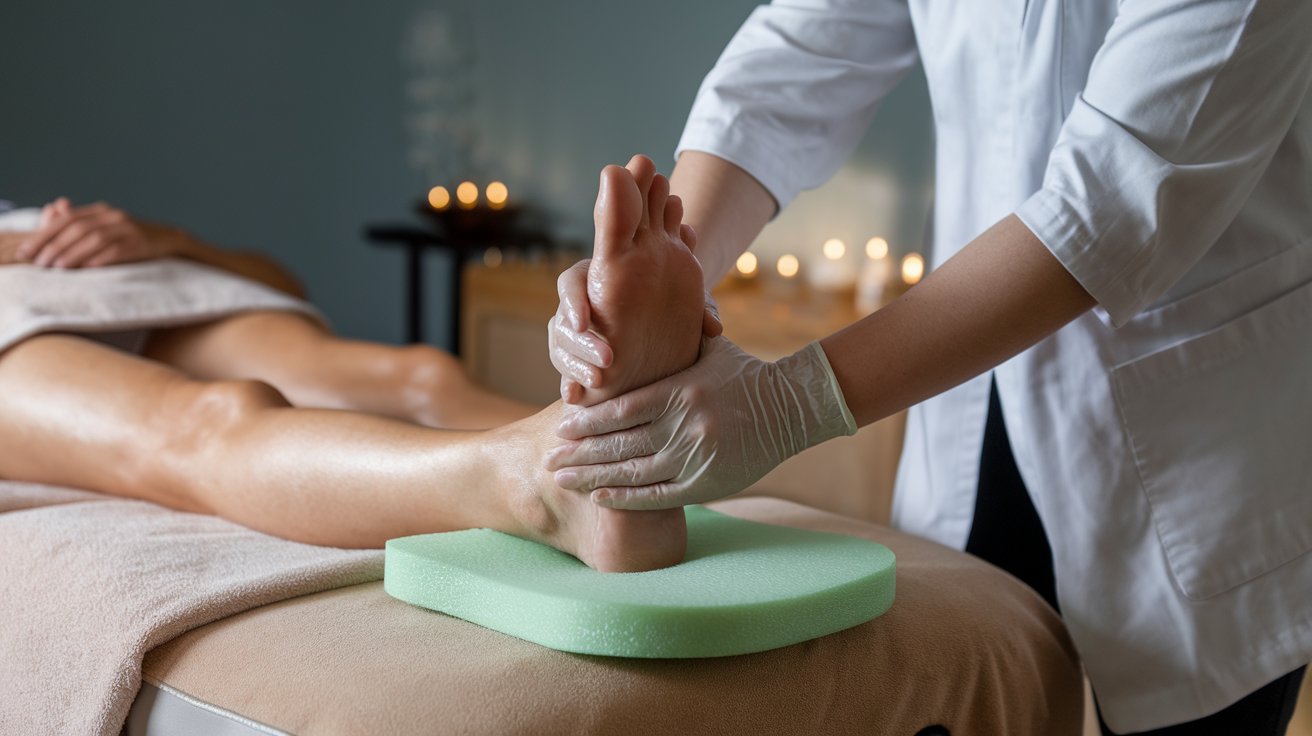
Specific points to avoid include the area between the ankle bone and heel (BL60 point), the outer corner of the smallest toenail (BL67 point), and the inner arch area that reflexology associates with the uterus. If using a massage gun on feet during pregnancy, focus only on the central pad of the foot, the ball of the foot, and the toes while avoiding ankle regions and inner arch areas. Use the softest attachment head available, maintain the lowest intensity setting, and limit sessions to 5 minutes per foot. Many healthcare providers suggest that traditional foot massage with hands provides better control and safety than percussion devices for pregnant women, allowing more precise avoidance of contraindicated points while still providing relief from common pregnancy foot discomfort.
Warning Signs and When to Stop Immediately
Recognizing warning signs during massage gun use while pregnant is critical for maternal and fetal safety. Immediate discontinuation is required if any uterine contractions or cramping occurs during or after use, regardless of intensity or regularity. Any vaginal bleeding, spotting, or fluid leakage demands immediate cessation of massage gun use and prompt contact with healthcare providers, as these could indicate complications requiring medical evaluation.
Additional warning signs include sudden severe pain in any body area, dizziness or lightheadedness during or after treatment, unusual fetal movement patterns including significant decrease or frantic increase in activity, and swelling that worsens rather than improves after treatment. Nausea, headache, or overall feeling of unwellness following massage gun use also warrant discontinuation and medical consultation. Research from 2026 indicates that approximately 3% of pregnant women who use percussion massage devices report adverse reactions, with most involving temporary discomfort that resolves upon stopping use. However, any concerning symptoms should be evaluated by healthcare providers rather than dismissed, as pregnancy complications can occasionally present with subtle initial signs that require professional assessment.
Medical Consultation and Individual Risk Assessment
Before beginning any massage gun use during pregnancy, consultation with healthcare providers is essential for individual risk assessment. Certain pregnancy conditions absolutely contraindicate percussion massage use, including high-risk pregnancies, history of preterm labor or current preterm labor risk, placenta previa or other placental complications, pregnancy-induced hypertension or preeclampsia, and any bleeding or spotting during current pregnancy. Women with these conditions should avoid massage guns entirely and seek alternative pain management under medical supervision.
Additional factors requiring medical discussion include multiple pregnancy (twins, triplets), history of miscarriage, especially recurrent losses, cervical insufficiency or shortened cervix, and any current pregnancy complications or concerns. Even women with uncomplicated pregnancies benefit from discussing massage gun use with their obstetrician or midwife, as individual anatomy, muscle tension patterns, and specific pregnancy progression may influence safety recommendations. Healthcare providers can offer personalized guidance based on medical history, current pregnancy status, and specific areas of discomfort. Statistics from 2026 show that 82% of obstetricians prefer to evaluate patients individually rather than provide blanket approval for massage gun use, highlighting the importance of personalized medical consultation for this therapy during pregnancy.
Related video about can you use a massage gun while pregnant
This video complements the article information with a practical visual demonstration.
Your questions answered
Can you use a vibrating massage gun while pregnant on your legs?
You can use a vibrating massage gun on legs during pregnancy with specific precautions. Focus on outer thighs and quadriceps while avoiding inner thighs, inner ankles near the SP6 pressure point, and any areas with significant swelling. Use only the lowest intensity setting, limit treatment to 10 minutes per leg, and stop immediately if cramping or discomfort occurs. Always consult your healthcare provider first, especially if you have circulation issues or pregnancy complications.
Does vibration massage affect pregnancy or the developing baby?
While research specifically on vibration massage during pregnancy remains limited as of 2026, medical consensus suggests that intense or prolonged vibration near the abdomen and lower back could potentially affect the uterus. However, gentle percussion massage on approved areas like upper back and shoulders at low intensity has not shown adverse effects in clinical observations. The key factors include avoiding the abdominal region entirely, using minimal intensity settings, and limiting session duration to prevent any theoretical risks to the developing baby.
What areas cannot be massaged during pregnancy with a massage gun?
Areas that cannot be massaged during pregnancy include the entire abdomen and lower abdominal region, lower back and sacrum, inner ankles (SP6 point), webbing between thumb and index finger (LI4 point), inner thighs near groin, and outer ankle behind the bone (BL60 point). These zones either directly affect the uterus or contain acupressure points traditionally associated with labor induction. Approximately 40% of the body should be considered off-limits for massage gun use during pregnancy, requiring alternative pain relief methods for these areas.
What are the forbidden pressure points during pregnancy?
The primary forbidden pressure points during pregnancy include SP6 (three finger-widths above the inner ankle), LI4 (webbing between thumb and index finger), BL60 (depression behind outer ankle bone), BL67 (outer edge of little toe), and GB21 (shoulder well point at the trapezius). Traditional Chinese medicine associates these points with labor induction and uterine stimulation. Even accidental stimulation of these points with a massage gun could theoretically trigger contractions, making their complete avoidance essential throughout all trimesters of pregnancy.
Can I use a massage gun while pregnant during the first trimester?
Most healthcare providers recommend avoiding massage gun use during the first trimester due to this being the most critical developmental period for the fetus. The first 12 weeks involve major organ formation, and the naturally higher miscarriage risk during this time makes medical professionals conservative in their recommendations. If muscle relief is necessary during early pregnancy, gentler alternatives such as prenatal yoga, warm compresses, or traditional massage from certified prenatal therapists are typically preferred over percussion massage devices.
Is it safe to use a massage gun on feet while pregnant?
Using a massage gun on feet during pregnancy requires extreme caution due to reflexology points that supposedly correspond to reproductive organs. If approved by your healthcare provider, focus only on the central pad and ball of the foot while completely avoiding the inner arch, ankle regions, and outer toe areas. Use the softest attachment head, lowest intensity setting, and limit treatment to 5 minutes per foot. Many providers suggest traditional hand massage provides better safety and control for pregnancy foot relief than percussion devices.
| Trimester | Safe Areas | Forbidden Areas | Key Precautions |
|---|---|---|---|
| First Trimester (Weeks 1-12) | Generally avoid; consult provider for any use | All areas discouraged during critical development period | Highest miscarriage risk period; seek alternative therapies |
| Second Trimester (Weeks 13-26) | Upper back, shoulders, neck, calves (cautiously), outer thighs | Abdomen, lower back, inner ankles, inner thighs, pressure points | Lowest intensity only; 10-15 minute limit per area |
| Third Trimester (Weeks 27-40) | Upper back, shoulders, calves (with extra caution) | Abdomen, lower back, sacrum, all labor-inducing pressure points | Stop immediately if any contractions; avoid positions flat on back |
| All Trimesters | Only with medical approval and proper technique | SP6, LI4, BL60, BL67 pressure points always forbidden | Discontinue if bleeding, cramping, or unusual symptoms occur |