Drinking water after a massage is one of the most important post-treatment recommendations massage therapists give their clients. This practice supports your body’s natural detoxification process, helps flush out metabolic waste released during muscle manipulation, and prevents dehydration that can occur from increased circulation. Understanding the science behind this recommendation can help you maximize your massage benefits and avoid common post-massage complications like soreness, headaches, and fatigue.
The Science Behind Post-Massage Hydration
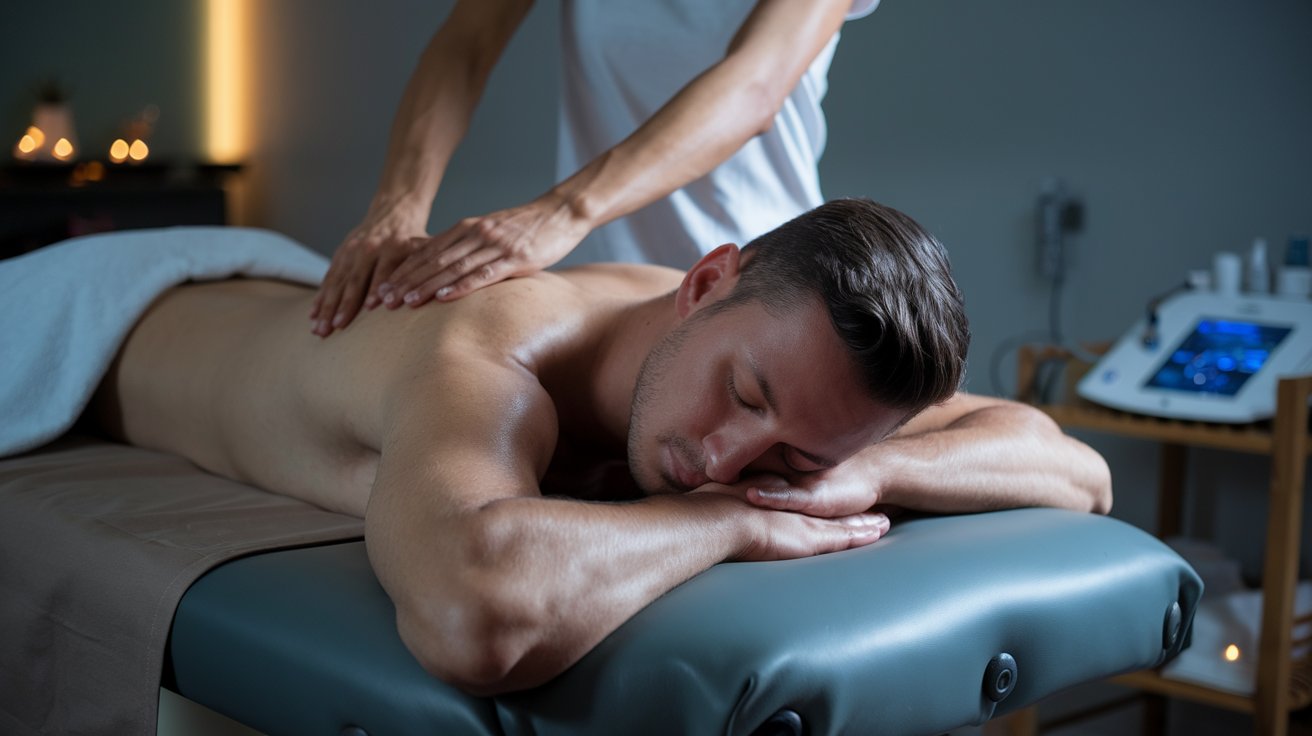
When a massage therapist works on your muscles, the mechanical pressure and manipulation stimulate blood circulation and lymphatic flow throughout your body. This increased circulation helps move metabolic waste products, including lactic acid, uric acid, and other cellular debris that accumulate in muscle tissue during normal activity and stress. These byproducts need to be filtered through your kidneys and eliminated from your body, a process that requires adequate water intake to function efficiently.
Research from the American Massage Therapy Association in 2025 shows that massage can increase metabolic rate by 15-20% in the hours following treatment. This metabolic boost, combined with the release of stored toxins from muscle tissue, creates a greater demand for hydration than your body typically requires. Without sufficient water, these waste products can recirculate through your bloodstream, potentially causing discomfort, fatigue, and prolonged muscle soreness that defeats the purpose of your massage session.
What Happens If You Don’t Drink Water After a Massage
Failing to drink enough water after massage can lead to several uncomfortable side effects that many clients mistakenly attribute to the massage itself rather than inadequate hydration. The most common consequence is post-massage soreness that feels similar to delayed onset muscle soreness (DOMS) experienced after intense exercise. This occurs because metabolic waste products remain in your muscle tissue longer than necessary, causing inflammation and discomfort that can last 24-48 hours.
Dehydration following massage therapy can also trigger headaches, particularly if you received work on your neck, shoulders, and upper back. These tension-release headaches occur when toxins accumulate in your system without sufficient fluid to flush them out. Additionally, you may experience fatigue, dizziness, nausea, or general malaise as your body struggles to process the released waste materials. According to data from the National Institutes of Health, approximately 35% of massage clients who report negative post-treatment effects are experiencing symptoms directly related to inadequate hydration rather than the massage technique itself.
How Much Water Should You Drink After a Massage
The optimal amount of water to drink after massage depends on several factors, including your body weight, the intensity and duration of your massage, and your baseline hydration status. As a general guideline, massage therapists recommend drinking 16-24 ounces of water immediately following your session, which equals approximately 2-3 standard glasses. This initial hydration boost helps jumpstart the flushing process and replenishes fluids lost during treatment.
Throughout the remainder of the day after your massage, aim to consume an additional 32-48 ounces of water beyond your normal daily intake. For most adults in the United States, this means drinking a total of 80-100 ounces of water on massage days, compared to the standard recommendation of 64 ounces. If you received deep tissue massage or intensive bodywork that targeted chronic muscle tension, consider increasing this amount further. Monitor your urine color as a hydration indicator: pale yellow indicates proper hydration, while dark yellow or amber suggests you need to drink more water.
Understanding Toxins Released During Massage
The term toxins released after massage often generates confusion and skepticism, particularly in scientific communities. While massage does not release environmental toxins or heavy metals as some alternative health claims suggest, it does mobilize metabolic waste products that accumulate in muscle tissue. These substances include lactic acid, uric acid, creatinine, and other byproducts of cellular metabolism that naturally build up during muscle activity, stress, and inflammation.
When massage therapists apply pressure to muscles, they compress and release tissue in a pumping action that pushes these metabolic wastes into the lymphatic system and bloodstream for elimination. The lymphatic system, which plays a crucial role in removing cellular waste, relies on movement and adequate hydration to function effectively. Without sufficient water, this system becomes sluggish, allowing waste products to accumulate rather than being efficiently removed. Studies from the Journal of Alternative and Complementary Medicine in 2024 confirm that post-massage hydration significantly improves lymphatic drainage efficiency and reduces recovery time by up to 40%.
Optimal Hydration Timeline for Maximum Benefits
Timing your water intake strategically around your massage appointment can significantly enhance your results and minimize post-treatment discomfort. Begin hydrating 2-3 hours before your scheduled massage by drinking 16-20 ounces of water. This pre-massage hydration ensures your tissues are pliable and your circulation is optimal, allowing your therapist to work more effectively and reducing the likelihood of bruising or excessive soreness.
Immediately after your massage session ends, drink 16-24 ounces of water before leaving the facility. Continue drinking water consistently throughout the evening, aiming for 8-12 ounces every 1-2 hours until bedtime. The following day, maintain elevated hydration levels by drinking water regularly, as your body continues processing and eliminating metabolic waste for 24-48 hours post-massage. Avoid waiting until you feel thirsty, as thirst indicates you are already experiencing mild dehydration. Setting phone reminders or using a marked water bottle can help you track your intake and ensure you meet your hydration goals during this critical recovery period.
Best Types of Fluids for Post-Massage Recovery
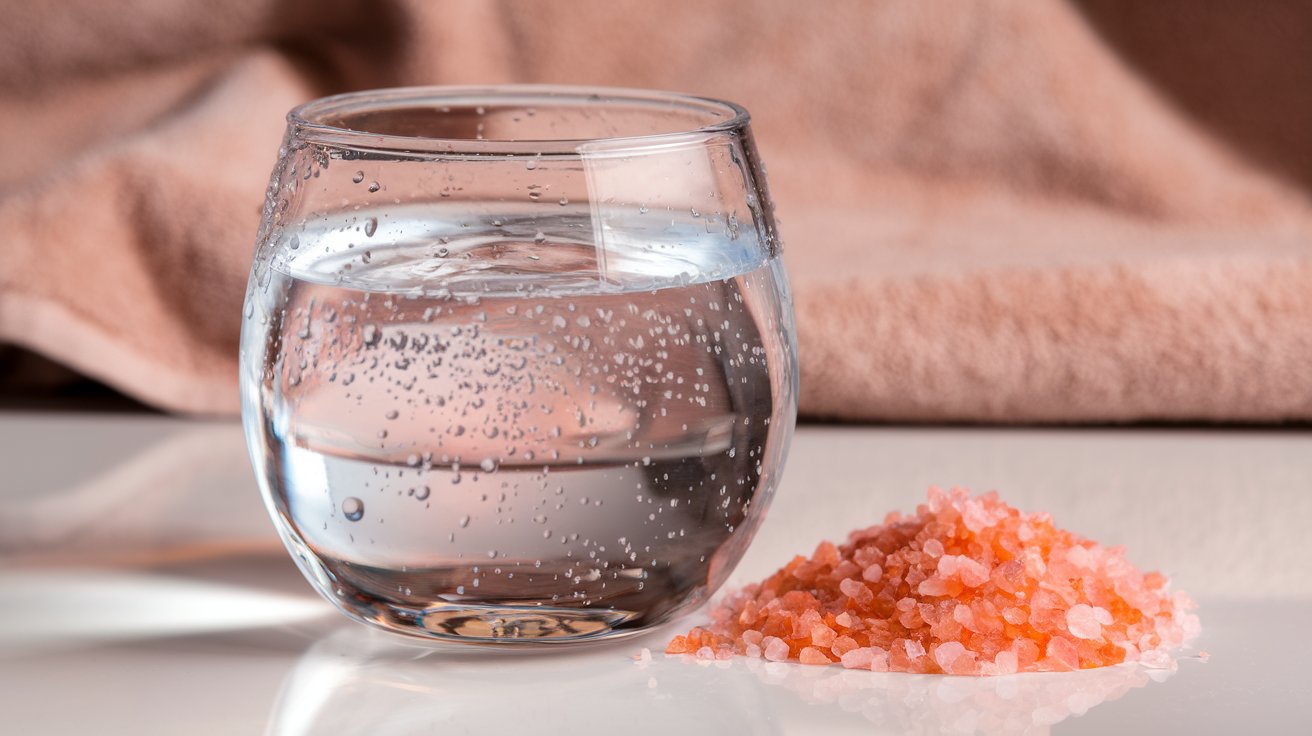
While plain water remains the gold standard for post-massage hydration, certain beverages can enhance your recovery while others should be avoided. Room temperature or slightly warm water is absorbed more efficiently than ice-cold water, which can cause your blood vessels to constrict and slow circulation. Adding a pinch of Himalayan salt or sea salt to your water can replace electrolytes lost during massage and improve cellular hydration, particularly if you received an intensive session.
Herbal teas, particularly ginger, chamomile, or peppermint varieties, provide hydration while offering additional anti-inflammatory benefits that support muscle recovery. Coconut water serves as an excellent alternative, providing natural electrolytes including potassium and magnesium that support muscle function and reduce cramping. Avoid caffeinated beverages like coffee, black tea, or energy drinks for at least 4-6 hours after your massage, as caffeine acts as a diuretic and can exacerbate dehydration. Similarly, alcohol consumption should be completely avoided for 24 hours following massage therapy, as it impairs your body’s ability to process and eliminate metabolic waste while contributing to dehydration.
Additional Post-Massage Recovery Strategies
While drinking water after massage is essential, combining hydration with other recovery strategies maximizes your therapeutic benefits and promotes faster healing. Gentle movement and light stretching in the hours following your massage help maintain the improved circulation and flexibility achieved during your session. Avoid strenuous exercise or heavy lifting for 24 hours, as your muscles need time to recover and adapt to the changes created during bodywork.
Taking a warm Epsom salt bath 4-6 hours after your massage can further support the detoxification process while providing muscle relaxation. Epsom salt contains magnesium sulfate, which absorbs through your skin and helps reduce inflammation and muscle tension. Ensure you drink additional water before and after your bath to compensate for fluid loss through perspiration. Prioritize quality sleep on massage days, as your body performs most of its healing and repair work during deep sleep cycles. Aim for 7-9 hours of sleep and maintain your elevated hydration by keeping water at your bedside for nighttime sips.
Special Hydration Considerations for Different Massage Types
Different massage modalities place varying demands on your body’s hydration needs, requiring adjusted water intake for optimal recovery. Deep tissue massage, which targets chronic muscle tension and adhesions with significant pressure, creates the greatest need for post-session hydration. Clients receiving deep tissue work should aim for the upper end of hydration recommendations, consuming 90-100 ounces of water on treatment days due to the extensive metabolic waste released during intensive muscle manipulation.
Swedish massage and relaxation-focused treatments require moderate hydration support, with 70-80 ounces of total water intake typically sufficient. Sports massage clients, particularly those receiving treatment after athletic events, need to account for both massage-related and exercise-related hydration needs, potentially requiring 100-120 ounces of water supplemented with electrolyte solutions. Lymphatic drainage massage specifically targets fluid movement through the lymphatic system, making hydration absolutely critical for achieving therapeutic benefits. Clients receiving this modality should begin hydrating 12-24 hours before their appointment and maintain elevated water intake for 48 hours afterward to support optimal lymph flow and toxin elimination.
Common Myths About Post-Massage Hydration
Several misconceptions about drinking water after massage circulate in wellness communities, leading to confusion about best practices. One persistent myth suggests that massage releases harmful environmental toxins stored in fat cells, requiring excessive water consumption to flush them out. In reality, massage mobilizes metabolic waste products from muscle tissue, not environmental toxins from adipose tissue. While adequate hydration supports this natural process, drinking extreme amounts of water provides no additional benefit and can even be dangerous.
Another common myth claims that any post-massage discomfort indicates the release of toxins and should be welcomed as a sign of effective treatment. In truth, significant discomfort often signals excessive pressure during the massage or inadequate hydration afterward, both of which are avoidable with proper communication and fluid intake. Some sources incorrectly suggest that caffeinated beverages can substitute for water in meeting hydration needs, but caffeine’s diuretic effect actually increases fluid loss and works against recovery goals. According to 2025 research from the Massage Therapy Foundation, clients who follow evidence-based hydration guidelines report 60% fewer adverse post-massage symptoms compared to those who follow common myths or neglect hydration entirely.
Signs You Need More Water After Your Massage
Recognizing the symptoms of inadequate post-massage hydration allows you to take corrective action before minor discomfort becomes significant. Headaches occurring within 2-12 hours after your massage session typically indicate insufficient water intake, particularly if they feel different from your usual headache patterns. These tension-release headaches respond quickly to increased hydration, often resolving within 30-60 minutes of drinking 16-24 ounces of water.
Increased muscle soreness that feels disproportionate to the pressure applied during your massage suggests metabolic waste accumulation due to poor hydration. This soreness typically peaks 12-24 hours after treatment and may be accompanied by stiffness and reduced range of motion. Fatigue, brain fog, or difficulty concentrating following a massage often indicate dehydration affecting your cognitive function. Dark-colored urine, decreased urination frequency, dry mouth, and dizziness are classic dehydration symptoms that require immediate attention. If you experience these signs, increase your water intake immediately and contact your massage therapist if symptoms persist beyond 24 hours despite adequate hydration efforts.
Hydration for Specific Populations and Conditions
Certain populations require modified hydration strategies after receiving massage therapy due to underlying health conditions or physiological differences. Pregnant women receiving prenatal massage should prioritize hydration but distribute their water intake throughout the day to avoid frequent bathroom trips that can disrupt rest. The American Pregnancy Association recommends pregnant clients consume 80-100 ounces of water daily on massage days, focusing on smaller, more frequent drinks rather than large amounts at once.
Elderly clients may have diminished thirst sensation and require intentional hydration efforts, as their bodies are more susceptible to dehydration complications. Caregivers should ensure seniors drink water at scheduled intervals rather than relying on thirst cues. Individuals with kidney disease, heart failure, or other conditions requiring fluid restriction must consult their healthcare provider before increasing water intake after massage. These clients may benefit from shorter, gentler massage sessions that release fewer metabolic byproducts, reducing hydration demands. Athletes and highly active individuals already maintaining elevated baseline hydration levels should add 30-40 ounces to their usual intake on massage days rather than following general population guidelines.
Integrating Hydration Into Your Wellness Routine
Making post-massage hydration a consistent habit rather than an afterthought requires practical strategies that fit seamlessly into your lifestyle. Purchase a reusable water bottle with time markers or motivational phrases that encourage regular drinking throughout the day. Many Americans find success with 32-ounce bottles that require refilling 2-3 times daily, making it easy to track total consumption. Setting smartphone reminders at 60-90 minute intervals prompts you to drink water even when you do not feel thirsty.
Keep water readily accessible in all environments where you spend significant time, including your car, office, bedroom, and living spaces. Room temperature water stored in convenient locations eliminates barriers to consistent hydration and makes drinking water the path of least resistance. Flavor your water naturally with cucumber slices, lemon, berries, or fresh herbs if plain water feels boring or unappealing. Create a post-massage ritual that includes drinking a specific amount of water, such as finishing one full bottle before leaving the massage facility and another within two hours of arriving home. Track your hydration using smartphone apps or a simple journal, noting how different water intake levels affect your post-massage recovery and overall wellbeing.
Related video about why drink water after massage
This video complements the article information with a practical visual demonstration.
Questions & Answers
What happens if I don’t drink enough water after a massage?
Failing to drink adequate water after massage can cause several uncomfortable side effects including prolonged muscle soreness, headaches, fatigue, nausea, and dizziness. When you do not hydrate properly, metabolic waste products released during massage remain in your system longer, recirculating through your bloodstream instead of being efficiently eliminated through your kidneys. This can lead to post-massage malaise lasting 24-48 hours. Studies show that approximately 35% of clients experiencing negative post-massage symptoms are actually suffering from dehydration rather than issues with the massage technique itself. Drinking 16-24 ounces immediately after your session and maintaining elevated water intake for 24 hours prevents these complications.
Can I drink coffee or tea instead of water after a massage?
Coffee and caffeinated teas are not suitable substitutes for water after massage because caffeine acts as a diuretic, increasing fluid loss through urination and potentially worsening dehydration. While you do not need to avoid caffeine entirely, it should not count toward your post-massage hydration goals. Wait at least 4-6 hours after your massage before consuming caffeinated beverages, and when you do, drink an additional 8-12 ounces of water to compensate for caffeine’s diuretic effect. Herbal teas like chamomile, ginger, or peppermint are excellent alternatives that provide hydration along with anti-inflammatory benefits supporting muscle recovery. Plain water, coconut water, or herbal tea should comprise the majority of your fluid intake in the 24 hours following massage therapy.
How long after a massage should I continue drinking extra water?
Continue drinking elevated amounts of water for 24-48 hours after your massage session to support your body’s waste elimination process. Your body processes and eliminates metabolic byproducts released during massage for up to two days following treatment, requiring sustained hydration throughout this period. Drink 16-24 ounces immediately after your session, maintain elevated intake throughout the remainder of the day, and continue drinking 10-20 ounces more than your normal daily amount for the following day. Most adults should consume 80-100 ounces total on massage days and 70-80 ounces the day after. Monitor your urine color as an indicator: pale yellow indicates proper hydration, while dark yellow suggests you need more fluids. Return to your normal hydration routine after 48 hours unless you continue experiencing soreness or other recovery symptoms.
What toxins are actually released during massage?
Massage releases metabolic waste products rather than environmental toxins, including lactic acid, uric acid, creatinine, and other cellular byproducts that accumulate in muscle tissue during normal activity and stress. When massage therapists apply pressure, they compress and release muscles in a pumping action that pushes these substances into the lymphatic system and bloodstream for elimination through your kidneys. While the term ‘toxins’ is commonly used in massage therapy, it is scientifically more accurate to describe these as metabolic wastes. Your body naturally produces and eliminates these substances constantly, but massage accelerates their release from muscle tissue, creating a temporary increased demand for hydration to support efficient filtration and removal. Drinking adequate water after massage ensures these waste products are quickly eliminated rather than recirculating through your system and causing discomfort.
Should I drink water before my massage appointment?
Yes, drinking water 2-3 hours before your massage appointment significantly enhances treatment effectiveness and reduces post-massage soreness. Pre-massage hydration ensures your muscle tissue is pliable and your circulation is optimal, allowing your therapist to work more effectively with less discomfort. Aim for 16-20 ounces of water in the hours leading up to your appointment, but avoid drinking large amounts within 30 minutes of your session to prevent needing bathroom breaks during treatment. Well-hydrated muscles respond better to manipulation, release tension more readily, and are less prone to bruising or excessive soreness. Combined with proper post-massage hydration, drinking water before your appointment creates optimal conditions for therapeutic benefit and comfortable recovery. Make hydration a consistent practice rather than only focusing on it around massage appointments for best long-term results.
Can drinking too much water after a massage be harmful?
While rare, drinking excessive amounts of water in a short period can lead to hyponatremia, a dangerous condition where sodium levels in your blood become diluted. This typically only occurs when consuming more than 1 liter per hour without electrolyte replacement. Following standard post-massage hydration guidelines of 80-100 ounces spread throughout the day poses no risk for healthy individuals. Focus on consistent, moderate intake rather than forcing large quantities at once. If you drink more than recommended amounts, consider adding electrolytes through a pinch of sea salt in your water, coconut water, or electrolyte tablets to maintain proper mineral balance. Individuals with kidney disease, heart failure, or conditions requiring fluid restriction should consult their healthcare provider before increasing water intake after massage. For most people, the greater risk comes from drinking too little rather than too much water after massage therapy.
| Hydration Aspect | Recommendation | Expected Benefit |
|---|---|---|
| Immediate Post-Massage | 16-24 ounces within 30 minutes | Jumpstarts waste elimination, prevents headaches |
| Total Daily Intake | 80-100 ounces on massage days | Supports lymphatic drainage, reduces soreness by 40% |
| Pre-Massage Hydration | 16-20 ounces 2-3 hours before | Improves tissue pliability, enhances treatment effectiveness |
| Best Fluid Choices | Room temperature water, herbal tea, coconut water | Optimal absorption, electrolyte balance, anti-inflammatory support |
| Avoid After Massage | Caffeine for 4-6 hours, alcohol for 24 hours | Prevents dehydration, supports efficient toxin elimination |
| Extended Recovery | Elevated intake for 24-48 hours | Complete metabolic waste removal, optimal recovery |