Neck massage can provide relief from tension and stiffness, but improper technique can pose serious risks including nerve damage, stroke, and arterial injury. According to 2026 data from the American Massage Therapy Association, approximately 18% of massage-related injuries in the United States involve the neck region. Understanding safe massage practices and recognizing dangerous areas is essential for anyone seeking neck pain relief through self-massage or professional treatment.
Understanding Neck Massage Risks and Safety
The neck contains critical structures including the carotid arteries, jugular veins, vertebral arteries, spinal cord, and numerous nerves that control vital functions. When you massage your neck, you’re working around these delicate anatomical features that require careful handling. Research published in the Journal of Manipulative and Physiological Therapeutics in 2025 indicates that forceful neck manipulation accounts for approximately 1 in 20,000 serious adverse events, though most involve professional adjustments rather than gentle massage.
The primary risks associated with neck massage include arterial dissection, which occurs when the inner lining of an artery tears, potentially leading to blood clots and stroke. The vertebral arteries running through the cervical spine are particularly vulnerable to this type of injury. Additionally, excessive pressure on the carotid arteries can trigger a dangerous drop in blood pressure and heart rate through the carotid sinus reflex. Understanding these anatomical considerations helps explain why certain neck areas require special caution during massage therapy.
Where Should You Not Massage Your Neck
Certain anatomical zones on the neck are considered high-risk areas that should be avoided during self-massage or approached with extreme caution by professionals. The anterior triangle of the neck, located on the front and sides, contains the carotid arteries and should never receive deep pressure. According to 2026 guidelines from the National Certification Board for Therapeutic Massage and Bodywork, direct pressure on the carotid pulse points can cause serious cardiovascular complications including fainting, stroke, or cardiac arrhythmia.
The Anterior Triangle: Critical Danger Zone
The anterior triangle includes the area from your jawline to your collarbone, extending from the center of your throat to the sides of your neck. This region houses the carotid arteries, jugular veins, thyroid gland, and lymph nodes. Applying deep pressure here can compress blood vessels, reducing blood flow to the brain or triggering the carotid sinus reflex. In 2025, emergency departments in the United States reported over 400 cases of massage-related carotid artery complications, with most involving excessive pressure to this vulnerable area.
The Posterior Cervical Spine Area
The back of your neck along the spine contains vertebral arteries that run through small openings in your cervical vertebrae. While the muscles on either side of the spine can generally be massaged safely, direct pressure on the spinous processes (the bony bumps you feel down the center) or aggressive rotation movements can potentially affect these arteries. Physical therapists recommend working on the muscles lateral to the spine rather than directly on the vertebrae themselves, especially when using massage tools or applying significant pressure.
What 5 Parts of the Body Are Not Allowed to Massage
Professional massage therapy has established contraindicated areas where massage should be avoided or performed only with specialized training and caution. Beyond the neck, these restricted zones exist throughout the body to protect vital organs, major blood vessels, and vulnerable anatomical structures. The 2026 standards from the American Massage Therapy Association identify five critical body regions requiring special protocols.
The first restricted area includes the anterior neck and throat region as previously discussed, where major blood vessels and the airway are superficially located. Second, the area directly over the kidneys in the lower back should receive only light pressure, as excessive force can cause organ trauma. Third, the abdominal area requires specialized training due to the presence of unprotected organs and major blood vessels like the abdominal aorta. Fourth, areas with active inflammation, infection, or open wounds should never be massaged as this can spread infection or worsen inflammation. Fifth, regions with known blood clots or deep vein thrombosis must be avoided entirely, as massage could dislodge a clot and cause life-threatening complications such as pulmonary embolism.
Can Neck Massage Cause Stroke
The relationship between neck manipulation and stroke risk has been extensively studied since the early 2000s, with significant research updates published through 2025. Cervical artery dissection, a tear in the arterial wall, represents the primary mechanism by which neck manipulation can lead to stroke. Data from the American Stroke Association indicates that neck manipulation-related strokes account for approximately 1-2% of all ischemic strokes in adults under 45 years old in the United States.
The risk varies significantly based on the type and intensity of neck manipulation. High-velocity chiropractic adjustments carry higher risk than gentle massage techniques. A 2025 meta-analysis published in Stroke Journal found that gentle massage with appropriate pressure poses minimal stroke risk, with an estimated incidence of less than 1 in 100,000 massage sessions. However, aggressive deep tissue work, especially involving rotation or extension of the neck, increases this risk substantially. Individuals with connective tissue disorders, atherosclerosis, hypertension, or a history of cervical artery problems face elevated risk and should consult healthcare providers before receiving neck massage.
Can You Massage Your Neck Too Much
Excessive neck massage can lead to tissue damage, inflammation, and chronic pain conditions even when proper technique is used. Overstimulation of muscles and connective tissue triggers inflammatory responses that paradoxically increase pain and stiffness. According to research from the National Institutes of Health published in 2025, massage sessions exceeding 20 minutes on the neck area or multiple daily sessions can cause tissue fatigue and microtrauma to muscle fibers.
The phenomenon of massage overuse syndrome manifests as increased muscle soreness, reduced range of motion, and heightened sensitivity to touch. Physical therapists recommend limiting self-massage sessions to 10-15 minutes per session, with a maximum of two sessions daily for acute issues. For chronic neck tension, spacing sessions at least 6-8 hours apart allows tissue recovery and prevents cumulative damage. Signs that you’re massaging too frequently include persistent soreness that worsens rather than improves, bruising, increased inflammation, or new pain patterns developing in the neck region.
Is It Safe to Massage Your Neck With a Massage Gun
Massage guns, also called percussive therapy devices, have gained popularity since 2020 but carry specific risks when used on the neck. These devices deliver rapid, concentrated force that can reach deeper tissues than manual massage. The FDA issued updated guidance in 2024 regarding percussive therapy devices, emphasizing that the neck requires modified technique and reduced intensity settings compared to larger muscle groups.
Massage Gun Safety Protocols for Neck Use
When using a massage gun on your neck, always use the lowest intensity setting and avoid the anterior and lateral neck areas entirely. Limit application to the posterior neck muscles (the trapezius and paraspinal muscles) and never apply the device directly to the spine or over the carotid arteries. Research from the American Physical Therapy Association in 2025 recommends keeping massage gun sessions under 2 minutes per muscle group on the neck, using constant motion rather than sustained pressure on a single point.
The most common injuries from massage gun misuse on the neck include bruising, muscle strain, and nerve irritation. In 2025, emergency departments reported approximately 1,200 massage gun-related injuries specifically involving the neck region across the United States. Safe practice includes maintaining the device at a 45-degree angle to the muscle, avoiding bony prominences, and immediately stopping if you experience sharp pain, numbness, tingling, or dizziness during use.
When to Avoid Massage Guns on Your Neck Completely
Certain conditions make massage gun use on the neck absolutely contraindicated. People with osteoporosis, cervical spine instability, recent neck surgery, or implanted medical devices should never use percussive therapy on their neck. Additionally, those taking blood thinners face increased bruising and bleeding risk. If you have chronic neck pain, recurring headaches, or neurological symptoms such as numbness or weakness in your arms, consult a healthcare provider before using any massage device on your neck. These symptoms may indicate underlying conditions like herniated discs, spinal stenosis, or cervical radiculopathy that could worsen with percussion therapy.
How to Massage a Stiff Neck by Yourself Safely
Self-massage for neck stiffness can be highly effective when performed with proper technique and awareness of safe zones. The key is working on the posterior and lateral muscles while avoiding the anterior neck structures and major blood vessels. Begin by identifying areas of tension in the upper trapezius, levator scapulae, and suboccipital muscles at the base of your skull.
Start with gentle warming strokes using flat fingers or your palm to increase blood flow without deep pressure. Use your opposite hand to reach across and massage the side of your neck, working on the muscles between your shoulder and ear. Apply moderate pressure with circular motions, spending 30-60 seconds per area. For the back of your neck, use both hands with fingers placed on either side of the spine, applying gentle upward strokes from the base of the neck toward the skull. The 2026 clinical guidelines recommend pressure that feels firm but never painful, typically rated 4-6 out of 10 on a discomfort scale.
Effective Self-Massage Techniques for Neck Relief
The suboccipital release technique effectively addresses tension headaches and upper neck stiffness. Place your fingertips at the base of your skull where it meets the top of your neck, applying gentle upward pressure while slowly nodding your head. Hold for 30 seconds, release, and repeat 2-3 times. For the upper trapezius muscle, reach your right hand over your left shoulder, grasp the muscle between your fingers and palm, and apply gentle kneading pressure while tilting your head slightly to the right.
The levator scapulae stretch-massage combination provides relief for the muscle connecting your neck to shoulder blade. Rotate your head 45 degrees to the right, then tilt your chin downward. Use your right hand to apply gentle pressure to the left side of your neck just above the shoulder blade, holding for 20-30 seconds. Research from Johns Hopkins Medicine in 2025 shows that combining gentle stretch with massage increases effectiveness by 40% compared to massage alone for chronic neck tension.
Tools and Aids for Safe Self-Neck Massage
Several tools can enhance self-massage safety and effectiveness when used properly. Lacrosse balls or specialized massage balls allow you to apply controlled pressure while lying down, reducing hand fatigue. Place the ball between your neck and a wall or floor, using your body weight to control pressure intensity. Massage hooks and canes designed specifically for self-massage help reach difficult areas without straining your hands or arms. These tools typically feature multiple contact points and ergonomic handles for optimal leverage.
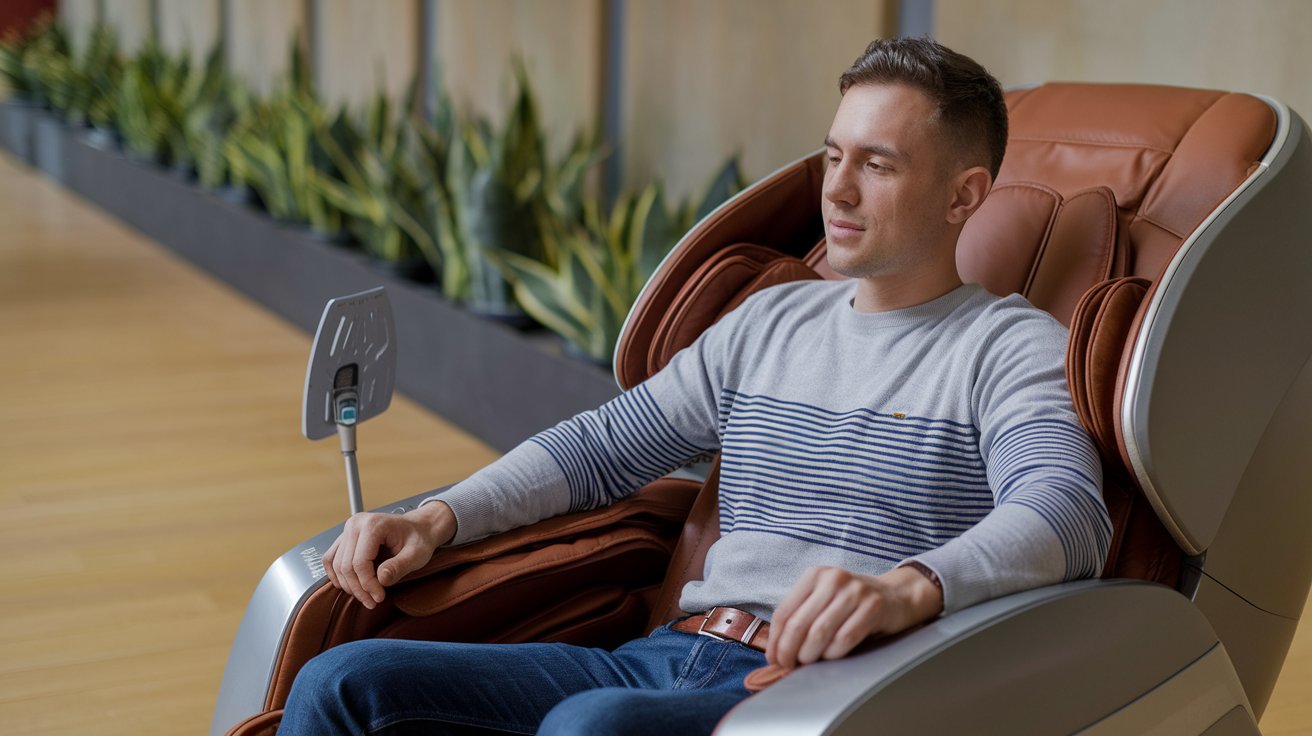
For those seeking heat combined with massage, electric massage cushions with heat therapy provide gentle relief for chronic neck stiffness. The 2026 models available in the United States include safety features like automatic shut-off and adjustable intensity levels. When selecting self-massage tools, prioritize products with FDA registration or compliance with medical device standards, and always start with the lowest intensity setting to assess your tolerance and avoid tissue damage.
Recognizing Warning Signs During Neck Massage
Knowing when to stop massage immediately is crucial for preventing serious injury. Certain symptoms during or after neck massage require immediate cessation and potentially emergency medical attention. Sharp, shooting pain radiating down your arm indicates potential nerve compression or irritation. Sudden dizziness, vision changes, or severe headache could signal reduced blood flow to the brain or vascular complications.
Additional red flag symptoms include numbness or tingling in your face, arms, or hands, which may indicate nerve damage or arterial compression. Difficulty swallowing, speaking, or breathing represents a medical emergency requiring immediate evaluation. If you experience persistent increased pain that lasts more than 48 hours after massage, this suggests tissue damage rather than normal post-massage soreness. The American College of Emergency Physicians reported in 2025 that early recognition and response to these warning signs significantly reduces the severity of massage-related complications.
Medical Conditions That Make Neck Massage Dangerous
Specific health conditions substantially increase the risks associated with neck massage, making it contraindicated or requiring special modifications. Understanding these conditions helps individuals make informed decisions about whether neck massage is appropriate for their situation. Healthcare providers should always be consulted before beginning neck massage therapy if any of these conditions are present.
Cardiovascular conditions including carotid artery disease, history of stroke, or transient ischemic attacks dramatically increase stroke risk from neck manipulation. People with these conditions should avoid neck massage entirely or receive only the gentlest superficial techniques from highly trained professionals. Cervical spine conditions such as severe arthritis, spinal stenosis, herniated discs, or cervical instability can worsen with massage, potentially causing nerve compression or spinal cord injury. According to 2025 data from the National Institute of Neurological Disorders and Stroke, approximately 8% of adults in the United States have cervical spine conditions that increase massage risks.
Bleeding Disorders and Medication Considerations
Individuals with bleeding disorders or taking anticoagulant medications face elevated risk of bruising, hematoma formation, and internal bleeding from massage. Medications including warfarin, apixaban, rivaroxaban, and even daily aspirin therapy increase bleeding risk. The American Society of Hematology’s 2026 guidelines recommend that patients on anticoagulation therapy receive only light-pressure massage techniques and avoid deep tissue work entirely on the neck region.
Cancer patients, especially those with metastatic disease or lymphoma involving the neck, should avoid massage in affected areas as it could theoretically spread cancer cells through the lymphatic system, though research on this remains limited. Patients undergoing radiation therapy to the neck require special consideration, as radiated tissue becomes more fragile and prone to injury. Always disclose all medications and medical conditions to massage therapists before treatment, as this information is essential for safe practice.
Inflammatory Conditions and Recent Injuries
Active inflammatory conditions make neck massage potentially harmful rather than helpful. Acute injuries within the first 48-72 hours should receive rest, ice, and medical evaluation rather than massage, as manipulation can increase inflammation and bleeding into tissues. Conditions such as rheumatoid arthritis during flare-ups or acute torticollis (wry neck) benefit more from gentle range-of-motion exercises than massage.
Infections including cellulitis, lymphangitis, or localized abscesses in the neck region contraindicate massage absolutely, as manual manipulation can spread infection through the lymphatic system or bloodstream. Fever accompanying neck stiffness may indicate meningitis, a medical emergency requiring immediate evaluation rather than massage. The Centers for Disease Control and Prevention reported in 2025 that delayed diagnosis due to self-treatment attempts occurs in approximately 15% of serious neck-related medical emergencies, emphasizing the importance of proper evaluation for unusual neck symptoms.
Professional Versus Self-Massage: Making the Right Choice
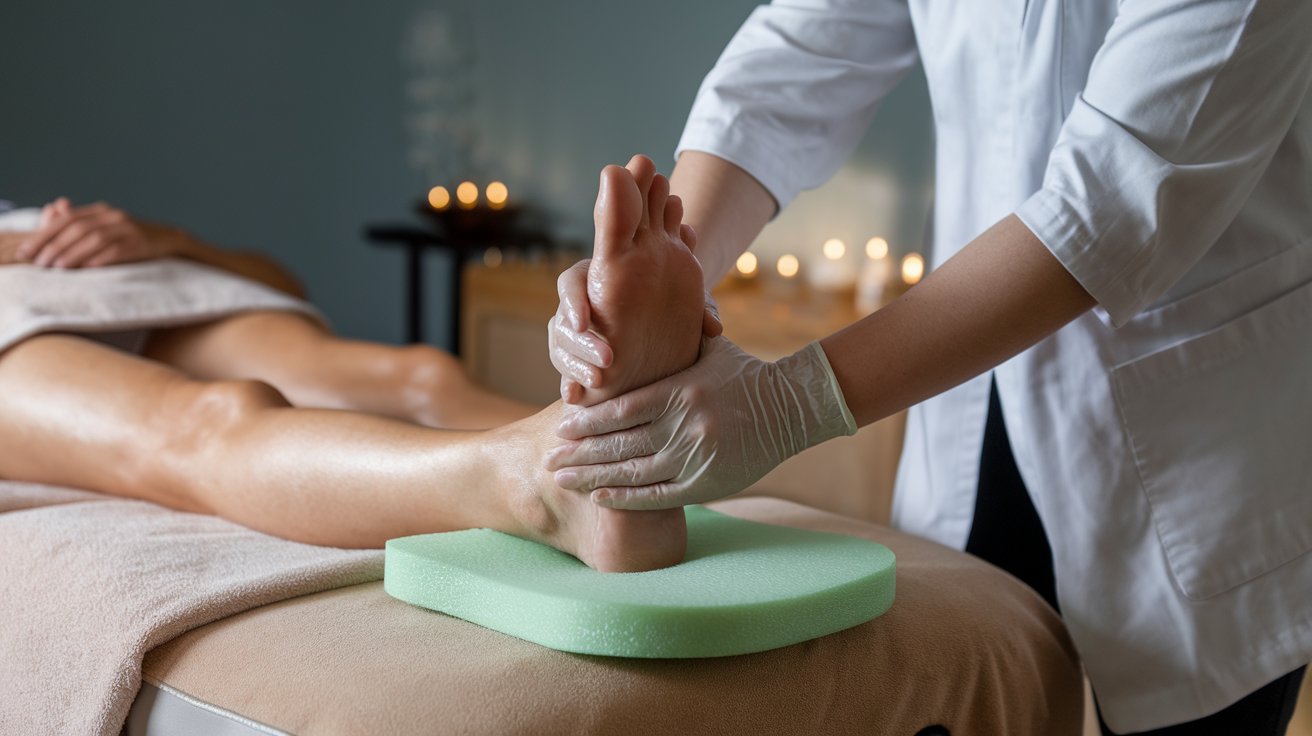
Determining whether to seek professional massage therapy or perform self-massage depends on symptom severity, underlying conditions, and treatment goals. Professional massage therapists possess anatomical knowledge and technical skills that allow them to work more effectively on complex muscle patterns while avoiding dangerous areas. Licensed massage therapists in the United States complete a minimum of 500-1000 hours of training depending on state requirements, with specialized certifications available for medical and therapeutic massage.
Self-massage works well for mild to moderate tension and prevention of chronic stiffness, offering convenience and cost-effectiveness for ongoing maintenance. However, chronic pain lasting more than 4-6 weeks, pain accompanied by neurological symptoms, or pain that significantly limits daily activities warrants professional evaluation. Physical therapists can provide comprehensive assessment and treatment plans that address underlying biomechanical issues contributing to neck pain, while massage therapists can deliver targeted manual therapy that complements physical therapy interventions.
The 2026 healthcare landscape in the United States increasingly recognizes massage therapy as a legitimate treatment modality covered by many insurance plans when prescribed for specific medical conditions. Medicare now covers massage therapy in certain situations, and many private insurers provide coverage when performed by licensed professionals as part of a documented treatment plan. For individuals with chronic neck pain conditions, seeking professional care often proves more cost-effective long-term than repeated self-treatment attempts.
Related video about is it dangerous to massage your neck
This video complements the article information with a practical visual demonstration.
FAQ – Common Questions
Where should you not massage your neck?
Avoid massaging the anterior and lateral portions of your neck where the carotid arteries and jugular veins are located. These areas extend from below your jawline to your collarbone on the front and sides of your neck. Never apply deep pressure to the sides of your neck where you can feel your pulse, as this can trigger dangerous cardiovascular reflexes or arterial damage. Focus massage efforts on the posterior neck muscles along the back and base of your skull, which contain the trapezius and paraspinal muscles that commonly hold tension.
What are the 5 parts of the body not allowed to massage?
The five body areas requiring extreme caution or avoidance include: the anterior neck and throat region due to major blood vessels and airway structures; the area directly over the kidneys in the lower back which can sustain organ trauma; the abdomen containing unprotected organs and major vessels; areas with active inflammation, infection, or open wounds that could spread infection; and regions with known blood clots where massage could dislodge clots and cause life-threatening complications. Additionally, avoid direct pressure on the eyes, ears, and areas with severe varicose veins.
Is neck massage risky for everyone?
Neck massage carries different risk levels depending on individual health status and the technique used. For healthy individuals without cardiovascular disease, cervical spine problems, or bleeding disorders, gentle neck massage on appropriate areas (posterior muscles) carries minimal risk when performed correctly. However, people with carotid artery disease, history of stroke, severe arthritis, cervical spine instability, or bleeding disorders face substantially elevated risks. Those taking blood thinners or with connective tissue disorders should consult healthcare providers before receiving neck massage. The technique intensity matters significantly—gentle, superficial massage poses far less risk than deep tissue work or high-velocity manipulation.
Can you massage your neck too much?
Yes, excessive neck massage can cause tissue damage, increased inflammation, and paradoxical pain worsening. Massage sessions longer than 15-20 minutes on the neck or multiple sessions daily can lead to muscle fatigue and microtrauma. Physical therapists recommend limiting self-massage to 10-15 minutes per session, maximum twice daily with at least 6-8 hours between sessions. Signs of over-massage include persistent soreness that worsens, bruising, increased stiffness, or new pain patterns. Tissues need recovery time between sessions to repair and adapt, making frequent gentle sessions more beneficial than aggressive daily manipulation.
How do you know if neck massage caused an injury?
Warning signs of massage-related neck injury include sharp pain radiating into your arms, sudden dizziness or vision changes, severe headache, numbness or tingling in your face or arms, and difficulty swallowing or breathing. Normal post-massage soreness typically resolves within 24-48 hours and feels like mild muscle fatigue. Injury-related pain tends to be sharp, localized, and worsening rather than improving. If you experience neurological symptoms (numbness, weakness, coordination problems), severe headache accompanied by neck stiffness, or pain that significantly worsens over 48 hours after massage, seek immediate medical evaluation as these may indicate serious complications requiring urgent treatment.
What is the safest way to relieve neck tension at home?
The safest approach combines gentle self-massage with stretching and heat therapy. Use light to moderate pressure on the muscles at the back and base of your neck, avoiding the front and sides where blood vessels are located. Apply massage for 10-15 minutes maximum, using circular motions with your fingertips or palm. Combine this with gentle neck stretches held for 20-30 seconds in each direction. Heat therapy using a warm towel or heating pad for 15-20 minutes helps relax muscles before massage. For persistent tension, consider professional evaluation by a physical therapist or licensed massage therapist who can assess underlying causes and provide appropriate treatment.
| Safety Aspect | Critical Guidelines | Risk Prevention |
|---|---|---|
| Safe Massage Zones | Focus on posterior neck muscles, trapezius, and base of skull only | Avoids carotid arteries and vertebral structures that can cause stroke or nerve damage |
| Pressure Intensity | Use light to moderate pressure rated 4-6/10 on discomfort scale | Prevents tissue damage, arterial compression, and excessive inflammation |
| Session Duration | Limit to 10-15 minutes per session, maximum twice daily with 6-8 hours between | Allows tissue recovery and prevents cumulative microtrauma and overuse syndrome |
| Contraindicated Areas | Never massage anterior neck, directly over spine, or areas with pulse points | Eliminates risk of vascular injury, carotid sinus reflex, and arterial dissection |
| Medical Conditions | Consult healthcare provider if you have cardiovascular disease, spine conditions, or take blood thinners | Identifies high-risk individuals who require professional supervision or should avoid neck massage |
| Warning Signs | Stop immediately if experiencing sharp pain, numbness, dizziness, or vision changes | Enables early recognition of serious complications requiring emergency medical evaluation |