A relaxation massage is a gentle, flowing therapeutic bodywork technique designed to reduce stress, promote mental calmness, and enhance overall well-being. Unlike therapeutic or deep tissue massage that targets specific muscle problems, relaxation massage uses smooth, gliding strokes with light to moderate pressure to soothe the entire body. In 2026, over 42 million Americans regularly receive massage therapy, with relaxation massage remaining the most popular choice for stress management and self-care.
Understanding Relaxation Massage
Relaxation massage is a holistic therapy that focuses on calming the nervous system rather than addressing specific injuries or chronic pain conditions. The primary goal is to create a tranquil experience that reduces cortisol levels, improves circulation, and promotes the release of endorphins. This massage technique typically involves long, flowing strokes called effleurage, gentle kneading, and circular movements that cover the entire body systematically.
During a relaxation massage session, therapists use consistent, rhythmic pressure that rarely exceeds a 3-4 on a pressure scale of 1-10. The environment plays an equally important role, with dimmed lighting, soothing music, aromatherapy, and comfortable temperature settings enhancing the therapeutic experience. According to the American Massage Therapy Association, 88% of people who received relaxation massage in 2025 reported it as extremely effective for stress reduction.
What Happens During a Relaxation Massage
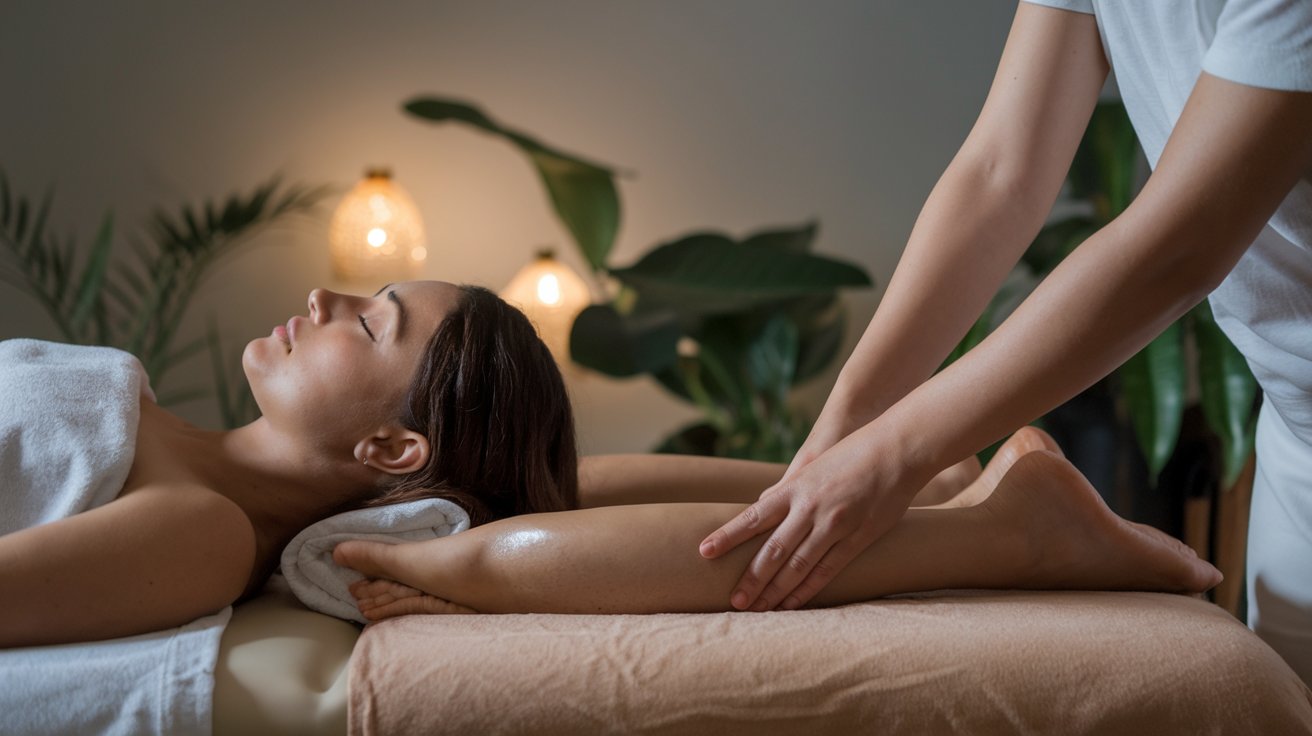
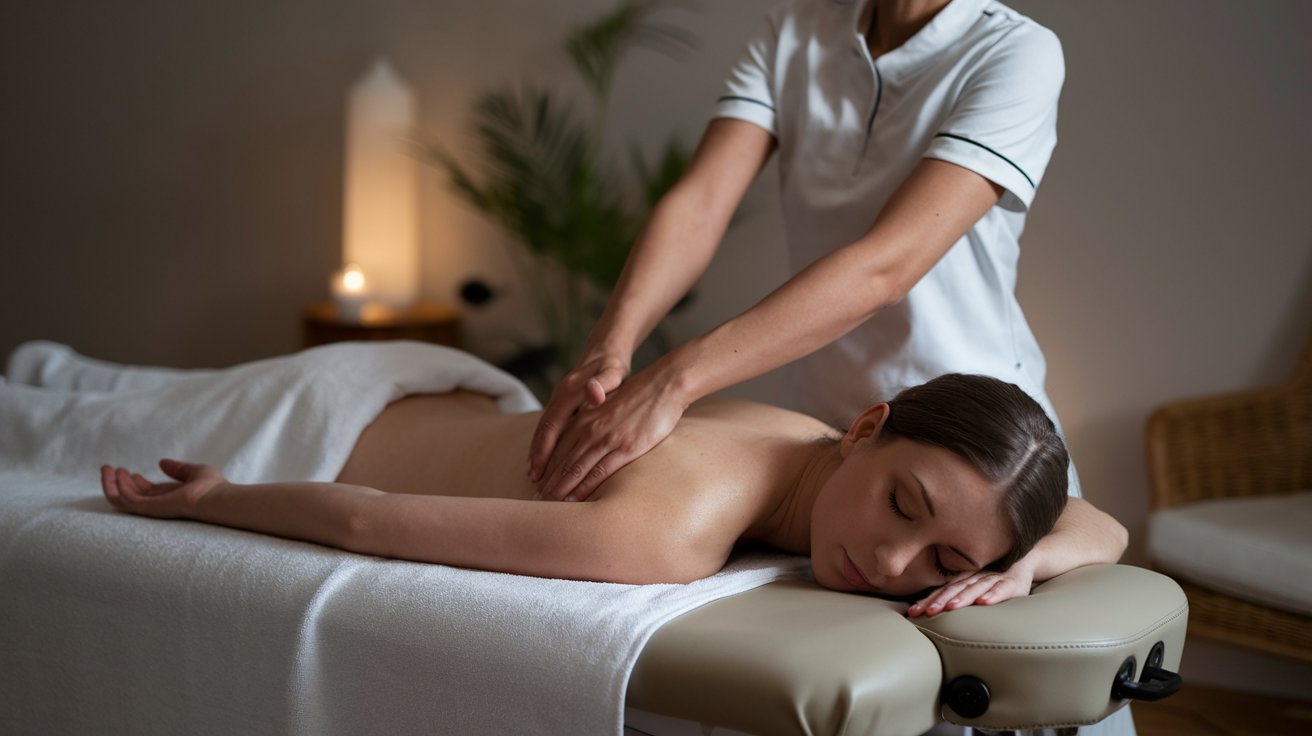
A typical relaxation massage session begins with a brief consultation where the therapist discusses your stress levels, preferences, and any areas of discomfort. You then undress to your comfort level and lie on a padded massage table, covered with clean sheets. The therapist uses massage oil or lotion to reduce friction and allow smooth, gliding movements across your skin.
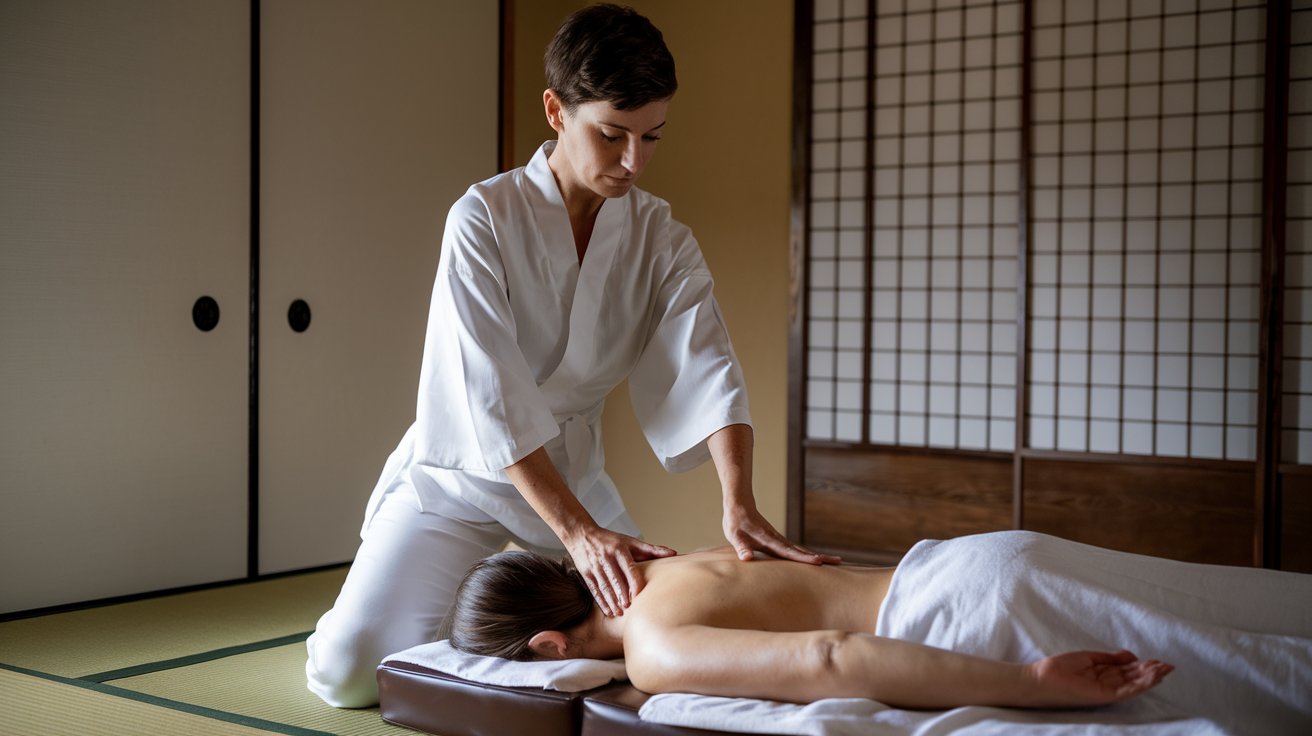
The session usually starts with broad, sweeping strokes on your back, progressing to your shoulders, arms, legs, and feet. Each stroke is deliberately slow and rhythmic, designed to calm your nervous system rather than work out muscle knots. The massage therapist maintains consistent pressure throughout, avoiding sudden movements or intense techniques. Sessions typically last 60 to 90 minutes, with many clients entering a deeply relaxed state or even falling asleep during treatment.
Throughout the massage, the therapist monitors your breathing and muscle response, adjusting techniques to maximize relaxation. Many practitioners incorporate gentle stretching, light pressure point work, and scalp massage to enhance the calming effects. The room temperature remains warm, and soft music or nature sounds create an immersive sensory experience that promotes mental disconnection from daily stressors.
Key Techniques Used in Relaxation Massage
Relaxation massage techniques draw primarily from Swedish massage traditions, emphasizing gentle, flowing movements that calm the body and mind. Understanding these core techniques helps you appreciate what makes this therapy uniquely soothing and therapeutically effective for stress management.
Effleurage: The Foundation Stroke
Effleurage consists of long, gliding strokes performed with flat hands and fingers, moving in the direction of blood flow toward the heart. This massage technique warms the tissues, spreads oil evenly, and establishes a rhythmic pattern that signals the nervous system to relax. Therapists use varying hand pressure from feather-light to moderate, creating a wavelike sensation across the skin that reduces muscle tension and promotes lymphatic drainage.
Petrissage: Gentle Kneading
Petrissage involves soft kneading, rolling, and lifting of muscles and soft tissues. In relaxation massage, this technique uses gentle pressure to improve circulation without causing discomfort. The rhythmic squeezing and releasing action helps flush metabolic waste from muscles while maintaining the calming, meditative quality essential to relaxation therapy. This approach differs significantly from the deeper, more intense kneading used in therapeutic or sports massage.
Circular Friction and Gentle Stretching
Therapists incorporate small circular movements using fingertips or palms, particularly around joints and the neck area. These relaxing movements increase local circulation and provide variety in sensation without disrupting the overall calming experience. Gentle passive stretching may also be included, where the therapist moves your limbs through comfortable ranges of motion, enhancing flexibility while maintaining the session’s peaceful atmosphere.
Relaxation Massage Benefits for Mind and Body
The benefits of relaxation massage extend far beyond temporary stress relief, offering measurable improvements in both physical and mental health. Research conducted in 2025 by the National Institutes of Health demonstrated that regular relaxation massage sessions produce lasting changes in stress hormone levels, sleep quality, and immune function.
Physically, relaxation massage improves blood circulation, delivering oxygen and nutrients more efficiently throughout the body. This enhanced circulation supports faster recovery from minor muscle fatigue and reduces inflammation. The gentle manipulation of soft tissues stimulates the lymphatic system, helping remove toxins and metabolic waste products. Many clients report improved sleep quality, with 76% of regular recipients experiencing deeper, more restorative sleep patterns according to 2026 consumer surveys.
Mentally and emotionally, relaxation massage significantly reduces cortisol levels while increasing serotonin and dopamine production. This neurochemical shift creates feelings of well-being, reduces anxiety, and can help manage symptoms of depression. The dedicated time away from digital devices and daily responsibilities provides crucial mental space for reflection and emotional processing. For many Americans facing chronic stress, regular massage therapy serves as an essential component of mental health maintenance.
Relaxation Massage vs Swedish Massage
Many people wonder about the difference between relaxation massage and Swedish massage, and the truth is they share considerable overlap. Swedish massage is the technical name for the Western massage tradition developed in the 19th century, incorporating five basic stroke categories. Relaxation massage uses these same Swedish techniques but emphasizes the gentler, stress-reducing applications rather than therapeutic muscle work.
When you book a Swedish massage, the therapist may adjust pressure from light to moderately firm based on your needs, potentially addressing specific muscle tension. A relaxation massage specifically focuses on the lighter pressure range throughout the entire session, prioritizing nervous system calming over muscle therapy. Essentially, all relaxation massages use Swedish techniques, but not all Swedish massages maintain the consistently gentle approach that defines true relaxation work.
Relaxation Massage vs Deep Tissue Massage
The differences between relaxation massage and deep tissue massage are substantial and important for choosing the right therapy. Deep tissue massage applies intense pressure to reach muscle layers beneath superficial tissues, specifically targeting chronic muscle tension, adhesions, and injury recovery. Therapists use elbows, forearms, and concentrated finger pressure that may cause temporary discomfort during treatment.
Relaxation massage maintains gentle to moderate pressure throughout, never pushing into pain thresholds. The intention differs fundamentally: deep tissue aims to restructure muscle patterns and break up scar tissue, while relaxation massage seeks to calm the entire nervous system. Deep tissue sessions often focus on specific problem areas, whereas relaxation massage treats the whole body equally. Recovery from deep tissue may involve some soreness, while relaxation massage leaves clients feeling immediately peaceful and rejuvenated.
For individuals with high blood pressure, relaxation massage is generally the safer choice. The gentle pressure and stress-reducing effects can actually help lower blood pressure, while deep tissue’s intensity may temporarily elevate it. Always consult with your healthcare provider before receiving any massage therapy if you have cardiovascular conditions, and inform your therapist about your medical history.
Health Conditions and Relaxation Massage
Relaxation massage offers therapeutic benefits for various health conditions, though understanding contraindications and special considerations ensures safe, effective treatment. Modern research continues revealing new applications for this gentle therapy across different medical contexts.
Massage for High Blood Pressure
If you have high blood pressure, relaxation massage can be beneficial when practiced with appropriate precautions. Studies from 2025 show that regular gentle massage reduces systolic blood pressure by an average of 10-12 mmHg and diastolic pressure by 6-8 mmHg. The stress reduction and improved circulation contribute to these cardiovascular benefits. However, you should always get medical clearance before starting massage therapy, especially if taking blood pressure medications. Inform your therapist about your condition so they can avoid overly vigorous techniques and monitor your comfort throughout the session.
Massage and Neuropathy Considerations
For individuals with neuropathy, the best type of massage depends on symptom severity and underlying causes. While relaxation massage may not directly treat nerve damage, it improves circulation to affected areas and provides comfort. Gentle techniques avoid aggravating sensitive nerves while the stress reduction can help manage pain perception. Some therapists specialize in medical massage for neuropathy, incorporating careful pressure adjustments and specific techniques. Always discuss neuropathy with your massage therapist before treatment, as areas with reduced sensation require modified approaches to ensure safety and effectiveness.
What a Relaxing Massage Session Includes
A comprehensive relaxing massage experience includes far more than just hands-on bodywork. Professional therapists create a complete sensory environment designed to maximize therapeutic benefits and ensure client comfort from arrival to departure.
Most sessions include a private, temperature-controlled treatment room with a professional massage table featuring a comfortable face cradle. Clean linens, typically warmed, provide covering and comfort. High-quality massage oils or lotions, often with subtle aromatherapy additions like lavender or chamomile, facilitate smooth strokes while nourishing skin. Background music features specifically designed relaxation soundtracks, nature sounds, or binaural beats that promote alpha brainwave states associated with deep relaxation.
Professional massage therapists include consultation time before and after treatment, discussing your needs, preferences, and any concerns. Many incorporate hot towels, particularly for the face and feet, enhancing the luxurious, spa-like experience. Some therapists offer complementary herbal tea or water following the session to support the body’s detoxification process. The best massage experiences also include guidance on extending benefits through breathing exercises, self-care recommendations, and scheduling suggestions for optimal stress management results.
Finding the Best Relaxation Massage Therapist
Selecting a qualified relaxation massage therapist significantly impacts your experience and therapeutic outcomes. In 2026, the United States has approximately 385,000 licensed massage therapists, but finding one who specializes in and excels at relaxation work requires some research and consideration.
Look for therapists with credentials from accredited massage therapy programs requiring at least 500 hours of training, which is the minimum standard in most states. National certification through the National Certification Board for Therapeutic Massage & Bodywork (NCBTMB) indicates additional professional commitment. Read reviews specifically mentioning relaxation massage, noting comments about therapist presence, environment quality, and stress-reduction results rather than just pain relief testimonials.
When searching for massage near me, consider location convenience but prioritize therapist quality and specialization. Many excellent practitioners work in spa settings, wellness centers, or private practices. Initial consultations, whether in person or by phone, reveal important information about therapist communication style, professionalism, and understanding of relaxation therapy principles. Ask about their training in Swedish massage techniques, experience with stress-related conditions, and approach to creating calming environments.
Pricing for relaxation massage in the United States typically ranges from seventy to one hundred sixty dollars for sixty-minute sessions, with variations based on location and therapist experience. Many therapists offer package deals or membership programs that reduce per-session costs for regular clients. Quality matters more than price when seeking therapeutic benefits, as skilled practitioners deliver substantially better outcomes than inexperienced therapists, regardless of cost differences.
Choosing Between Therapeutic and Relaxation Massage
Deciding between therapeutic massage and relaxation massage depends on your current health goals and body needs. Therapeutic massage, also called clinical or medical massage, targets specific problems like chronic pain, injury recovery, or restricted mobility. These sessions involve detailed assessment, focused treatment of problem areas, and often more intense pressure designed to produce structural changes in muscles and connective tissue.
Relaxation massage serves best when your primary need involves stress management, general wellness maintenance, or simply taking restorative time for yourself. If you spend your days in high-stress environments, struggle with sleep quality, or need mental and emotional recharge, relaxation massage provides exactly what your nervous system requires. Many people benefit from alternating between both types, using therapeutic work to address specific issues while maintaining regular relaxation sessions for ongoing stress prevention.
Your decision may also consider current pain levels. If you experience significant discomfort requiring targeted treatment, therapeutic massage makes sense initially. Once acute issues resolve, transitioning to relaxation massage helps prevent tension from rebuilding. Some clients schedule monthly relaxation sessions with quarterly therapeutic work, creating a balanced maintenance program. The best approach often involves discussing your needs with a qualified therapist who can recommend appropriate treatment frequencies and styles based on your individual circumstances.
Maximizing Your Relaxation Massage Benefits
Getting the best results from relaxation massage involves preparation before sessions and integration practices afterward. Arriving well-hydrated helps your body respond optimally to treatment, as proper hydration supports lymphatic drainage and toxin elimination. Avoid heavy meals within two hours of your appointment, though light snacks are fine. Arrive ten minutes early to allow mental transition from daily activities to therapeutic space.
Communicate openly with your massage therapist about pressure preferences, temperature comfort, and any areas needing attention or avoidance. Many people hesitate to speak during massage, but providing feedback ensures the session meets your needs perfectly. After treatment, drink additional water to support the body’s natural detoxification processes activated during massage. Avoid immediately returning to stressful activities; instead, allow at least thirty minutes of quiet time to extend the relaxation benefits.
For sustained stress management results, consistency matters more than intensity. Monthly relaxation massage sessions provide significantly better cumulative benefits than occasional treatments. Some research suggests bi-weekly sessions during particularly stressful periods offer optimal nervous system support. Track your sleep quality, stress levels, and overall well-being between sessions to identify your ideal frequency. Many Americans now include regular massage therapy in their healthcare budgets alongside gym memberships and preventive medical care, recognizing its value for long-term health maintenance.
Related video about what is relaxation massage
This video complements the article information with a practical visual demonstration.
Your questions answered
What happens during a relaxation massage session?
During a relaxation massage, you lie on a padded table while a licensed therapist uses gentle, flowing strokes with light to moderate pressure across your entire body. The session typically lasts 60-90 minutes in a calm environment with soft lighting and soothing music. The therapist applies massage oil to reduce friction and performs systematic techniques including long gliding strokes, gentle kneading, and circular movements designed to calm your nervous system. Many clients enter deeply relaxed states or fall asleep during treatment. The experience focuses entirely on stress reduction rather than addressing specific muscle problems or pain.
What does a relaxing massage include beyond bodywork?
A complete relaxing massage includes consultation time to discuss your needs and preferences, a private treatment room with comfortable temperature control, clean linens and towels, and professional-grade massage oils or lotions. Most sessions feature calming background music, aromatherapy elements like lavender or chamomile, and sometimes hot towel treatments for added comfort. Professional therapists include time for you to relax before and after the hands-on work, often providing water or herbal tea following treatment. The entire experience creates a sensory environment designed to maximize stress reduction and therapeutic benefits beyond just the physical manipulation of muscles.
Can you get a massage if you have high blood pressure?
Yes, you can receive relaxation massage with high blood pressure, and research shows it may actually help reduce blood pressure levels. Studies from 2025 demonstrate that gentle massage reduces systolic pressure by 10-12 mmHg on average. However, you should always obtain medical clearance from your healthcare provider first, especially if taking blood pressure medications. Inform your massage therapist about your condition so they can avoid vigorous techniques and monitor your comfort throughout the session. The stress-reducing effects and improved circulation from gentle massage therapy support cardiovascular health when practiced with appropriate precautions and professional guidance.
What type of massage is best for neuropathy symptoms?
For neuropathy, gentle massage therapy focused on improving circulation may provide comfort, though it does not cure nerve damage. Relaxation massage with modified techniques can help manage pain perception through stress reduction while avoiding aggravation of sensitive nerves. Some therapists specialize in medical massage for neuropathy, using careful pressure adjustments suited to areas with altered sensation. The best approach involves working with a therapist experienced in neurological conditions who can adapt techniques to your specific needs. Always discuss your neuropathy diagnosis, affected areas, and symptom severity with your massage therapist before treatment to ensure safe, comfortable sessions tailored to your condition.
How does relaxation massage differ from Swedish massage?
Relaxation massage and Swedish massage share considerable overlap, as relaxation massage uses Swedish techniques but emphasizes consistently gentle pressure throughout the session. Swedish massage is the broader technical system including five stroke categories that can range from light to moderately firm pressure. When you book specifically for relaxation, the therapist maintains lighter pressure focused entirely on calming your nervous system rather than addressing muscle problems. Essentially, relaxation massage represents the gentler, stress-reducing application of Swedish massage principles. Both use the same flowing strokes, kneading, and circular movements, but relaxation work prioritizes peaceful experience over therapeutic muscle treatment.
How often should you get relaxation massage for stress management?
For optimal stress management benefits, most experts recommend monthly relaxation massage sessions as a baseline maintenance program. During particularly stressful periods, bi-weekly sessions provide enhanced nervous system support and better cumulative results. Research shows that consistent, regular massage produces more significant reductions in cortisol levels and improvements in sleep quality than occasional treatments. Some individuals benefit from weekly sessions when managing chronic stress conditions, while others find quarterly appointments sufficient for general wellness. The ideal frequency depends on your stress levels, budget, and personal response to treatment. Tracking your sleep quality, anxiety levels, and overall well-being between sessions helps identify your optimal massage schedule for sustained health benefits.
| Key Aspect | Important Details | Primary Benefits |
|---|---|---|
| Pressure Level | Light to moderate (3-4 on scale of 10), consistent throughout session | Calms nervous system without discomfort |
| Primary Techniques | Effleurage, gentle petrissage, circular friction from Swedish massage | Promotes full-body relaxation and stress relief |
| Session Duration | Typically 60-90 minutes in calm, private environment | Allows deep relaxation and mental restoration |
| Health Benefits | Reduces cortisol, increases serotonin/dopamine, improves circulation | Better sleep, lower blood pressure, enhanced mood |
| Ideal Frequency | Monthly for maintenance, bi-weekly during high-stress periods | Sustained stress management and wellness |
| Cost Range (2026) | $70-$160 per 60-minute session in United States | Accessible wellness investment for most budgets |