Learning how to give a back massage transforms your ability to provide genuine relief and relaxation to loved ones. Whether you’re helping your partner unwind after a stressful day or simply want to develop a valuable wellness skill, proper massage techniques can reduce tension, lower cortisol levels, and improve overall well-being. This comprehensive guide covers everything from setting up the perfect environment to mastering professional-grade techniques that deliver maximum therapeutic benefit in 2026.
Preparing the Perfect Environment for Your Back Massage
The best massage experience begins before you ever touch the recipient’s back. Creating a calming atmosphere significantly enhances relaxation and allows the body to respond better to therapeutic touch. Start by selecting a quiet room with minimal distractions, ideally away from high-traffic areas of your home. The temperature should be comfortably warm, around 72-75°F, as muscles relax more easily in warmth and people often feel chilled when lying still for extended periods.
Lighting plays a crucial role in setting the mood for relaxation. Dim the overhead lights or use soft lamps to create a gentle ambiance. Consider adding candles for a spa-like atmosphere, though ensure they’re positioned safely away from massage oils and fabrics. According to 2026 wellness research from the American Massage Therapy Association, environments with reduced lighting can lower cortisol levels by up to 18% during massage sessions. Background music at low volume, such as nature sounds or instrumental tracks, helps mask external noise and encourages deeper relaxation throughout the session.
Essential Tools and Products for an Effective Massage
Having the right supplies ensures you can give a smooth, professional-quality massage without interruptions. Massage oil or lotion is absolutely essential, as it allows your hands to glide smoothly across the skin without causing friction or discomfort. Popular choices in 2026 include fractionated coconut oil, jojoba oil, and specialized massage blends containing lavender or eucalyptus for added aromatherapy benefits. Warm the oil slightly by rubbing it between your palms before application, or use a bottle warmer to maintain a comfortable temperature throughout the session.
The surface where the recipient lies dramatically affects both their comfort and your ability to apply proper pressure. A professional massage table provides the best experience, with adjustable height allowing you to maintain proper posture and leverage. However, a firm bed covered with towels works well for home use. Avoid soft mattresses that sink excessively, as they make it difficult to apply targeted pressure effectively. Additional supplies include extra towels for draping and coverage, a small pillow or bolster for positioning under the ankles or chest, and a face cradle if your recipient prefers lying face-down. Keep a bottle of water nearby, as massage can release toxins and proper hydration supports the body’s natural detoxification processes.
Understanding Back Anatomy and Massage Safety
Before learning specific techniques, understanding basic back anatomy ensures you massage safely and effectively. The back contains several major muscle groups including the trapezius across the shoulders, the latissimus dorsi along the sides, and the erector spinae running parallel to the spine. These muscles work constantly to support posture and movement, making them prone to tension and knots. The spine itself contains delicate vertebrae and nerve structures that should never be directly massaged with deep pressure. Always work on the muscles alongside the spine, not directly on the bony vertebral column.
Certain conditions require special consideration or professional guidance. People with Ehlers Danlos syndrome, a connective tissue disorder affecting about 1 in 5,000 Americans, may have increased sensitivity and joint instability. Can people with Ehlers Danlos get massages? Yes, but they typically require gentler pressure and techniques that avoid joint manipulation. Similarly, individuals with neuropathy benefit from modified approaches. What kind of massage is best for neuropathy? Gentle, consistent pressure with focus on circulation improvement rather than deep tissue work proves most effective. Always ask about medical conditions, recent injuries, or areas of pain before beginning. If someone experiences sharp pain, numbness, or tingling during the massage, stop immediately and recommend they consult a healthcare provider.
Mastering Fundamental Massage Techniques
Three core techniques form the foundation of every effective back massage: effleurage, petrissage, and compression. Mastering these allows you to address different tissue depths and achieve various therapeutic goals. Each technique serves a specific purpose in the massage sequence, and combining them strategically creates a comprehensive treatment that promotes both relaxation and muscle recovery. Professional massage therapists spend years perfecting these skills, but with practice and attention to feedback, you can develop competence that provides genuine relief to recipients.
Effleurage: The Foundation Gliding Stroke
Effleurage consists of long, flowing strokes that glide smoothly across the skin surface. This technique always begins and ends every massage session, serving to warm tissues, spread oil evenly, and allow the recipient to adjust to your touch. Use your entire palm with fingers together, maintaining constant contact as you stroke from the lower back upward toward the shoulders, then gently return down the sides. Apply light to moderate pressure during these initial strokes, gradually increasing as muscles warm. Effleurage promotes lymphatic drainage, increases blood circulation by up to 35% according to 2026 studies, and signals the nervous system to shift into relaxation mode. Repeat these flowing strokes for 3-5 minutes at the beginning of the session to prepare tissues for deeper work.
Petrissage: Deep Kneading for Muscle Tension
Kneading, or petrissage, involves lifting, squeezing, and rolling muscle tissue between your hands. This technique targets deeper muscle layers and proves particularly effective for releasing knots and chronic tension. Use both hands in an alternating rhythm, grasping a section of muscle, lifting it slightly away from the bone, then squeezing and releasing before moving to an adjacent area. Focus on the fleshy areas along the shoulders and down either side of the spine, avoiding direct pressure on the vertebrae. The best kneading technique uses your thumbs, palms, and fingers in coordination, applying firm but comfortable pressure. This approach increases muscle pliability, breaks up adhesions in fascia, and can reduce muscle soreness by promoting waste product removal from tissues.
Compression: Targeted Pressure for Trigger Points
Compression involves applying steady, direct pressure to specific areas using your thumbs, fingertips, or palm heel. This technique excels at addressing trigger points, those tender spots that often refer pain to other body areas. When you locate a knot or tight band within the muscle, apply gradually increasing pressure until you reach a level the recipient describes as a “good hurt”—uncomfortable but tolerable. Hold this pressure for 15-30 seconds, allowing the muscle to release. According to the American Academy of Pain Management, proper trigger point compression can reduce localized pain by 40-60% when performed consistently. Always communicate with your partner during compression work, as pressure tolerance varies significantly between individuals and can change based on stress levels, hydration, and recent physical activity.
Step-by-Step Guide: How to Give Your Partner a Back Massage
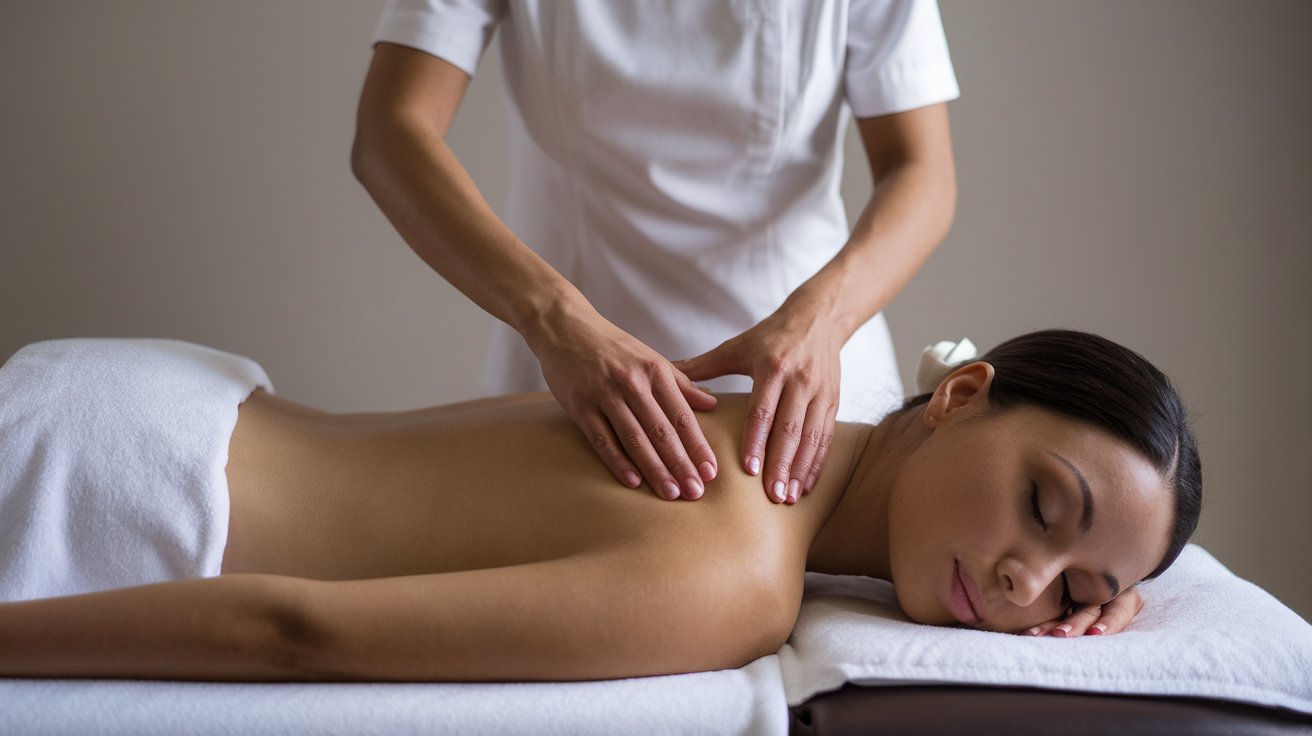
Now that you understand the fundamental techniques, let’s walk through a complete massage sequence. How to give your partner a back massage effectively involves following a logical progression that warms tissues, addresses tension, and promotes deep relaxation. Have your partner lie face down on the prepared surface, ensuring they’re comfortable and properly supported. Place a pillow under their ankles to reduce lower back strain, and offer a face cradle or turned-head position for neck comfort. Drape towels over areas not being actively massaged to maintain warmth and modesty.
Begin with 3-5 minutes of effleurage strokes, using both palms to glide from the lower back up to the shoulders, applying gentle pressure upward and lighter pressure on the return. This warms the muscles and distributes oil evenly. Next, transition to kneading the shoulder area, spending 5-7 minutes working through the trapezius muscles where most people carry significant tension. Use alternating hands to lift, squeeze, and roll the tissue. Move down to the mid-back, applying petrissage along the latissimus dorsi on each side of the spine. For the lower back, use your palm heels in circular motions, being especially gentle over the kidney area. Incorporate compression on any trigger points discovered, holding steady pressure for 15-30 seconds per point. Finish with another 2-3 minutes of light effleurage to signal completion and allow the nervous system to integrate the work. The entire sequence typically lasts 30-45 minutes for a thorough treatment.
Addressing Specific Back Problems and Pain Patterns
Different types of back discomfort require tailored approaches for optimal relief. Upper back and shoulder tension, extremely common among desk workers and smartphone users, responds particularly well to focused kneading and compression work on the trapezius and rhomboid muscles. According to 2026 data from the Bureau of Labor Statistics, over 68% of American workers spend more than 6 hours daily at computers, contributing to epidemic levels of upper back tension. For this area, use your thumbs to apply small circular motions along the top of the shoulders, gradually working deeper as muscles release.
Lower back pain presents different challenges and requires extra caution. This region supports tremendous load during daily activities and often develops chronic tightness. Use broad, sweeping strokes with your palms and forearms rather than concentrated thumb pressure, which can feel too intense in this sensitive area. Gentle rocking motions, where you place both palms on the lower back and create a subtle side-to-side movement, help release tension without aggressive manipulation. For sciatic discomfort radiating down the legs, work the gluteal muscles and hip area with compression techniques, as sciatic nerve irritation often originates from tight piriformis muscles in the hip region. Never attempt to treat severe or sudden-onset back pain through massage; these situations require professional medical evaluation to rule out serious underlying conditions like herniated discs or vertebral fractures.
Massage Benefits for Stress and Cortisol Reduction
Beyond physical tension relief, regular back massage provides profound effects on stress hormones and mental well-being. What massage is good for high cortisol levels? Research published in the International Journal of Neuroscience demonstrates that 30-minute massage sessions can reduce cortisol by an average of 31% while simultaneously increasing serotonin and dopamine by 28% and 31% respectively. These hormonal shifts explain why people consistently report improved mood, better sleep quality, and reduced anxiety following massage treatments.
The stress-reduction benefits extend beyond the immediate session. Regular massage, performed 2-3 times weekly, creates cumulative effects that help regulate the hypothalamic-pituitary-adrenal axis, the body’s primary stress response system. This regulation proves particularly valuable for people with chronic stress conditions, anxiety disorders, or those recovering from burnout. The physical touch involved in massage also triggers the release of oxytocin, often called the “bonding hormone,” which strengthens emotional connections between giver and receiver. This makes learning how to give your partner a back massage not just a wellness skill but also a relationship-building practice that fosters intimacy and trust. For maximum cortisol-lowering effects, combine massage with other stress management techniques including regular exercise, adequate sleep, and mindfulness practices.
Self-Massage Techniques for Solo Back Relief
While receiving a massage from another person provides the best experience, self-massage techniques offer valuable relief when you’re alone. Several tools and methods allow you to address back tension independently. Foam rollers have become increasingly popular in 2026, with over 40% of fitness enthusiasts owning at least one according to recent consumer surveys. To use a foam roller for back massage, lie on your back with the roller positioned perpendicular to your spine at mid-back level. Support your head with your hands and use your legs to slowly roll your body up and down, allowing the roller to massage muscles on either side of the spine. Avoid rolling directly on the lower back vertebrae.
Tennis balls or specialized massage balls provide targeted trigger point relief you can give yourself. Place two tennis balls in a sock, creating a tool that mimics thumbs working parallel to the spine. Lie on this tool positioned at your upper back, allowing your body weight to create compression. Small movements side to side or up and down help work through tight areas. For areas you can reach, such as lower back sides, use your knuckles or a massage cane to apply direct pressure. Handheld percussion massagers have advanced significantly, with 2026 models offering variable speeds and multiple head attachments that effectively release muscle tension. While self-massage provides genuine benefits, it cannot fully replicate the relaxation response triggered when someone else performs the treatment, as your muscles must remain partially engaged during self-treatment rather than achieving complete release.
Common Mistakes to Avoid When Giving a Back Massage
Even with good intentions, several common errors can diminish massage effectiveness or cause discomfort. The most frequent mistake involves applying too much pressure too quickly, before tissues have adequately warmed. Always begin with lighter pressure and gradually increase based on recipient feedback. Pressing directly on the spine itself rather than the muscles alongside it creates discomfort and potential injury risk. Similarly, avoid massaging directly over bones like the shoulder blades or hip bones, focusing instead on the muscular attachments around these structures.
Poor body mechanics while giving massage leads to practitioner fatigue and reduced effectiveness. Maintain proper posture by keeping your back straight, bending from your hips and knees rather than rounding your spine. Use your body weight to generate pressure rather than relying solely on arm strength, which quickly exhausts your muscles. Position yourself at an appropriate height relative to the massage surface—your hands should reach the recipient’s back comfortably without hunching or overextending. Another common error involves inconsistent rhythm and breaking contact unnecessarily. Maintain smooth, continuous touch throughout the session, as sudden breaks disrupt the relaxation response. Finally, neglecting communication represents a critical mistake. Regularly ask about pressure preferences, comfort level, and whether any techniques cause discomfort. The best massage experiences result from ongoing dialogue between giver and receiver, ensuring the treatment meets the recipient’s specific needs and preferences.
When to Recommend Professional Massage Therapy
While home massage provides wonderful benefits, certain situations require professional expertise. When to see a pro includes chronic pain conditions that persist despite home treatment, as licensed massage therapists possess advanced training in addressing complex muscular dysfunction. People with specific medical conditions such as fibromyalgia, arthritis, or cancer should always consult healthcare providers and work with therapists trained in medical massage. Professional therapists can also address structural issues like severe postural imbalances or movement pattern dysfunction that require systematic treatment protocols.
In 2026, the American Massage Therapy Association reports over 385,000 licensed massage therapists practicing across the United States, making professional care more accessible than ever. Sessions typically cost between $75-150 depending on location and specialization. Many health insurance plans now cover massage therapy when prescribed for specific conditions like chronic back pain or recovery from injury. Sports massage specialists offer targeted treatment for athletic performance and injury prevention, while neuromuscular therapists focus on chronic pain conditions and trigger point therapy. What kind of massage is best for neuropathy? Medical massage therapists trained in peripheral neuropathy treatment use specific techniques that improve circulation and nerve function without aggravating sensitive tissues. If someone experiences worsening pain, new symptoms like numbness or weakness, or lacks improvement after several home massage sessions, professional evaluation ensures they receive appropriate care for their specific condition.
Enhancing Your Massage Skills Through Practice and Education
Developing proficiency in giving back massages requires consistent practice and willingness to learn from each experience. Start by practicing on willing family members or friends, requesting honest feedback about pressure, comfort, and effectiveness. Pay attention to subtle cues in their breathing, muscle tension, and body language that indicate whether they’re truly relaxing. Recording feedback after each session helps you identify patterns and areas for improvement. Consider practicing different techniques on yourself first to understand how various pressures and strokes feel, which builds empathy and awareness when working on others.
Numerous educational resources can elevate your skills beyond basic techniques. Many community colleges and continuing education centers offer introductory massage workshops designed for non-professionals. These typically range from single-day seminars to multi-week courses costing $100-500. Online video platforms host thousands of instructional videos demonstrating professional techniques, though ensure you select content from certified massage therapists or reputable wellness organizations. Books dedicated to partner massage provide detailed anatomical information and technique progressions. The best learning combines multiple approaches: watching demonstrations, reading detailed explanations, and extensively practicing. As your confidence grows, you might explore specific modalities like Swedish massage, deep tissue techniques, or reflexology principles. Remember that professional massage therapists complete 500-1,000 hours of training depending on state requirements, so maintain realistic expectations about your abilities while continuously working to refine your skills and provide better therapeutic experiences for your recipients.
Related video about how to give a back massage
This video complements the article information with a practical visual demonstration.
Key Questions and Answers
How often should I give my partner a back massage for maximum stress relief?
For optimal stress reduction and cortisol level management, aim to give your partner a back massage 2-3 times weekly, with sessions lasting 30-45 minutes. Research from 2026 indicates that this frequency produces cumulative benefits including sustained cortisol reduction, improved sleep quality, and enhanced emotional connection. However, even weekly sessions provide meaningful stress relief benefits. Consistency matters more than duration—regular 20-minute sessions prove more effective than occasional longer treatments. Always adjust frequency based on your partner’s needs, schedule constraints, and your own energy levels to ensure the practice remains sustainable and enjoyable for both participants.
What massage oil works best for sensitive skin during back massage?
For people with sensitive skin, hypoallergenic options like fractionated coconut oil, sweet almond oil, or grapeseed oil work exceptionally well during back massage sessions. These oils provide excellent glide without common irritants found in fragranced products. Fractionated coconut oil remains the top choice in 2026 due to its long shelf life, neutral scent, and non-comedogenic properties that won’t clog pores. Avoid oils containing essential oils, synthetic fragrances, or preservatives if skin sensitivity is a concern. Always perform a patch test on a small skin area 24 hours before full application. For extremely sensitive individuals, unscented, dermatologist-tested massage lotions specifically formulated for sensitive skin offer the safest alternative.
Can massage help with chronic upper back pain from desk work?
Yes, regular massage significantly helps chronic upper back pain caused by prolonged desk work and poor posture. Studies from the American College of Occupational and Environmental Medicine show that bi-weekly massage sessions targeting the trapezius, rhomboids, and levator scapulae muscles reduce upper back pain intensity by 35-50% over 8-week periods. The best approach combines massage with ergonomic workspace improvements, regular stretching breaks every hour, and strengthening exercises for postural muscles. Focus massage techniques on kneading the shoulder region and applying compression to trigger points along the upper back. For maximum effectiveness, address both muscular tension through massage and underlying postural habits contributing to chronic pain patterns.
What pressure level should I use when learning how to give a back massage?
When learning how to give a back massage, start with light to moderate pressure during the first 5-10 minutes to warm tissues, then gradually increase based on recipient feedback. A good guideline: use pressure that the person describes as a “good hurt”—noticeable and therapeutic but never painful or causing them to tense up. On a scale of 1-10, most people prefer pressure around 5-7 for general relaxation and 6-8 for deeper therapeutic work on chronic tension. Always communicate throughout the session, as optimal pressure varies between individuals and different body areas. The trapezius muscles typically tolerate firmer pressure than the lower back. Remember that more pressure doesn’t equal better results—excessive force causes protective muscle guarding that prevents genuine release and relaxation.
Are there specific techniques that help reduce high cortisol levels through massage?
What massage is good for high cortisol levels? Slow, rhythmic techniques prove most effective for cortisol reduction. Long, flowing effleurage strokes lasting 30-60 seconds each, gentle kneading at a deliberate pace, and sustained compression held for 20-30 seconds all activate the parasympathetic nervous system, which directly counters the stress response. Research indicates that massage sessions lasting at least 30 minutes provide optimal hormonal benefits, with cortisol levels dropping 25-31% while feel-good hormones serotonin and dopamine increase significantly. The best cortisol-reducing massage combines physical technique with environmental factors: dim lighting, comfortable temperature, calming music, and uninterrupted time. Consistency enhances results—regular massage produces greater long-term cortisol regulation than occasional sessions.
Should I avoid massaging someone with fibromyalgia or chronic pain conditions?
You can give massage to someone with fibromyalgia or chronic pain conditions, but modified techniques are essential. These individuals typically require much gentler pressure than standard massage protocols, as their nervous systems process touch differently and may perceive normal pressure as painful. Focus on light effleurage, gentle sustained compression, and slow rhythmic movements rather than deep tissue techniques. Sessions should typically be shorter (20-30 minutes) to prevent symptom flares. Always obtain explicit permission and maintain ongoing communication about comfort levels. However, for complex chronic pain conditions, professional massage therapists trained specifically in pain management provide the safest, most effective care. When to see a pro definitely includes situations involving diagnosed chronic pain syndromes, as these require specialized expertise beyond basic massage skills.
| Technique | Primary Purpose | Key Benefit |
|---|---|---|
| Effleurage (Gliding) | Warm tissues and spread oil evenly | Increases circulation by 35% and initiates relaxation response |
| Petrissage (Kneading) | Release muscle tension and knots | Breaks up fascial adhesions and improves muscle pliability |
| Compression | Target specific trigger points | Reduces localized pain by 40-60% when applied consistently |
| Session Duration | 30-45 minutes for complete treatment | Maximizes cortisol reduction (up to 31%) and hormonal benefits |
| Frequency | 2-3 times weekly for optimal results | Creates cumulative stress relief and strengthens emotional bonds |
| Professional Consultation | Required for chronic conditions | Ensures safe, specialized care for complex medical situations |