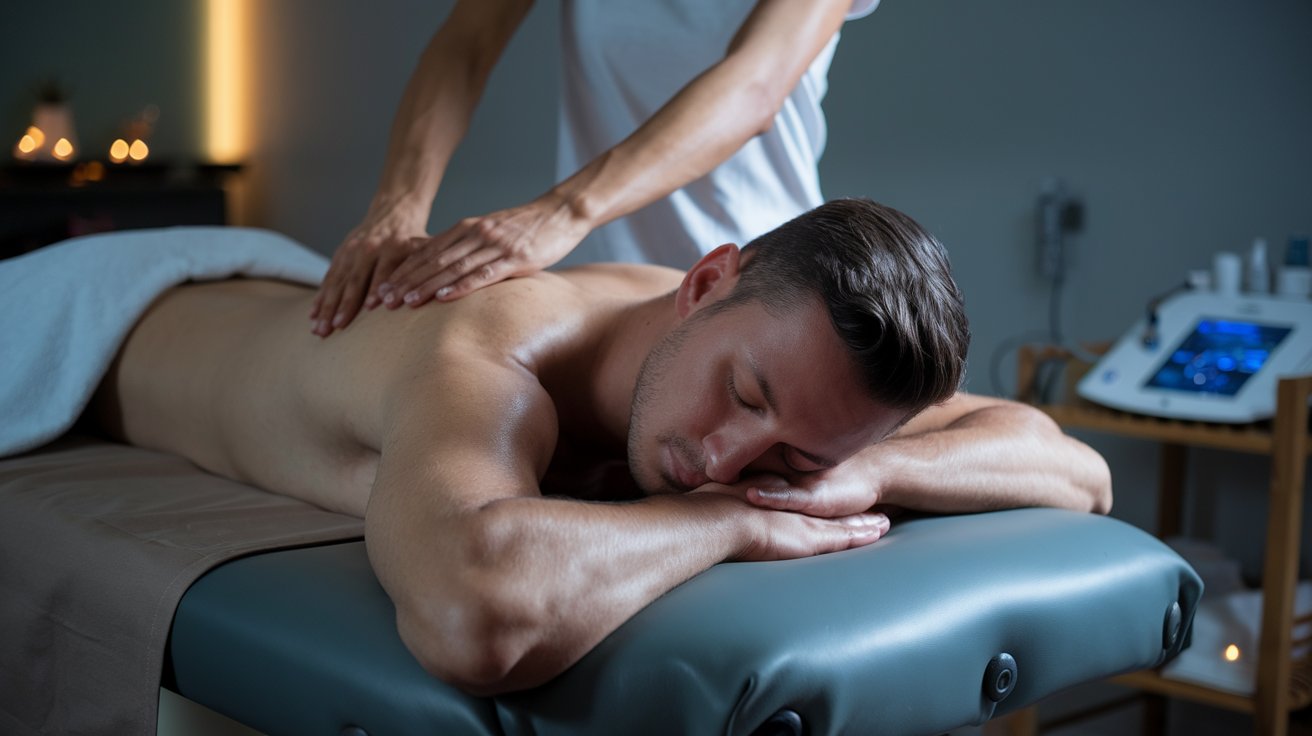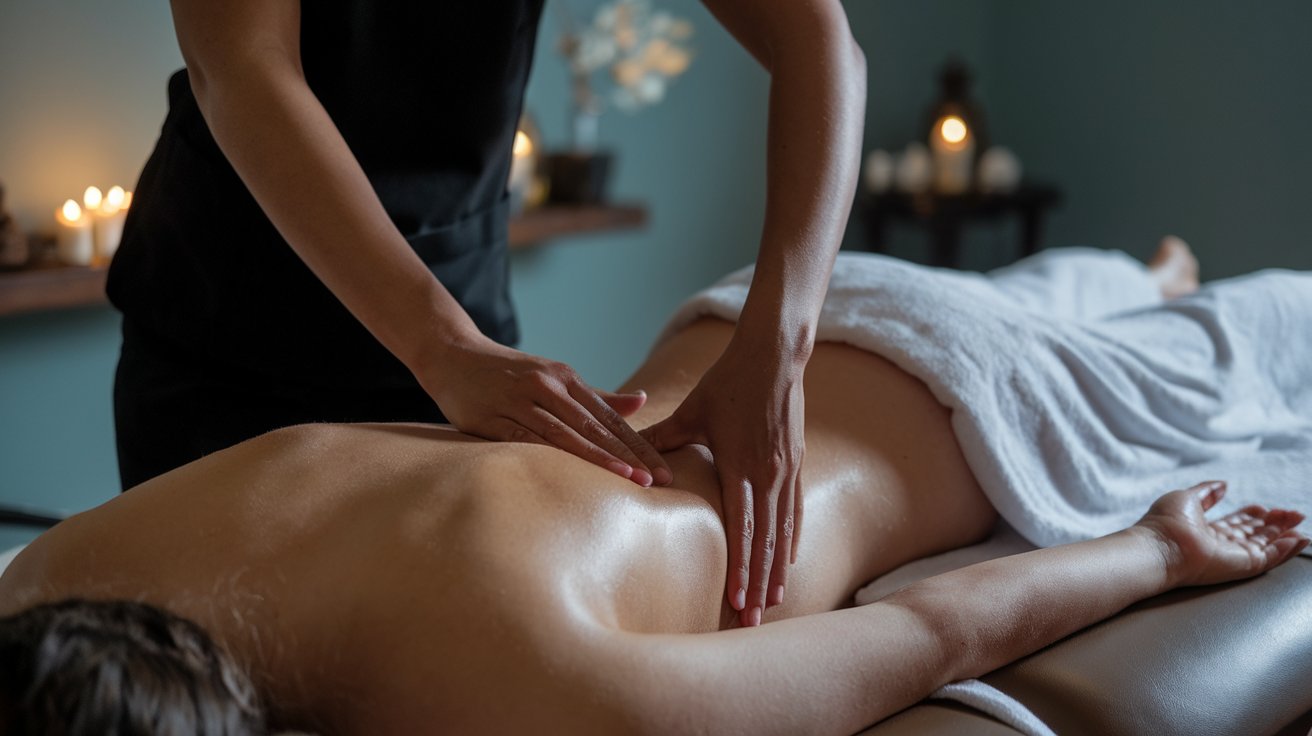
Experiencing soreness after a massage is completely normal and affects approximately 60-70% of massage recipients in the United States. This temporary discomfort, often called post-massage soreness or delayed onset muscle soreness (DOMS), typically occurs within 24 hours of treatment and resolves within 48-72 hours. Understanding why this happens and how to manage it effectively will help you maximize the benefits of your massage therapy sessions.
Why Post-Massage Soreness Happens
When you receive a deep tissue massage or therapeutic bodywork, your massage therapist applies pressure to muscles, fascia, and connective tissues that may have accumulated tension over weeks or months. This mechanical pressure breaks up adhesions, releases trigger points, and increases blood flow to previously restricted areas. The process of manipulating tight muscles causes microscopic trauma to muscle fibers, similar to what happens during a challenging workout at the gym.
Your body responds to this therapeutic trauma by initiating an inflammatory response designed to heal and repair the affected tissues. This inflammation brings white blood cells, nutrients, and oxygen to the area, which is beneficial for long-term healing but can cause temporary soreness. Additionally, massage stimulates the lymphatic system to flush out metabolic waste products, lactic acid, and cellular debris that have accumulated in your muscles. As these substances move through your system before elimination, you may experience mild flu-like symptoms or general achiness.
The intensity of post-massage soreness depends on several factors including the type of massage received, the pressure applied, your current physical condition, and how hydrated you are. People who receive their first massage, haven’t had bodywork in several months, or have particularly tight muscles tend to experience more pronounced soreness. In 2026, massage therapists across the United States increasingly use client assessment protocols to predict and minimize post-treatment discomfort.
How Long Does Post-Massage Soreness Last
For most people, massage soreness peaks within 24-36 hours after treatment and gradually diminishes over the next day or two. This timeline mirrors the recovery pattern seen with exercise-induced muscle soreness. Approximately 85% of clients in United States massage practices report complete resolution of discomfort within 48 hours, while 12% may experience mild tenderness for up to 72 hours, particularly after intensive deep tissue work or trigger point therapy.
If you’re experiencing soreness that lasts 3 days after massage, this generally remains within normal parameters, especially if you received particularly deep work on chronically tight areas. However, discomfort extending beyond this timeframe warrants attention. Soreness persisting 7 days after massage is uncommon and may indicate that the pressure was too intense for your tissue tolerance, an underlying condition was aggravated, or you’re experiencing an unrelated issue that coincidentally emerged post-treatment.
According to 2026 data from the American Massage Therapy Association, the average duration of post-massage soreness has decreased by 18% over the past five years due to improved therapist training in pressure calibration and enhanced client education about post-treatment care. Factors that can extend soreness duration include dehydration, inadequate rest after treatment, engaging in strenuous activity too soon, and pre-existing inflammatory conditions.
Effective Ways to Relieve Post-Massage Soreness
Managing discomfort after massage involves supporting your body’s natural healing processes while providing symptomatic relief. The following evidence-based strategies can significantly reduce soreness intensity and duration, helping you feel better faster while still reaping the full benefits of your massage therapy session.
Stay Properly Hydrated
Drinking adequate water after a massage is the single most important step you can take to minimize soreness. Hydration facilitates the elimination of metabolic waste products and cellular debris mobilized during your massage. Aim to consume at least 16-24 ounces of water within the first hour after treatment, then maintain consistent hydration throughout the day. Most massage therapists in the United States now recommend a target of half your body weight in ounces of water during the 24 hours following massage. For example, a 160-pound person should consume approximately 80 ounces of water. Adding electrolytes or a pinch of sea salt to your water can enhance absorption and cellular hydration, particularly if you received extensive lymphatic drainage work.
Gentle Stretching and Movement
While rest is important after massage, complete inactivity can actually increase stiffness. Engaging in gentle stretching exercises 4-6 hours after your session promotes blood flow to sore muscles without overtaxing them. Focus on slow, sustained stretches held for 20-30 seconds rather than bouncing or forcing range of motion. Walking for 10-15 minutes at a comfortable pace is particularly beneficial, as it encourages lymphatic drainage and prevents muscles from tightening up. Yoga practices emphasizing gentle movement and breathwork, such as restorative or yin yoga, complement massage therapy exceptionally well. In 2026, many United States massage clinics provide clients with customized stretching protocols via mobile apps to optimize post-treatment recovery.
Apply Heat Therapy
Using heat after massage can provide significant comfort and accelerate healing by increasing blood flow to sore areas. Wait at least 2-3 hours after your massage before applying heat to allow initial inflammation to stabilize. A warm bath with Epsom salts (magnesium sulfate) is particularly effective, as the magnesium absorbs through the skin and helps relax muscle fibers while reducing inflammation. Soak for 15-20 minutes in water heated to 92-100°F. Alternatively, use a heating pad or warm compress on especially tender areas for 15-minute intervals. Moist heat penetrates more deeply than dry heat, making warm towels or gel packs superior to electric heating pads for post-massage soreness relief.
Therapeutic Essential Oils
Certain essential oils possess anti-inflammatory and analgesic properties that can ease post-massage muscle soreness. Arnica oil, derived from the arnica montana flower, has been used for centuries to reduce bruising and muscle pain. Lavender essential oil offers both pain relief and relaxation benefits, while peppermint oil provides a cooling sensation that can distract from discomfort. Create a simple massage oil by diluting 3-5 drops of essential oil in one tablespoon of carrier oil such as coconut, jojoba, or sweet almond oil. Gently massage this blend into sore areas using circular motions. In 2026, certified aromatherapy protocols are increasingly integrated into United States massage practices, with therapists providing customized oil blends based on individual client needs and preferences.
Topical Pain Relief Products
Over-the-counter topical analgesics can provide localized relief for particularly sore areas without the systemic effects of oral pain medications. Products containing menthol, camphor, or capsaicin work through different mechanisms to reduce pain perception. Menthol creates a cooling sensation that activates cold receptors and partially blocks pain signals, while capsaicin depletes substance P, a neurotransmitter involved in pain transmission. CBD-infused topicals have gained substantial popularity across the United States, with 2026 research indicating moderate effectiveness for post-massage soreness when products contain at least 250mg of CBD per ounce. Apply these products 2-3 times daily to affected areas, following manufacturer instructions carefully and avoiding application to broken skin or sensitive areas.
Natural Anti-Inflammatory Support
Supporting your body’s healing response with natural anti-inflammatory compounds can reduce both the intensity and duration of post-massage soreness. Turmeric (curcumin) has potent anti-inflammatory properties, with optimal absorption occurring when consumed with black pepper and healthy fats. Ginger tea provides similar benefits and also supports digestive comfort if you experience any nausea related to toxin release. Tart cherry juice contains anthocyanins that research shows can reduce muscle soreness comparable to some anti-inflammatory medications. Omega-3 fatty acids from fish oil or algae supplements help modulate inflammation throughout the body. Many United States massage therapists now provide nutritional guidance as part of comprehensive treatment plans, recognizing that internal support enhances external bodywork results.
Rest and Quality Sleep
Your body performs most of its healing and repair work during deep sleep stages, making adequate rest essential after massage. Plan your massage appointments when you can rest afterward rather than rushing back to strenuous activity. Aim for 7-9 hours of quality sleep the night following your massage, and consider a brief nap if you feel fatigued during the day. Create optimal sleep conditions by keeping your bedroom cool (65-68°F), dark, and quiet. Some people find that the relaxation effects of massage improve sleep quality for several nights, which compounds the therapeutic benefits. In 2026, sleep tracking data from United States massage clients shows that those who prioritize rest in the 24 hours post-treatment report 40% less soreness than those who maintain high activity levels.
Strategic Cold Therapy Application
While heat is generally preferred for post-massage soreness, cold therapy has specific applications that can be beneficial in certain situations. If you experience acute tenderness or swelling in a particular area, applying ice for 10-15 minutes within the first few hours after massage can limit inflammatory response. Use a barrier such as a thin towel between the ice pack and your skin to prevent ice burn. Cold therapy is particularly useful if soreness is accompanied by visible bruising or significant tenderness to light touch, which occasionally occurs with very deep work on especially tight tissue. Contrast therapy, alternating between hot and cold applications, can be effective after the initial 24-hour period has passed, promoting circulation while managing inflammation.
Different Types of Massage and Expected Soreness Levels
Not all massage modalities produce the same likelihood or intensity of post-treatment soreness. Understanding what to expect from different massage types helps you prepare appropriately and recognize when your experience falls outside normal parameters.
Swedish massage, characterized by long, flowing strokes with light to moderate pressure, rarely causes significant soreness. This gentle approach focuses on relaxation and surface-level muscle tension, making it ideal for massage newcomers or those with high sensitivity. Post-treatment discomfort is uncommon, affecting fewer than 15% of recipients and typically described as mild if present. In contrast, deep tissue massage specifically targets chronic muscle tension and adhesions in deeper muscle layers using slow strokes and sustained pressure. This modality has the highest likelihood of causing post-massage soreness, with 60-75% of clients experiencing some degree of tenderness that peaks around 24-36 hours post-treatment.
Sports massage combines various techniques tailored to athletic performance and recovery, with soreness likelihood depending on whether the session focuses on pre-event preparation (lower soreness risk) or post-event recovery and deep work (higher soreness risk). Trigger point therapy, which applies concentrated pressure to hyperirritable spots in muscle tissue, frequently causes localized soreness at treatment sites that may persist for 2-3 days. Myofascial release works with the connective tissue system and may produce a different quality of post-treatment sensation, sometimes described as a stretching or opening feeling rather than traditional muscle soreness. According to 2026 data from United States massage schools, therapist training now emphasizes pressure calibration to minimize unnecessary soreness while maintaining therapeutic effectiveness across all modalities.
When Post-Massage Soreness Indicates a Problem
While mild to moderate soreness is normal, certain signs indicate you should contact your massage therapist or healthcare provider. Severe pain that prevents normal daily activities or worsens rather than improves after 48 hours requires professional evaluation. Sharp, shooting pain differs from the expected dull, achy sensation and may indicate nerve irritation or an underlying condition. Significant swelling, extensive bruising, or warmth and redness at treatment sites could suggest tissue damage or an inflammatory response beyond normal parameters.
If you experience intense pain at the base of the skull after massage, this warrants particular attention as this area contains critical neurovascular structures. While some tenderness is normal after neck work, severe headaches, dizziness, vision changes, or radiating pain down the arms should be evaluated promptly. Similarly, numbness or tingling that persists beyond a few hours post-treatment may indicate nerve compression or irritation requiring assessment.
Pay attention to systemic symptoms that seem disproportionate to the massage received. While mild fatigue or slight malaise can occur as your body processes released toxins, significant flu-like symptoms, fever, or persistent nausea are not normal responses to massage. In 2026, United States massage therapy regulations require practitioners to provide clear post-treatment guidelines and emergency contact protocols. Don’t hesitate to reach out if something feels wrong—experienced therapists appreciate feedback and want to ensure your safety and comfort.
How to Communicate Effectively During Your Massage
Preventing excessive post-massage soreness begins with clear communication during your session. Many people hesitate to speak up when pressure feels too intense, either from politeness or a mistaken belief that massage should hurt to be effective. This outdated “no pain, no gain” mentality can lead to unnecessary tissue trauma and extended recovery time. Your massage therapist cannot feel what you’re experiencing and relies on your feedback to calibrate pressure appropriately.
Establish a pressure communication system with your therapist at the beginning of your session. Many practitioners use a 1-10 scale, where 1 is barely perceptible touch and 10 is unbearable pain. Therapeutic deep tissue work typically operates in the 6-7 range—you should feel significant pressure and some discomfort, but you should be able to maintain relaxed breathing and not tense against the work. If you find yourself holding your breath, clenching your jaw, or tensing other body parts, the pressure is too intense and should be reduced.
Don’t wait until after the massage to mention discomfort. Speak up immediately when pressure exceeds your comfort threshold, using clear language such as “that’s too much pressure” or “can you lighten up in this area?” Professional therapists welcome this feedback and will adjust without judgment. Discuss any areas of particular concern or sensitivity before the session begins, including recent injuries, chronic pain conditions, or previous negative massage experiences. In 2026, many United States massage practices utilize pre-session digital intake forms that include detailed questions about pressure preferences and tolerance, helping therapists customize treatment from the start and minimize post-session soreness risk.
What Toxins Are Released After Massage
The concept of massage releasing toxins has been debated in bodywork circles, with the explanation evolving as scientific understanding advances. While the dramatic claim that massage releases dangerous toxins is oversimplified, the reality involves several physiological processes related to waste product mobilization. Massage does not release mysterious harmful substances stored in your muscles; rather, it facilitates the movement of metabolic byproducts and cellular waste through your circulatory and lymphatic systems.
When muscles are tight or inactive for extended periods, circulation becomes restricted and metabolic waste products accumulate in the tissues. These include lactic acid (though current research shows lactate clears from muscles much faster than previously believed), uric acid, carbonic acid, and cellular debris from normal metabolic processes. Massage increases blood flow and stimulates lymphatic drainage, helping move these substances toward elimination pathways including the kidneys, liver, and digestive system.
This mobilization process explains why some people experience mild detox symptoms after massage, such as increased urination, slight nausea, headache, or fatigue in the hours following treatment. These symptoms are generally mild and transient, lasting no more than 24 hours. They’re more common after your first few massages or after particularly intensive sessions on severely restricted tissue. Proper hydration significantly reduces these effects by supporting your body’s natural elimination processes. According to 2026 research from United States sports medicine facilities, the detoxification benefits of massage are real but modest, primarily involving the mechanical movement of interstitial fluid rather than the release of stored toxins, with benefits enhanced when massage is combined with adequate water intake and appropriate rest.
Understanding Normal Versus Concerning Pain After Massage
Distinguishing between expected post-massage soreness and pain that signals a problem is crucial for your safety and optimal recovery. Normal post-massage discomfort has specific characteristics that differentiate it from injury or adverse reaction. Expected soreness feels similar to the achiness experienced after a challenging workout—a dull, widespread tenderness in muscles that were worked during the session. This discomfort typically affects multiple areas rather than being sharply localized to a single point, and while noticeable, it doesn’t prevent you from performing normal daily activities with minor adjustments.
The quality of normal soreness improves progressively over 24-72 hours, following a predictable pattern of peak discomfort around the 24-36 hour mark followed by steady improvement. You should be able to find comfortable positions for sleeping and resting, and gentle movement should feel beneficial rather than aggravating. Normal soreness responds positively to the relief measures discussed earlier, with hydration, gentle stretching, and heat providing noticeable comfort.
Concerning pain presents differently and requires professional evaluation. Sharp, stabbing, or burning pain differs significantly from expected muscle soreness and may indicate nerve irritation, ligament strain, or other tissue damage. Pain that intensifies rather than improves after 48 hours, or that awakens you from sleep, exceeds normal parameters. Localized severe pain, especially if accompanied by swelling, significant bruising, or restricted range of motion, warrants assessment. According to 2026 data from United States physical therapy practices, approximately 2-3% of massage recipients experience outcomes requiring medical follow-up, with most cases involving excessive pressure on vulnerable tissues or failure to disclose contraindications during intake. If you’re questioning whether your post-massage experience is normal, trust your instincts and seek professional guidance—it’s always better to have concerns evaluated and dismissed than to ignore warning signs of a more serious issue.
Preventing Excessive Soreness in Future Sessions
Once you’ve experienced post-massage soreness, you can take proactive steps to minimize discomfort in subsequent sessions while still receiving effective therapeutic work. Schedule massage appointments strategically, avoiding times immediately before important events, athletic competitions, or periods when you need to be at peak physical capacity. Plan for 24-48 hours of reduced physical demands after sessions involving deep work, allowing your body adequate recovery time without competing demands.
Gradually build your tolerance for deeper pressure over multiple sessions rather than requesting maximum depth immediately. If you’re new to massage or haven’t received bodywork recently, start with moderate pressure and shorter session durations, perhaps 60 minutes rather than 90 minutes. You can progressively increase intensity as your tissues adapt and your therapist becomes familiar with your responses. Consistency matters—receiving massage regularly (every 2-4 weeks) maintains tissue pliability and reduces the likelihood of intense soreness compared to sporadic sessions spaced months apart.
Begin your pre-massage hydration 24 hours before your appointment, ensuring your tissues are well-hydrated before treatment begins. Well-hydrated muscles respond better to pressure and release more easily. Engage in light movement on massage days, such as a gentle walk or easy stretching, to warm muscles before your session. Avoid strenuous exercise or heavy alcohol consumption in the 12-24 hours before massage, as both can increase tissue sensitivity and post-treatment soreness. Most importantly, maintain open communication with your therapist throughout every session, providing real-time feedback about pressure and sensation. In 2026, United States massage therapists increasingly use session notes and client profiles tracked through practice management software, allowing them to reference your previous responses and preferences to optimize each subsequent treatment for maximum benefit with minimal unwanted soreness.
Related video about is it normal to be sore after a massage
This video complements the article information with a practical visual demonstration.
Important things to know about is it normal to be sore after a massage
How do you know if you had a bad massage?
A bad massage is characterized by several warning signs beyond normal post-treatment soreness. Excessive bruising, sharp pain during or after the session, numbness or tingling that persists beyond a few hours, or soreness that worsens rather than improves after 48 hours all indicate problems. Additionally, if your therapist ignored your requests to adjust pressure, worked areas you specifically asked them to avoid, or failed to maintain professional boundaries, these constitute a bad massage experience. A good massage may leave you temporarily sore but should never cause injury or make existing conditions significantly worse. In 2026, professional massage therapists in the United States are required to carry liability insurance and follow strict protocols for client safety and informed consent.
What are the symptoms of detoxing after a massage?
Detox symptoms after massage are generally mild and occur as your body processes mobilized metabolic waste products. Common symptoms include increased urination frequency as your kidneys filter released substances, mild headache from dehydration or waste product circulation, slight nausea or digestive changes, temporary fatigue or drowsiness, and mild flu-like achiness. These symptoms typically appear within 2-6 hours after massage and resolve within 24 hours. They’re more common after deep tissue work, first-time massages, or sessions on severely restricted tissue. Drinking plenty of water significantly reduces or prevents these symptoms. If detox symptoms are severe, persistent beyond 24 hours, or include fever, significant gastrointestinal distress, or intense pain, contact your healthcare provider as these exceed normal post-massage responses.
Does pain mean a massage is working?
Pain during massage does not necessarily indicate effectiveness, and the no pain, no gain mentality is outdated in modern massage therapy. Effective therapeutic massage should involve noticeable pressure and some discomfort in areas of chronic tension, typically rated around 6-7 on a 10-point scale. However, you should always be able to maintain relaxed breathing and avoid tensing against the work. Excessive pain causes your nervous system to activate protective responses, actually preventing muscles from releasing and reducing treatment effectiveness. Research from 2026 United States massage therapy programs demonstrates that optimal therapeutic outcomes occur when pressure stays within the client’s tolerance threshold, where they feel significant work happening without pain that triggers guarding responses. The most effective massage balances appropriate pressure with your body’s ability to relax and receive the work.
What shouldn’t you do after a massage?
After a massage, avoid several activities that can diminish benefits or increase soreness. Don’t engage in strenuous exercise or heavy lifting for at least 12-24 hours, as your muscles need recovery time. Avoid consuming alcohol, which dehydrates tissues and impairs healing processes. Don’t skip hydration—failing to drink adequate water after massage is one of the primary causes of excessive soreness and detox symptoms. Avoid very hot showers or baths immediately after massage, waiting 2-3 hours to allow initial inflammation to stabilize. Don’t rush back into high-stress activities; instead, allow time for rest and integration of the bodywork. Finally, don’t ignore concerning symptoms or assume severe pain is normal—contact your therapist or healthcare provider if you experience pain that seems excessive or different from expected post-massage soreness.
Can massaging sore muscles make them worse?
Massaging already sore muscles requires careful consideration of timing and intensity. If muscle soreness results from recent injury, acute inflammation, or severe delayed onset muscle soreness from exercise, deep massage can indeed worsen the condition by adding additional tissue trauma before healing is complete. However, gentle massage using light to moderate pressure can actually help recovery by improving circulation and reducing muscle tension without causing additional damage. The key is matching the massage intensity to your current tissue condition. Wait 48-72 hours after intense exercise or injury before receiving deep tissue work on affected areas. During the acute soreness phase, gentle techniques like Swedish massage, light effleurage, or lymphatic drainage are more appropriate. In 2026, skilled massage therapists in the United States assess tissue condition before determining appropriate pressure levels, adjusting techniques to support healing rather than impeding it.
Is it normal to be sore 3 days after a massage for back pain?
Being sore three days after massage for back pain can fall within normal parameters depending on several factors. If you received particularly intensive deep tissue work on chronically tight back muscles, especially if it was your first massage or you hadn’t received treatment recently, 72-hour soreness is not uncommon. However, the soreness should be noticeably improving by day three rather than maintaining the same intensity or worsening. Back pain specifically may involve multiple muscle layers and fascial restrictions that take longer to settle after therapeutic work. If the soreness is mild to moderate, doesn’t prevent daily activities, and follows a pattern of gradual improvement, it likely represents normal tissue response to deep work. However, if you experience severe pain, sharp or radiating sensations, numbness, tingling, or pain that hasn’t improved at all by 72 hours, contact your massage therapist or healthcare provider for evaluation.
| Post-Massage Aspect | Normal Experience | Warning Signs |
|---|---|---|
| Soreness Duration | 24-72 hours, peaking at 24-36 hours | Pain lasting beyond 7 days or worsening after 48 hours |
| Pain Quality | Dull, achy sensation similar to post-workout soreness | Sharp, stabbing, burning pain or severe localized discomfort |
| Physical Function | Able to perform daily activities with minor adjustments | Inability to perform normal tasks or severe movement restriction |
| Response to Relief Measures | Improvement with hydration, gentle movement, heat | No improvement or worsening despite appropriate care |
| Associated Symptoms | Mild fatigue, slight increased urination | Numbness, tingling, significant swelling, extensive bruising, fever |
| Sleep Impact | Able to find comfortable positions and sleep normally | Pain that prevents sleep or awakens you from sleep |