
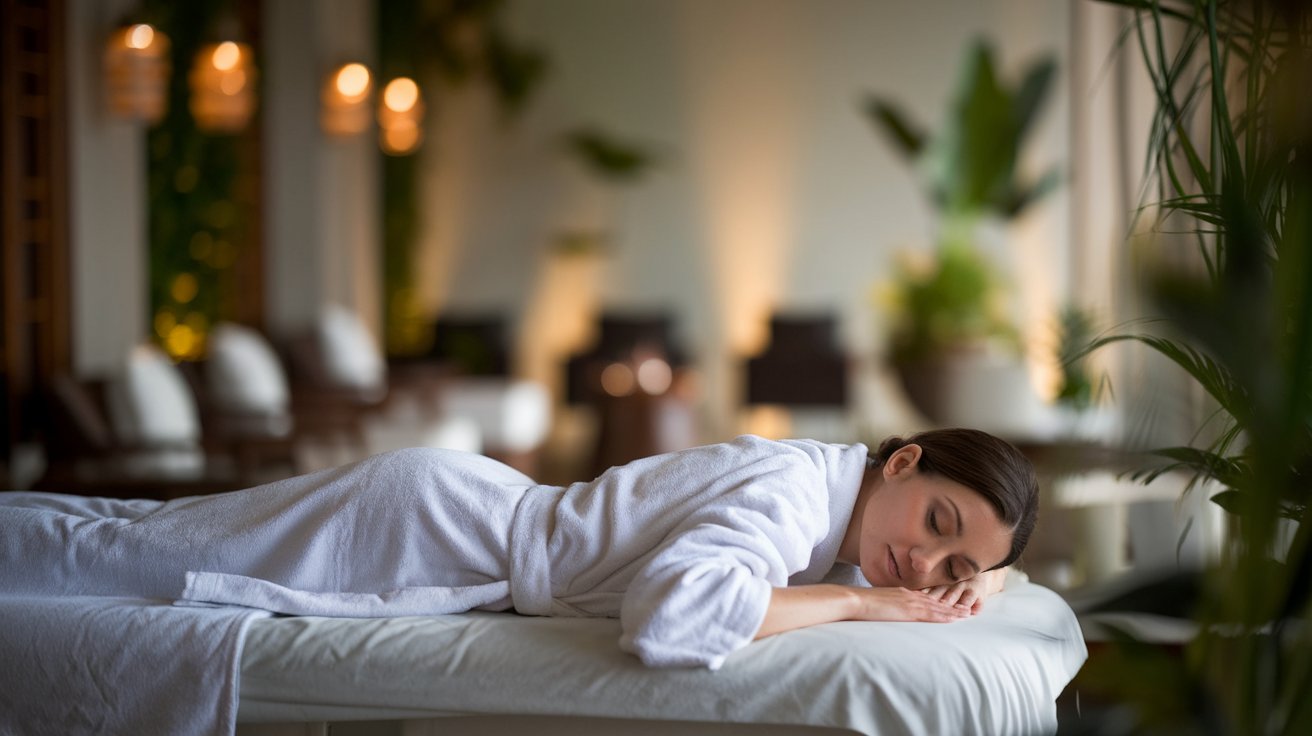
Choosing what to wear to a massage is one of the most common concerns for both first-time clients and experienced massage recipients. The answer depends on your massage type, personal comfort level, and therapist recommendations. Most massage therapists in the United States recommend undressing to your comfort level, which can range from fully clothed to completely undressed. Professional draping techniques ensure your privacy is maintained throughout the session, regardless of how much clothing you choose to wear.
General Guidelines: What to Wear Before, During, and After Your Massage
Understanding the general dress code for massage appointments helps you prepare appropriately and maximize your therapeutic experience. When arriving at your appointment, wear comfortable, loose-fitting clothes that are easy to remove and put back on. Most clients wear everyday casual attire such as yoga pants, t-shirts, or comfortable jeans. Avoid wearing complex outfits with multiple buttons, tight belts, or difficult fasteners that create unnecessary stress before your relaxing session.
During the massage itself, your clothing choices depend entirely on the massage type and your personal comfort preferences. In the United States, standard practice for Swedish, deep tissue, and therapeutic massages involves undressing to your underwear or completely, with professional draping maintaining modesty. Your massage therapist will leave the room while you undress and position yourself on the table under a clean sheet or towel. Only the body area being actively massaged is uncovered at any given time, ensuring complete privacy throughout your session.
After your massage, take your time getting dressed in a private, quiet space. Many people feel relaxed or slightly disoriented immediately following bodywork, so wearing slip-on shoes and comfortable clothing makes the post-massage transition smoother. Consider bringing a hair tie if you have long hair, as massage oils or lotions may affect your hairstyle. Plan to wear layers, as body temperature regulation can fluctuate after deep tissue work or relaxation therapy.
What to Wear for Different Types of Massages
Different massage modalities require specific clothing considerations to ensure both effectiveness and comfort. Understanding these variations helps you prepare appropriately and receive maximum therapeutic benefit from your chosen treatment style.
Swedish Massage and Deep Tissue Massage Attire
For Swedish massage and deep tissue treatments, most therapists in the United States recommend undressing completely or down to your underwear. These modalities use massage oils or lotions applied directly to skin, making clothing impractical and limiting the therapist’s ability to address muscle tension effectively. According to 2026 industry standards from the American Massage Therapy Association, approximately 78% of clients choose to undress completely for oil-based massages, with professional draping ensuring complete privacy. Your therapist uses sheets, towels, or blankets to cover your body, exposing only the specific area being worked on at any moment.
If you prefer keeping some clothing on during your massage, communicate this preference to your therapist beforehand. Some clients choose to wear underwear, athletic shorts, or a sports bra for added comfort. Keep in mind that massage oil may stain clothing, and fabric creates a barrier that reduces treatment effectiveness. Professional therapists respect your boundaries completely and will adjust their techniques to work within your comfort level while wearing clothes if that’s your preference.
Thai Massage and Stretch Therapy Clothing Requirements
Thai massage requires completely different attire than traditional Western massage styles. You should wear comfortable, loose-fitting clothing for Thai massage sessions, as this modality involves no oils and incorporates stretching, compression, and movement throughout the treatment. Ideal clothing choices include yoga pants or loose athletic pants, a comfortable t-shirt or tank top, and athletic socks. Avoid wearing jeans, restrictive clothing, belts, or anything with zippers that might cause discomfort during stretches and floor-based positions.
For stretch therapy or sports massage treatments, similar clothing guidelines apply. Wear flexible athletic wear that allows your therapist to assess your body mechanics and movement patterns clearly. Many sports massage therapists in the United States recommend compression shorts for male clients and athletic shorts with a sports bra for female clients. The clothing should be fitted enough for proper assessment but flexible enough to allow full range of motion during assisted stretching techniques. In 2026, approximately 65% of athletic recovery centers provide changing facilities with recommended attire guidelines posted clearly for client convenience.
Prenatal Massage Clothing Considerations
Pregnant clients often wonder what to wear for prenatal massage appointments, particularly regarding comfort and modesty during this sensitive time. Most prenatal massage therapists recommend undressing to your comfort level, typically to underwear, while using specialized pregnancy pillows and side-lying positions that ensure safety and comfort. The standard draping protocols apply, with additional attention to covering and supporting the growing belly throughout the session.
Many expectant mothers prefer wearing comfortable underwear or maternity undergarments during prenatal massage. Some facilities provide disposable underwear for clients who prefer extra coverage. If you’re experiencing any discomfort with undressing during pregnancy, communicate this to your therapist, who can modify techniques to work through loose clothing if necessary. According to 2026 data from prenatal wellness centers across the United States, approximately 82% of pregnant clients feel most comfortable undressing to underwear with professional draping, reporting better access to lower back and hip areas where pregnancy-related tension commonly accumulates.
Addressing Common Clothing Concerns and Questions
Many massage clients have specific concerns about clothing during massage appointments that deserve detailed, professional answers to ensure complete comfort and confidence.
Do You Need to Remove Your Underwear for a Massage
The question of whether to take off your underwear during a massage is entirely personal and based on your comfort level. In the United States, professional massage therapists work with clients fully clothed, partially clothed, or completely undressed, maintaining the same professional standards and draping techniques regardless. Approximately 45% of massage clients choose to keep underwear on during full body massage sessions, according to 2026 industry surveys, while others prefer complete undressing for unrestricted access to glutes and hip flexors.
If you choose to wear underwear during your massage, select seamless, comfortable styles that won’t create pressure points or restrict the therapist’s work. Thong-style underwear provides good coverage while allowing therapists to address lower back, hip, and upper glute areas effectively. Male clients often wear boxer briefs or athletic shorts. Remember that professional draping means your private areas remain covered at all times regardless of what you wear underneath the sheets. Your therapist will never ask you to remove more clothing than you’re comfortable removing, and your boundaries will be completely respected throughout the session.
What to Wear During Your Period or Menstrual Cycle
Wondering what to wear to a massage on your period is a common concern that shouldn’t prevent you from keeping your appointment. You can absolutely receive massage therapy during menstruation by taking simple preparation steps. Wear a tampon, menstrual cup, or period underwear that provides secure protection throughout your session. Most therapists recommend wearing comfortable underwear during your period for added security and peace of mind, even if you typically prefer complete undressing for massage treatments.
Communicate with your therapist if you’re experiencing menstrual discomfort or sensitivity during your appointment. Many people find that gentle massage actually reduces cramping and period-related tension, though some prefer avoiding deep abdominal work during heavy flow days. Your therapist can modify positioning and pressure to accommodate your comfort level. In 2026, approximately 73% of female massage clients in the United States report continuing regular massage appointments during their menstrual cycle, with proper preparation ensuring comfortable, effective sessions without concerns about clothing or protection.
Special Considerations for First-Time Massage Clients
First-time massage recipients often feel anxious about what to wear and undressing protocols, which is completely normal and expected. Professional massage therapists in the United States are trained to guide new clients through the process with clear, respectful communication. Before your first massage, your therapist will explain exactly what to expect, where to place your clothing, how to position yourself on the table, and what areas will be addressed during your session. This orientation typically takes 5-10 minutes and ensures you feel completely comfortable before the massage begins.
For your first massage appointment, consider these preparation tips: arrive 10-15 minutes early to complete intake forms and discuss your comfort preferences, avoid wearing complicated clothing or excessive jewelry that takes time to remove, and communicate any concerns about undressing or body exposure before the session starts. According to 2026 research from massage therapy schools across the United States, first-time clients who receive clear pre-session communication report 89% higher satisfaction and comfort levels compared to those who feel uncertain about protocols.
Remember that professional massage therapists maintain strict ethical boundaries and follow standardized draping procedures established by state licensing boards and professional associations. Your therapist will never see your full body exposed at once, will leave the room during undressing and dressing, and will only uncover the specific body area being massaged at any given moment. If you feel uncomfortable at any point, you have the absolute right to ask your therapist to adjust the draping, stop the treatment, or modify their approach. Building trust with your massage therapist over multiple sessions often helps first-time clients become more comfortable with the undressing process and therapeutic relationship.
What to Wear for Specific Treatment Areas and Targeted Massage
When booking massage appointments for specific body areas, your clothing choices may differ from full-body massage sessions. Understanding these variations helps you prepare appropriately and ensures your therapist can provide effective treatment.
Back Massage and Upper Body Treatment Attire
For back massage appointments focusing on the upper body, you have several clothing options depending on your comfort level and whether oils will be used. Female clients often wonder whether to remove their bra for back massage. The answer depends on treatment specifics: for oil-based massage with work along the spine and between shoulder blades, removing your bra allows better access and prevents oil staining. For clothed massage or acupressure treatments, you can wear a comfortable sports bra or soft bralette without underwire or tight clasps that create pressure points.
Male clients receiving back massage treatments typically remove their shirt completely, as this provides optimal access to the entire back, shoulders, and neck areas. If you prefer keeping some clothing on, wear a tank top or athletic shirt that can be easily adjusted or pulled aside. Many therapists can work effectively through thin fabric for certain techniques, though direct skin contact provides better therapeutic results for most back complaints. According to 2026 massage therapy protocols, approximately 68% of clients receiving targeted back massage remove all upper body clothing to maximize treatment effectiveness and oil application benefits.
Leg and Lower Body Massage Clothing Options
For massage focusing on legs, hips, and lower body areas, removing pants or trousers is typically recommended to allow proper access and oil application. Your massage therapist will use professional draping techniques to cover your upper body and expose only one leg at a time during the treatment. Most clients wear underwear or athletic shorts during lower body massage, with the therapist working around these garments while maintaining complete modesty through careful sheet placement.
If you’re receiving sports massage for leg recovery or injury treatment, wearing athletic shorts provides the best balance of access and coverage. Female clients can wear athletic shorts or bike shorts, while male clients often choose compression shorts or loose athletic shorts. Avoid wearing tight jeans, thick leggings, or pants with multiple pockets and zippers that must be removed. For targeted work on the glutes, hamstrings, and hip flexors, your therapist may request permission to slightly adjust your underwear or shorts to access specific muscle attachments, but this always requires your explicit consent and comfort.
Practical Tips to Maximize Comfort During Your Massage
Beyond basic clothing choices, several practical considerations enhance your massage experience and ensure you feel completely comfortable throughout your appointment. Remove all jewelry before your session, including rings, necklaces, bracelets, and earrings that might get caught in sheets or create pressure points when lying face-down. Watches and fitness trackers should also be removed, as massage oils can damage electronics and leather bands. Most massage facilities provide secure locations for valuables, but consider leaving expensive jewelry at home entirely.
Plan your personal hygiene appropriately before massage appointments. While therapists work with all body types and conditions professionally, arriving freshly showered shows respect for your practitioner and enhances your own relaxation. Avoid applying heavy lotions, perfumes, or body sprays immediately before your massage, as these can interfere with massage oils and potentially trigger allergies or sensitivities. If you’re coming directly from work or the gym, many facilities offer shower access for clients who want to freshen up before their session.
Consider your post-massage plans when choosing what to wear to your appointment. Massage oils may leave a light residue on your skin even after being absorbed, so avoid wearing expensive or delicate fabrics immediately after treatment. Many clients prefer wearing athletic wear or casual clothing that won’t be damaged by residual oils. If you have important meetings or events after your massage, bring a change of clothes and plan extra time for dressing. According to 2026 wellness industry surveys, approximately 71% of massage clients in the United States schedule appointments at the end of their day to maximize relaxation benefits without worrying about subsequent activities or clothing concerns.
Understanding Professional Draping and Privacy Standards
Professional draping techniques are the foundation of ethical massage therapy practice in the United States and directly impact what you choose to wear during your session. State licensing boards and organizations like the American Massage Therapy Association establish strict draping protocols that all licensed therapists must follow. These standards ensure that regardless of how much clothing you wear or remove, your private areas remain covered at all times except when receiving specific treatments that require exposure with explicit consent.
Standard draping involves using clean sheets, towels, or blankets to cover your entire body, exposing only the specific area being massaged at any moment. For example, when working on your left leg, the therapist uncovers only that leg while keeping your right leg, torso, and upper body completely draped. When transitioning to a new area, the exposed section is covered again before uncovering the next treatment zone. This systematic approach ensures continuous privacy throughout your massage, allowing you to relax completely without concerns about inappropriate exposure.
In 2026, enhanced draping protocols in many massage facilities include additional modesty options for clients who request them. These may include disposable shorts or chest drapes for female clients, double-sheet draping systems that provide extra security, and specialized bolsters that support comfortable positioning while maintaining coverage. Approximately 94% of licensed massage therapists in the United States report receiving ongoing education about trauma-informed care and draping techniques that honor diverse client comfort levels and cultural considerations. Understanding these professional standards helps you feel confident that your privacy will be maintained regardless of your clothing choices during massage therapy.
Cultural and Personal Considerations for Massage Attire
Cultural background, personal beliefs, and individual experiences significantly influence comfort levels with undressing for massage. Professional massage therapists in the United States receive training in cultural competency and understand that clients from different backgrounds may have varying comfort levels with body exposure and touch. Some cultures emphasize modesty more strongly, making complete undressing uncomfortable or inappropriate. Therapists respect these differences completely and adapt their approach to honor your personal and cultural values.
If your religious or cultural background makes undressing uncomfortable, communicate this to your therapist when booking your appointment. Many massage modalities can be performed effectively through clothing, including chair massage, Thai massage, shiatsu, and various acupressure techniques. Some facilities specialize in clothed massage therapies specifically to serve clients who prefer remaining fully dressed for personal, religious, or cultural reasons. According to 2026 diversity reports from major metropolitan massage practices, approximately 23% of clients request clothed or minimally undressed massage options due to cultural or personal preferences.
Past trauma or body image concerns also impact comfort with massage and undressing. Trauma-informed massage therapists understand that survivors of abuse or assault may need additional communication, control over draping, and the option to remain more fully clothed during sessions. Body image issues similarly affect comfort levels, though professional therapists work with all body types and sizes without judgment. If you have specific concerns related to trauma, body image, or past negative experiences, discuss these with your therapist beforehand so they can create a safe, comfortable environment tailored to your needs. Many clients find that gradual exposure over multiple sessions, starting with more clothing and slowly building trust, helps them eventually access the full benefits of traditional massage therapy.
Related video about what to wear to a massage
This video complements the article information with a practical visual demonstration.
FAQ – Common Questions
Do you wear clothes when getting a massage?
Whether you wear clothes during a massage depends on the massage type and your personal comfort level. For Swedish or deep tissue massage, most clients undress to their underwear or completely, with professional draping maintaining privacy throughout the session. For Thai massage, chair massage, or sports massage, you typically remain fully clothed in comfortable, flexible attire. Your massage therapist will explain their recommendations during your consultation, but the final decision about how much clothing to wear or remove is always yours. Professional therapists in the United States respect all comfort levels and adjust their techniques accordingly while maintaining the same high standards of therapeutic care.
What do you wear to a full body massage?
For a full body massage appointment, wear comfortable, loose-fitting clothing that’s easy to remove, such as yoga pants, a t-shirt, and slip-on shoes. Most full body massage sessions involve undressing to your underwear or completely once you’re in the treatment room, with your therapist stepping out to provide privacy. You’ll position yourself on the massage table under a sheet or towel, and professional draping techniques ensure only the body area being actively massaged is exposed at any time. Many clients choose to keep their underwear on for comfort, while others prefer complete undressing for unrestricted access to all muscle groups. Bring a hair tie if needed, and consider that massage oils might leave light residue, so avoid wearing expensive fabrics immediately after your session.
Can I get a massage while wearing my clothes?
Yes, you can absolutely receive massage therapy while wearing clothes, though this works better for certain massage types than others. Thai massage, chair massage, shiatsu, and many sports massage techniques are specifically designed to be performed through clothing and are highly effective without requiring any undressing. For oil-based massage like Swedish or deep tissue, working through clothes is less effective because fabric prevents proper oil application and limits the therapist’s ability to address muscle tension with direct skin contact. If you prefer staying clothed for personal, cultural, or comfort reasons, communicate this when booking your appointment so your therapist can recommend appropriate massage modalities and techniques. According to 2026 industry data, approximately 35% of massage sessions in the United States use clothed or minimally undressed approaches to accommodate diverse client preferences and comfort levels.
Do you take trousers off for a back massage?
For a massage focused specifically on your back, you typically don’t need to remove your trousers or pants, though removing your shirt is usually recommended for optimal access and oil application. Most back massage sessions involve lying face-down on the massage table with your lower body covered by sheets or towels, so pants can remain on without interfering with the treatment. However, comprehensive back massage often includes work on the lower back, sacrum, and hip areas where the waistband of trousers might restrict the therapist’s access. If your back pain extends into your lower back or hips, your therapist may recommend removing pants and working with professional draping, or they can work around your waistband if you prefer keeping pants on. For targeted upper back and shoulder massage, keeping pants on while removing your shirt provides the best balance of access and comfort for most clients.
What should first-timers wear to their first massage appointment?
First-time massage clients should wear comfortable, easy-to-remove clothing such as loose pants, a simple t-shirt, and slip-on shoes. Avoid complicated outfits with multiple layers, tight belts, or difficult fasteners that create stress when undressing. When you arrive, your massage therapist will explain what to expect, including how much clothing to remove based on your massage type and comfort level. They’ll leave the room while you undress and get on the table under the provided sheets. Most first-timers choose to keep their underwear on, which is perfectly acceptable and allows effective massage while maintaining extra modesty. Remember that professional draping ensures your privacy regardless of how much you undress, and you can always adjust your comfort level in future sessions as you build trust with your therapist. Approximately 89% of first-time massage clients in the United States report feeling completely comfortable after their initial session once they understand the professional protocols and privacy measures in place.
What should women wear to a massage when on their period?
Women can comfortably receive massage during their menstrual period by wearing a tampon, menstrual cup, or secure period underwear for protection. Most women choose to keep their underwear on during massage appointments while menstruating for added security and peace of mind, even if they typically prefer complete undressing. Wear comfortable, breathable underwear that provides adequate coverage and protection throughout your session. Communicate with your therapist if you’re experiencing menstrual cramping or sensitivity so they can adjust pressure and techniques accordingly. Many women find that gentle massage actually reduces period-related discomfort and cramping. Your therapist maintains professional draping throughout the session, and your period doesn’t interfere with receiving effective massage therapy. According to 2026 wellness surveys, approximately 73% of women continue their regular massage appointments during menstruation with proper preparation ensuring comfortable, beneficial sessions.
| Massage Type | Recommended Attire | Key Benefits |
|---|---|---|
| Swedish & Deep Tissue | Undress to underwear or completely with professional draping | Maximum therapeutic access, optimal oil application, unrestricted muscle work |
| Thai Massage | Loose, comfortable athletic clothing, yoga pants, flexible shirt | Full range of motion for stretching, no oil staining concerns, cultural appropriateness |
| Prenatal Massage | Undress to underwear with specialized positioning and draping | Access to lower back and hips, comfort during pregnancy, safe positioning options |
| Sports & Stretch Therapy | Fitted athletic wear, compression shorts, sports bra or athletic tank | Movement assessment capability, stretching effectiveness, muscle visibility for targeting |
| Back Massage (targeted) | Remove shirt, keep comfortable pants or underwear on | Direct spine and shoulder access, simplified undressing, focused treatment area |
| Chair or Clothed Massage | Comfortable everyday clothing, avoid thick fabrics or belts | No undressing required, cultural sensitivity accommodation, workplace convenience |