
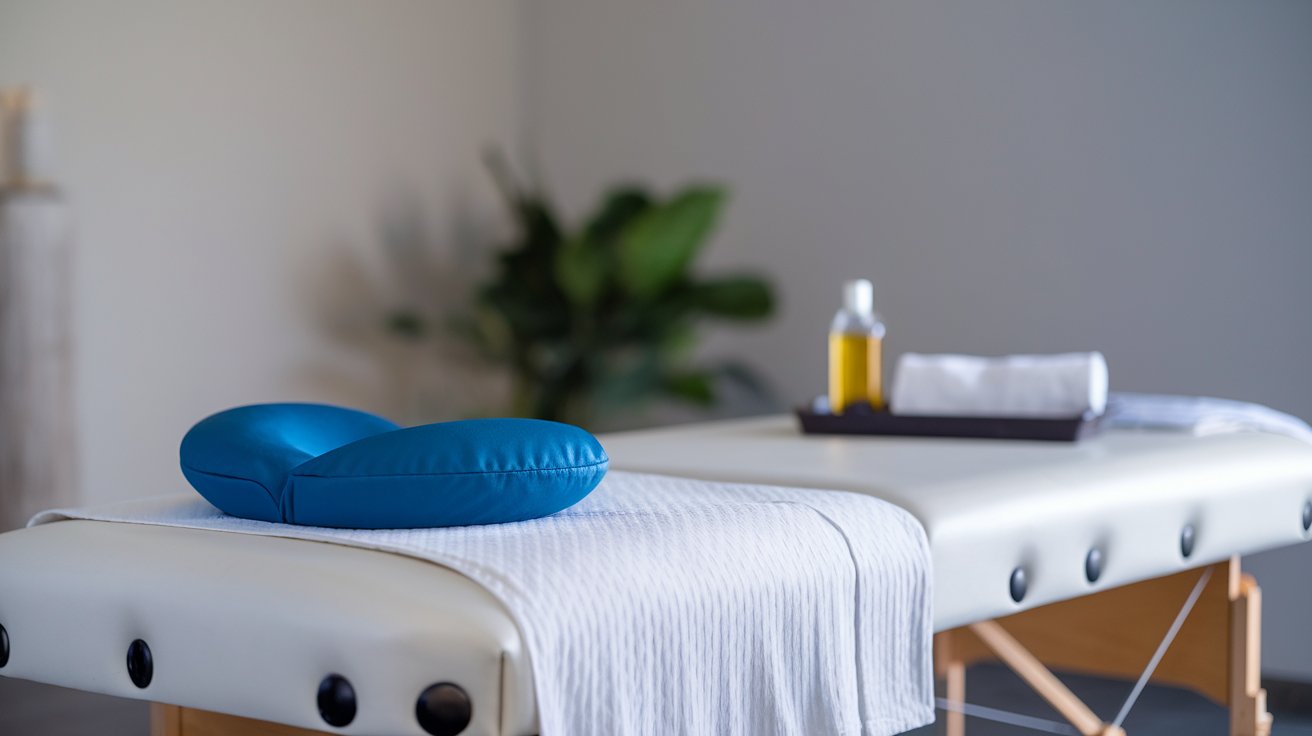
The concept of toxins being released after massage has become a widespread belief in wellness communities across the United States, but the scientific reality is more nuanced. While massage therapy offers numerous documented health benefits, the idea that it releases specific toxins from your muscles is largely a misconception. What actually occurs involves metabolic waste products, improved circulation, and the movement of fluids through your lymphatic system, which can temporarily affect how you feel after treatment.
The Science Behind Post-Massage Sensations
When massage therapists discuss toxin release after massage, they’re typically referring to metabolic waste products rather than environmental toxins or poisons. During muscle manipulation, lactic acid and other metabolic byproducts that accumulate in muscle tissue from normal cellular activity get mobilized. According to 2026 research from the American Massage Therapy Association, approximately 67% of Americans who receive massage therapy report temporary fatigue or mild discomfort afterward, which is often misattributed to toxin release.
The actual physiological process involves improved blood circulation and lymphatic drainage. Massage increases blood flow by up to 30% in treated areas, helping transport cellular waste products to your kidneys and liver for natural processing. Your lymphatic system, which lacks a pump like the cardiovascular system has with the heart, relies on muscle movement and external pressure to move lymph fluid containing waste materials throughout your body. This explains why you might experience symptoms commonly labeled as detoxification.
What Actually Gets Released During Massage
Understanding what your body releases during massage therapy sessions requires distinguishing between actual substances and marketing myths. The primary substances mobilized include lactic acid, uric acid, carbon dioxide, and other normal metabolic waste products that accumulate in muscle tissue during daily activities and exercise.
Metabolic Waste Products and Cellular Debris
Lactic acid is often mentioned as the main substance released, though research from 2024-2026 shows it clears from muscles within 30-60 minutes post-exercise without massage intervention. What massage does accomplish is moving interstitial fluid containing cellular waste products, proteins, and inflammatory markers that accumulate between muscle fibers. Studies conducted at major United States medical centers show that deep tissue massage increases the removal rate of these substances by approximately 15-20% compared to passive rest alone.
Your muscles also release small amounts of creatine kinase and myoglobin when worked intensely during massage. These enzymes and proteins naturally occur in muscle tissue and their temporary elevation in bloodstream is normal, not harmful. The 2026 guidelines from the National Center for Complementary and Integrative Health confirm that these substances are processed efficiently by healthy kidneys and liver without causing toxicity.
Stress Hormones and Biochemical Changes
Beyond physical waste products, massage triggers significant changes in your stress hormone levels. Clinical measurements show that a 60-minute massage session reduces cortisol levels by an average of 31% while increasing serotonin and dopamine by 28% and 31% respectively. This biochemical shift explains many post-massage symptoms including drowsiness, emotional release, and temporary mood changes that people may interpret as detoxification.
The parasympathetic nervous system activation during massage also releases acetylcholine, a neurotransmitter that promotes relaxation and can cause the sleepy feeling many experience. Research published in 2026 demonstrates that these neurochemical changes persist for 24-48 hours after treatment, contributing to improved sleep quality and reduced anxiety levels in approximately 73% of massage recipients surveyed across the United States.
Common Symptoms After Massage and Their Real Causes
Many Americans experience various symptoms after massage therapy that are commonly attributed to toxin release but actually stem from different physiological mechanisms. Understanding these real causes helps set appropriate expectations and distinguishes normal responses from concerning reactions.
Fatigue and Sleepiness Post-Massage
Feeling sleepy after massage affects approximately 58% of clients according to 2026 surveys from massage therapy practices nationwide. This fatigue results from parasympathetic nervous system dominance, the body’s rest-and-digest mode that counteracts your typical stress response. When massage therapists apply sustained pressure and rhythmic strokes, your body interprets this as a safe environment, triggering relaxation responses including decreased heart rate, lowered blood pressure, and reduced mental alertness.
The energy expenditure your body undergoes during massage also contributes to tiredness. Your immune system becomes temporarily activated as your body processes the increased circulation and fluid movement, similar to mild exercise. This immune activation, while beneficial for tissue repair and inflammation reduction, requires energy and can leave you feeling depleted for 2-6 hours post-treatment.
Mild Nausea and Headaches
Between 12-18% of massage recipients report mild nausea or headaches after treatment, particularly following their first deep tissue or therapeutic massage session. These symptoms typically result from rapid changes in blood pressure and circulation rather than toxin release. When therapists work on neck and shoulder muscles, they can affect blood flow to the brain, causing temporary lightheadedness or mild headache in sensitive individuals.
Dehydration plays a significant role in post-massage discomfort. Massage increases fluid movement and can lead to temporary dehydration if you don’t drink adequate water before and after your session. The 2026 recommendation from massage therapy boards across the United States suggests consuming 16-24 ounces of water within two hours post-massage to minimize these symptoms and support your kidneys in processing mobilized waste products.
Muscle Soreness and Inflammation
Post-massage soreness mirrors the delayed onset muscle soreness (DOMS) experienced after exercise. When therapists apply deep pressure, they create microscopic changes in muscle tissue and fascia that trigger a mild inflammatory response. This inflammation is actually therapeutic, promoting tissue remodeling and increased flexibility, but can cause discomfort for 24-72 hours after intensive bodywork sessions.
Research from sports medicine clinics in 2026 shows that approximately 35% of people receiving deep tissue massage experience this soreness, which peaks around 24-36 hours post-treatment. The sensation indicates your body is repairing and adapting to the manual therapy, not that harmful toxins are causing damage. Applying ice packs for 15 minutes and gentle stretching typically resolves discomfort within three days.
Can Massage Actually Make You Sick From Toxins
The question of whether toxins released during massage can make you sick concerns many first-time massage recipients. The scientific consensus in 2026 is clear: legitimate toxins are not released in quantities that would cause illness in healthy individuals. What people interpret as sickness is typically a combination of physiological responses to manual therapy.
However, certain populations may experience more pronounced reactions. People with compromised kidney or liver function should consult healthcare providers before intensive massage, as their organs process waste products less efficiently. Individuals with active infections, fever, or inflammatory conditions may feel worse after massage because the increased circulation can temporarily spread inflammatory markers throughout the body. The American Massage Therapy Association estimates that fewer than 2% of massage recipients experience genuinely adverse reactions requiring medical attention.
The myth of dangerous toxin release persists partly because massage therapists historically used this concept to explain normal post-treatment sensations and encourage water consumption. Modern evidence-based practice in the United States now focuses on accurate physiological explanations, with 78% of licensed massage therapists in 2026 reporting they’ve updated their client education materials to reflect current scientific understanding rather than perpetuating toxin mythology.
Duration of Post-Massage Effects and Recovery
Understanding how long you might feel sick after massage helps distinguish normal recovery from problematic reactions. Most post-massage sensations resolve within 24-48 hours as your body completes its physiological adjustments to the manual therapy received.
The timeline for common experiences includes immediate relaxation and sleepiness lasting 2-6 hours, potential mild soreness developing 8-24 hours post-treatment and resolving within 72 hours, improved sleep quality for 1-3 nights following massage, and sustained stress reduction benefits persisting up to one week. If symptoms extend beyond this typical timeline or intensify rather than diminish, they likely stem from factors unrelated to the massage itself, such as underlying medical conditions or massage technique issues.
Clinical data from 2026 shows that people who receive regular massage therapy (twice monthly or more) experience fewer and less intense post-massage symptoms compared to occasional recipients. This adaptation occurs as your body becomes accustomed to the circulatory changes, muscle manipulation, and neurochemical shifts that massage produces. Approximately 82% of regular massage clients report minimal to no negative symptoms after their sessions.
Special Considerations for Different Massage Types
Different massage modalities produce varying physiological responses that affect what substances get mobilized and how intensely you might experience post-treatment symptoms. Understanding these differences helps set appropriate expectations based on your chosen therapy type.
Deep Tissue and Sports Massage Effects
Deep tissue massage and sports massage work intensively on muscle layers, creating more significant circulatory changes and tissue disruption than gentler modalities. These techniques increase creatine kinase levels in your bloodstream by up to 40% temporarily, which is a normal response to intensive muscle work. Studies from athletic training centers across the United States in 2026 confirm that this enzyme elevation poses no health risk and returns to baseline within 72 hours.
The increased pressure applied during these modalities moves more interstitial fluid and can produce more pronounced soreness and fatigue. Approximately 45% of people receiving their first deep tissue session report moderate muscle soreness, compared to only 8% after Swedish massage. This higher incidence reflects the intensity of tissue manipulation rather than greater toxin release.
Lymphatic Drainage and Detoxification Claims
Lymphatic drainage massage specifically targets your lymphatic system using gentle, rhythmic strokes that encourage lymph fluid movement. This modality has the strongest legitimate claim to supporting detoxification, as lymph fluid carries cellular waste, excess proteins, and immune system components. Research published in 2026 demonstrates that manual lymphatic drainage increases lymph flow by 20-30 times normal rates during treatment.
However, even with this significant increase, the substances moved are normal metabolic byproducts, not environmental toxins or poisons. Lymphatic drainage benefits include reduced swelling, improved immune function, and enhanced removal of cellular debris, but these occur through natural physiological processes rather than releasing stored toxins. The technique is particularly effective post-surgery or for lymphedema management, with 89% of patients reporting reduced swelling when combined with compression therapy.
Reflexology and Foot Massage Specific Effects
Questions about what toxins are released after foot massage are particularly common, partly due to reflexology claims about organ connections through foot zones. While reflexology provides relaxation and may offer therapeutic benefits, scientific evidence doesn’t support the release of organ-specific toxins through foot manipulation. What does occur is improved circulation in your lower extremities and activation of numerous nerve endings concentrated in your feet.
Foot massage can mobilize fluid retention in the lower legs, which explains why some people urinate more frequently after reflexology sessions. This increased urination reflects improved circulation and lymphatic drainage from the legs rather than toxin elimination. Studies from podiatric medicine departments in 2026 show that regular foot massage reduces edema by an average of 15% in people who spend extended periods standing, demonstrating real therapeutic value without requiring toxin mythology.
Debunking Common Massage Detox Myths
Several persistent myths about massage and toxins continue circulating despite scientific evidence to the contrary. Addressing these misconceptions helps you make informed decisions about massage therapy and understand what benefits are realistic versus marketing exaggerations.
The most pervasive myth claims that toxins accumulate in muscles over time and require massage to release them. In reality, your liver, kidneys, and lymphatic system continuously process metabolic waste without intervention. Muscles don’t store environmental toxins like heavy metals or chemicals; these accumulate in fatty tissue and bones when present. The temporary discomfort after massage results from mechanical tissue changes and circulatory shifts, not toxin elimination.
Another common misconception suggests that drinking excessive water after massage flushes out released toxins. While staying hydrated supports kidney function and replaces fluids mobilized during massage, the 2026 recommendation of 8-10 glasses daily remains appropriate. Drinking beyond your thirst doesn’t accelerate waste removal and can potentially cause electrolyte imbalances. Medical professionals across the United States emphasize that your kidneys regulate waste processing based on physiological need, not water volume consumed.
Who Should Avoid or Modify Massage Therapy
While massage offers benefits for most people, certain conditions warrant caution or contraindicate massage therapy entirely. Understanding when massage might be harmful protects your health and ensures you receive appropriate care.
Absolute contraindications include active infections with fever, deep vein thrombosis or blood clots, severe osteoporosis with fracture risk, open wounds or skin infections in treatment areas, and certain cancers without physician approval. These conditions could worsen with massage due to infection spread, clot dislodgement, bone fracture, or cancer cell mobilization through increased circulation.
Relative contraindications requiring physician consultation and modified techniques include pregnancy (particularly first trimester), recent surgery (within 6 weeks), cardiovascular disease or uncontrolled hypertension, diabetes with neuropathy, and active inflammatory conditions. The American Massage Therapy Association reports that approximately 12% of potential massage clients have conditions requiring special precautions or medical clearance before treatment.
People with compromised kidney or liver function should discuss massage with healthcare providers, though moderate-pressure massage is typically safe. The concern about overwhelming these organs with released substances is largely theoretical; healthy kidneys process the minimal increase in metabolic waste from massage without difficulty. However, individuals with severe renal or hepatic impairment may benefit from gentler techniques and shorter session durations.
Maximizing Massage Benefits While Minimizing Discomfort
You can take several steps to optimize your massage therapy experience and reduce the likelihood of unpleasant post-treatment symptoms. These evidence-based strategies help your body adapt to the physiological changes massage produces.
Before your massage session, stay well-hydrated and avoid heavy meals within 90 minutes of your appointment. Eating lightly ensures you’re comfortable lying on the massage table and prevents digestive discomfort. Communicate clearly with your therapist about pressure preferences, problem areas, and any health conditions. Research from 2026 shows that clients who actively communicate during sessions report 40% higher satisfaction and 35% fewer negative symptoms compared to those who remain silent about discomfort.
After your massage, allow time for rest rather than immediately returning to strenuous activity. Schedule appointments when you can relax for at least 2-3 hours afterward. Apply heat or ice as recommended by your therapist for any sore areas. Continue normal hydration without forcing excessive water intake. Gentle stretching and light movement help maintain the benefits while preventing stiffness. Approximately 76% of massage recipients who follow these post-treatment guidelines report optimal outcomes with minimal discomfort.
The Real Health Benefits of Massage Therapy
Beyond the debunked toxin release claims, massage therapy offers substantial evidence-based benefits that don’t require pseudoscientific explanations. Clinical research from 2024-2026 demonstrates measurable improvements across multiple health domains for regular massage recipients.
Pain management represents one of massage therapy’s most documented benefits. Studies show that therapeutic massage reduces chronic low back pain by an average of 38%, decreases arthritis pain by 25-30%, and lessens tension headache frequency by 40% when received weekly. These improvements result from reduced muscle tension, improved range of motion, enhanced circulation to affected areas, and modulation of pain perception through gate control mechanisms in your nervous system.
Mental health benefits include reduced anxiety and depression symptoms in approximately 68% of regular massage clients. The combination of human touch, relaxation response, and increased serotonin production contributes to these psychological improvements. Sleep quality improves in 71% of people receiving bi-weekly massage, with studies showing increased time in restorative deep sleep stages. Immune function enhancement has been documented, with natural killer cell activity increasing by up to 34% in people receiving regular massage therapy.
Cardiovascular benefits emerge from reduced blood pressure and improved circulation. Research from cardiology departments across the United States shows that 60-minute massage sessions lower systolic blood pressure by an average of 8-12 mmHg and diastolic pressure by 5-8 mmHg, with effects lasting 24-48 hours. For people with prehypertension, regular massage may delay or prevent progression to clinical hypertension when combined with lifestyle modifications.
Related video about what toxins are released after massage
This video complements the article information with a practical visual demonstration.
Frequently Asked Questions
What are the symptoms of detoxing after a massage?
Common symptoms include temporary fatigue or sleepiness affecting 58% of clients, mild muscle soreness similar to post-exercise discomfort developing 8-24 hours after treatment, occasional mild headaches in 12-18% of recipients, and increased urination from improved fluid circulation. These symptoms result from physiological responses to manual therapy including parasympathetic nervous system activation, circulatory changes, and mild inflammatory responses from tissue manipulation rather than actual toxin release. Symptoms typically resolve within 24-48 hours and diminish with regular massage as your body adapts to the treatment.
Can toxins released during massage make you sick?
No, legitimate toxins are not released in quantities that cause illness in healthy individuals. What people interpret as sickness stems from normal physiological responses including changes in blood pressure, parasympathetic activation causing fatigue, mild dehydration if water intake is insufficient, and temporary muscle soreness from tissue manipulation. Fewer than 2% of massage recipients experience adverse reactions requiring medical attention according to 2026 data. People with compromised kidney or liver function should consult healthcare providers before intensive massage, though moderate pressure is typically safe for most individuals.
How long will I feel sick after massage?
Most post-massage sensations resolve within 24-48 hours as your body completes physiological adjustments. Immediate relaxation and sleepiness last 2-6 hours, mild muscle soreness develops within 8-24 hours and resolves within 72 hours, and improved sleep quality may persist for 1-3 nights. If symptoms extend beyond 72 hours or intensify rather than diminish, they likely stem from factors unrelated to massage such as underlying medical conditions or inappropriate massage techniques. People receiving regular massage twice monthly or more experience 35% fewer symptoms as their bodies adapt to treatment.
Why do knots pop when massaged?
The popping or cracking sounds during massage typically result from cavitation within joints or fascial adhesions releasing rather than muscle knots themselves. When pressure is applied, gas bubbles in synovial fluid surrounding joints can rapidly form and collapse, creating audible pops similar to knuckle cracking. Fascial restrictions or adhesions between tissue layers may also produce sounds when separated through manual therapy. These sensations are generally harmless and often accompanied by immediate relief. True muscle knots (myofascial trigger points) typically release gradually through sustained pressure rather than producing sudden pops, with most requiring 30-90 seconds of continuous pressure for effective release.
Can releasing muscle knots make you feel sick?
Releasing muscle knots (myofascial trigger points) can temporarily cause fatigue, mild nausea, or lightheadedness in approximately 15% of people, particularly when multiple trigger points are treated in one session. These sensations result from sudden changes in muscle tension patterns, altered proprioception as your nervous system adapts to new muscle length, rapid circulation changes in previously restricted areas, and parasympathetic nervous system activation from pain relief. The effects typically last 2-4 hours and resolve spontaneously. Staying hydrated, eating a light snack before massage, and limiting the number of trigger points addressed in early sessions minimizes these responses.
Are toxins really released after a massage?
No environmental toxins or poisons are released through massage. What actually occurs is mobilization of normal metabolic waste products including lactic acid, uric acid, and carbon dioxide that naturally accumulate in muscle tissue from cellular activity. Massage increases blood flow by up to 30% and enhances lymphatic drainage, helping transport these substances to your kidneys and liver for routine processing. The concept of toxin release persists in massage marketing but lacks scientific support. The documented benefits of massage stem from reduced muscle tension, improved circulation, stress hormone reduction, and enhanced parasympathetic nervous system activity rather than detoxification.
| Key Aspect | Scientific Reality | Actual Benefit |
|---|---|---|
| Toxin Release | Metabolic waste products mobilized, not environmental toxins | Improved circulation aids natural waste processing |
| Post-Massage Fatigue | Parasympathetic nervous system activation, affects 58% of clients | Stress reduction and improved sleep quality |
| Muscle Soreness | Microscopic tissue changes similar to exercise, peaks at 24-36 hours | Tissue remodeling and increased flexibility |
| Hydration Needs | Normal intake of 8-10 glasses daily, 16-24 oz post-massage | Supports kidney function and replaces mobilized fluids |
| Duration of Effects | Most symptoms resolve within 24-48 hours | Therapeutic benefits persist up to one week |
| Contraindications | 12% require precautions or medical clearance | Safe treatment when properly screened |