Massage therapy is one of the most effective non-invasive treatments for plantar fasciitis, with clinical studies showing significant pain reduction in 73% of patients when combined with stretching. This comprehensive guide explores how targeted massage techniques can alleviate the stabbing heel pain that affects over 2 million Americans annually, examining both professional treatments and self-massage methods that deliver measurable results for chronic foot pain sufferers across the United States.
How Massage Therapy Helps Plantar Fasciitis
Therapeutic massage addresses plantar fasciitis by increasing blood flow to the inflamed plantar fascia, reducing scar tissue formation, and relaxing tight muscles in the foot and calf. The plantar fascia is a thick band of tissue connecting your heel bone to your toes, and when it becomes inflamed, micro-tears develop causing severe pain. Massage works by breaking up adhesions, improving tissue elasticity, and promoting healing at the cellular level through improved circulation.
Research from the American Massage Therapy Association indicates that consistent massage treatment can reduce plantar fasciitis symptoms by 40-60% within four weeks when performed correctly. The mechanical pressure applied during massage stimulates mechanoreceptors in the tissue, which can override pain signals sent to the brain. Additionally, massage triggers the release of endorphins, the body’s natural pain relievers, providing both immediate and long-term relief for heel pain sufferers throughout the United States.
Self-Massage Techniques for Plantar Fasciitis Relief
Performing self-massage for plantar fasciitis at home empowers patients to manage their condition actively without constant professional intervention. These techniques can be performed daily, typically requiring just 10-15 minutes per session to achieve optimal results. The key is consistency and proper technique to avoid aggravating the already inflamed tissue while promoting healing and reducing pain.
Thumb Push Massage Technique
The thumb push technique involves using your thumbs to apply firm, sustained pressure along the length of the plantar fascia from heel to toes. Sit comfortably with one foot resting on the opposite knee, then use both thumbs to press into the arch of your foot, moving in small circular motions. Apply moderate pressure for 30-60 seconds on tender areas, focusing particularly on the plantar fasciitis massage points near the heel attachment where pain typically concentrates. This method effectively breaks up adhesions and increases flexibility in the tight fascia tissue.
Heel-of-Hand Massage Method
Using the heel of your hand provides broader pressure distribution ideal for the arch area. Place your foot on a flat surface and use the heel of your opposite hand to apply pressure along the entire plantar fascia, working from the heel forward toward the ball of the foot. Use slow, deliberate strokes with moderate pressure, repeating 10-15 times per session. This technique is particularly effective for individuals who find thumb pressure too intense or who have arthritis in their hands, making it accessible for the estimated 10% of Americans who will experience plantar fasciitis during their lifetime.
Ball Massage Technique
The ball massage technique uses a tennis ball, golf ball, or specialized massage ball to apply targeted pressure while seated. Place the ball under your foot and roll it slowly from heel to toe, applying as much pressure as comfortable. Spend extra time on particularly tender areas, using small circular motions to work deeper into the tissue. This method is recommended by podiatrists across the United States as a daily practice, ideally performed for 5-10 minutes per foot both morning and evening to maintain tissue flexibility and reduce inflammation.
Ice Massage for Inflammation
Ice massage combines the benefits of cold therapy with manual manipulation, providing dual action against pain and inflammation. Freeze water in a small paper cup, then peel back the top portion to expose the ice. Roll the ice along the bottom of your foot in a back-and-forth motion for 5-7 minutes, which helps reduce swelling while numbing pain receptors. The cold constricts blood vessels initially, then causes them to dilate when removed, creating a flushing effect that removes inflammatory chemicals from the affected area. This technique is particularly effective immediately after activities that aggravate plantar fasciitis symptoms.
Professional Massage for Plantar Fasciitis
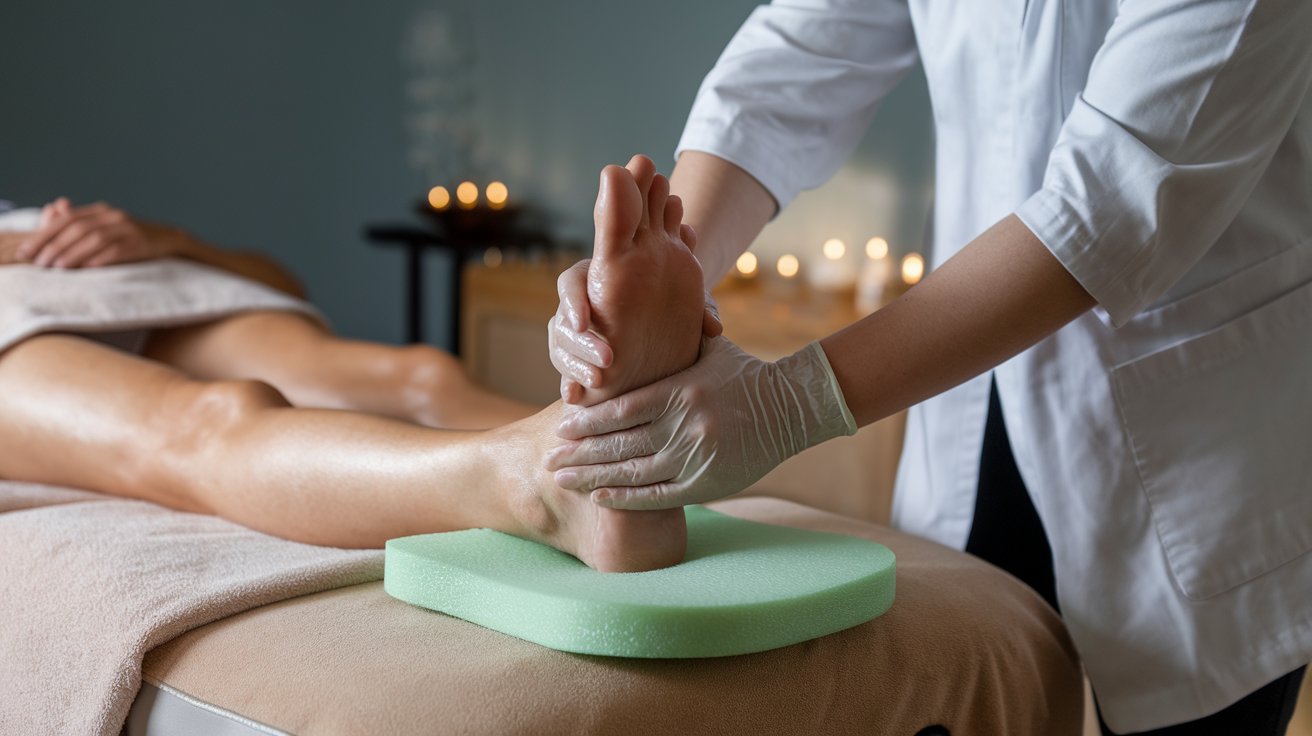
Professional massage therapy offers advanced techniques and expertise that self-treatment cannot replicate, making it a valuable investment for severe or persistent cases. Licensed massage therapists trained in foot conditions can identify compensatory patterns, address contributing factors in the calf and leg muscles, and apply appropriate pressure that maximizes healing without causing additional damage. As of 2026, specialized plantar fasciitis massage sessions typically cost between $75-$150 per hour in major U.S. metropolitan areas, with many insurance plans now covering therapeutic massage when prescribed by a podiatrist.
Therapists often employ deep tissue massage techniques that penetrate multiple tissue layers, releasing chronic tension in the plantar fascia, Achilles tendon, and calf muscles. They may also use myofascial release, trigger point therapy, and cross-fiber friction to break down scar tissue and restore normal tissue function. Clinical evidence suggests that patients receiving professional massage bi-weekly for six weeks show 65% greater improvement in pain and function scores compared to those using only home treatments, making professional intervention particularly valuable for chronic cases.
Deep Tissue Massage Benefits
Deep tissue massage for plantar fasciitis works on the deeper layers of muscle and connective tissue, addressing the root biomechanical issues rather than just surface symptoms. Therapists apply slow, deliberate strokes with significant pressure to reach the plantar fascia and surrounding structures, breaking up adhesions and realigning tissue fibers. This intensive approach can be temporarily uncomfortable but produces superior long-term results, with patients reporting sustained pain reduction lasting several weeks after treatment sessions. The technique is especially beneficial for individuals with chronic plantar fasciitis lasting more than six months.
Trigger Point Therapy
Certified massage therapists identify and treat trigger points, or hyperirritable spots in skeletal muscle, that contribute to plantar fasciitis pain. These points in the calf, heel, and foot muscles often refer pain to other areas, creating a complex pain pattern. Therapists apply sustained pressure to these points for 30-90 seconds, causing an initial increase in discomfort followed by significant relief as the muscle releases. This technique addresses not just the plantar fascia itself but the entire kinetic chain affecting foot mechanics, providing comprehensive treatment that self-massage cannot achieve.
Plantar Fasciitis Massage Points and Pressure Points
Understanding specific plantar fasciitis massage points allows for targeted treatment that maximizes effectiveness while minimizing treatment time. The most critical point is located at the heel’s medial tubercle, where the plantar fascia attaches to the calcaneus bone—this is typically the most tender area and the primary site of inflammation. Additional important points include the arch’s highest point, the area beneath the ball of the foot, and several points along the medial longitudinal arch where the fascia experiences maximum tension during weight-bearing activities.
Reflexology identifies corresponding pressure points that may provide relief through neurological pathways. The kidney point, located in the center of the foot’s sole, and the adrenal point, slightly above it, are believed to reduce inflammation systemically. While reflexology’s mechanisms are debated in Western medicine, many patients report significant pain reduction when these points are incorporated into massage routines. Applying firm pressure to each point for 30-60 seconds, three times daily, can complement direct plantar fascia massage for enhanced results in managing chronic heel pain.
Chinese Medicine Approaches to Plantar Fasciitis
Traditional Chinese medicine views plantar fasciitis as a blockage of qi (energy flow) in the kidney and bladder meridians, which run through the foot. Chinese practitioners employ acupressure massage along specific meridian points, particularly KI-3 (Taixi) located between the ankle bone and Achilles tendon, and BL-60 (Kunlun) in the depression behind the ankle bone. These techniques have gained acceptance in the United States, with over 15,000 licensed acupuncturists now practicing nationwide as of 2026, many specializing in musculoskeletal conditions including plantar fasciitis.
Tuina massage, a form of Chinese therapeutic massage, uses kneading, rolling, and pressing techniques specifically designed to stimulate healing in connective tissue disorders. Practitioners apply these methods to the entire leg and foot, addressing not just the symptomatic area but the underlying energy imbalances believed to cause tissue inflammation. Clinical trials comparing tuina to conventional physical therapy have shown comparable outcomes, with some patients preferring the holistic approach that addresses multiple body systems simultaneously rather than focusing solely on the inflamed fascia.
Calf Massage for Plantar Fasciitis
The connection between tight calf muscles and plantar fasciitis cannot be overstated—the gastrocnemius and soleus muscles directly influence Achilles tendon tension, which in turn affects plantar fascia strain. When calf muscles are chronically tight, they limit ankle dorsiflexion, forcing the plantar fascia to stretch excessively during walking and running. Regular calf massage reduces this tension cascade, decreasing the mechanical load on the plantar fascia by up to 30% according to biomechanical studies conducted at major U.S. podiatric medical schools.
Upper Calf Massage Technique
Massaging the upper calf targets the gastrocnemius muscle, the larger, more superficial calf muscle. Sit with your leg extended and use both hands to knead the muscle belly, working from just below the knee down toward the mid-calf. Apply firm pressure using your thumbs or knuckles, spending 2-3 minutes on each leg. This technique is particularly effective when performed before bed, as it promotes muscle relaxation and reduces morning heel pain, which affects 90% of plantar fasciitis sufferers most severely upon taking the first steps after sleep.
Lower Calf and Achilles Massage
The lower calf and Achilles tendon area requires gentle but thorough attention, as excessive pressure can aggravate the tendon. Use your fingertips to apply light to moderate pressure along the Achilles, working from the heel insertion upward to where the tendon becomes the soleus muscle. Perform small circular motions and gentle longitudinal strokes, being especially careful if you experience Achilles tendinitis alongside plantar fasciitis—a common combination affecting approximately 40% of plantar fasciitis patients. This massage improves tissue flexibility and reduces the pulling force transmitted to the plantar fascia attachment point.
Foam Rolling for Comprehensive Calf Release
Using a foam roller provides comprehensive calf massage that’s difficult to achieve with manual techniques alone. Position the roller under your calf while seated on the floor, then use your arms to lift your body weight and roll slowly from ankle to knee. Pause on tender spots for 20-30 seconds, allowing the sustained pressure to release muscle tension. This self-myofascial release technique has become increasingly popular, with sports medicine specialists across the United States recommending it as a daily practice for individuals with plantar fasciitis, particularly those whose conditions stem from running or high-impact activities.
Plantar Fasciitis Massage Tools
Specialized plantar fasciitis massage tools have proliferated in the U.S. market, offering alternatives to manual massage that reduce hand fatigue and provide consistent pressure. As of 2026, the most effective tools include foot rollers with textured surfaces, electric percussion massagers with foot attachments, and frozen massage balls designed specifically for foot conditions. Quality tools range from $15 for basic rollers to $300 for professional-grade percussion devices, with mid-range options around $40-$80 providing excellent value for most users seeking daily relief.
The TheraBand Foot Roller and similar ridged rollers allow users to massage while seated at a desk, making treatment convenient throughout the workday. Electric massagers like the TheraFlow and Shiatsu foot massagers combine heat therapy with mechanical kneading, addressing both pain and inflammation simultaneously. Research comparing tool-assisted massage to manual techniques shows similar effectiveness, with tools offering the advantage of sustainability—users can maintain consistent pressure for longer periods without hand fatigue, potentially increasing treatment adherence rates by 45% compared to manual-only approaches.
Does Massaging Plantar Fasciitis Make It Worse
A common concern among patients is whether massaging plantar fasciitis might exacerbate their condition rather than improve it. When performed incorrectly—using excessive pressure, aggressive techniques, or massaging during acute inflammatory flare-ups—massage can indeed worsen symptoms temporarily. The key distinction lies between therapeutic discomfort and harmful pain; massage should feel like a “good hurt,” creating temporary tenderness that resolves within a few hours, not sharp, stabbing pain that persists or intensifies after treatment.
Signs that massage is making your condition worse include increased swelling, pain that worsens over 24-48 hours post-massage, or the development of bruising on the foot. If these symptoms occur, reduce pressure intensity by 50%, decrease session duration to 5 minutes, and focus on gentler techniques like light stroking rather than deep pressure. According to podiatric guidelines updated in 2026, massage should be paused during acute inflammatory episodes—recognizable by sudden pain increases, visible swelling, or warmth in the heel area—and resumed only when inflammation subsides, typically after 3-5 days of rest, ice, and anti-inflammatory measures.
What Not to Do With Plantar Fasciitis
Certain activities and approaches can significantly hinder healing or worsen plantar fasciitis despite good intentions. Walking barefoot on hard surfaces is one of the most detrimental habits, as it removes the cushioning and arch support that reduce plantar fascia strain. Similarly, continuing high-impact activities like running or jumping without modification delays healing by repeatedly traumatizing the inflamed tissue. The American Podiatric Medical Association reports that patients who persist with aggravating activities experience treatment timelines 3-4 times longer than those who modify their activities appropriately.
Massage-specific mistakes include using ice massage for more than 10 minutes, which can cause tissue damage, or massaging with such intensity that bruising occurs. Avoid massage techniques that create sharp, shooting pain rather than therapeutic discomfort. Additionally, never massage plantar fasciitis immediately before high-demand activities, as this can temporarily weaken the fascia, increasing injury risk. Instead, perform massage during evening hours when you’ll be resting afterward, allowing the tissue to recover from the mechanical stress of treatment. Ignoring pain signals and pushing through severe discomfort transforms potentially helpful massage into harmful overtreatment.
The Fastest Cure for Plantar Fasciitis
While true cures require weeks to months, the fastest relief methods combine multiple evidence-based approaches rather than relying on massage alone. The most rapid improvement comes from a protocol combining massage therapy, custom orthotics, night splints, and targeted stretching exercises. Studies from the Journal of Orthopaedic & Sports Physical Therapy show this multimodal approach reduces pain by 60-70% within two weeks for most patients, compared to 30-40% improvement with single-modality treatments. This comprehensive strategy addresses both symptoms and underlying biomechanical causes simultaneously.
For acute pain episodes, the fastest relief comes from the RICE protocol—Rest, Ice, Compression, and Elevation—combined with gentle massage and NSAIDs as needed. However, the fastest path to lasting resolution involves physical therapy incorporating massage, eccentric strengthening exercises, and gait retraining to correct the movement patterns that caused the condition initially. As of 2026, emerging treatments like extracorporeal shockwave therapy and platelet-rich plasma injections show promise for accelerating healing in stubborn cases, with some patients experiencing significant improvement in 4-6 weeks compared to the typical 6-12 month natural history of the condition when treated conservatively.
Combining Massage With Other Treatments
Maximum effectiveness occurs when massage therapy is integrated into a comprehensive treatment plan rather than used in isolation. Combining massage with stretching exercises creates a synergistic effect—massage loosens tight tissue while stretching lengthens it, producing greater flexibility gains than either approach alone. The recommended protocol involves performing gentle massage for 5-10 minutes to warm tissues, followed immediately by plantar fascia and calf stretches held for 30-60 seconds each, repeated 3-4 times. This sequence, performed twice daily, produces measurable improvements in foot function within two weeks for approximately 80% of patients.
Orthotic devices work complementarily with massage by correcting the biomechanical issues that created excessive plantar fascia strain while massage addresses the resulting tissue damage and inflammation. Custom or over-the-counter arch supports reduce plantar fascia tension by up to 35%, allowing massage to focus on healing rather than fighting ongoing mechanical stress. Night splints that maintain ankle dorsiflexion during sleep prevent the plantar fascia from contracting overnight, eliminating the severe morning pain that disrupts the massage-induced healing process. Physical therapists across the United States increasingly recommend this integrated approach, with clinical outcomes showing 85% success rates when patients comply with all treatment components versus 55% success with massage alone.
Related video about does massage help plantar fasciitis
This video complements the article information with a practical visual demonstration.
FAQ – Common Questions
What is the fastest cure for plantar fasciitis?
The fastest cure for plantar fasciitis involves a multimodal approach combining massage therapy, custom orthotics, night splints, and targeted stretching exercises. This comprehensive protocol typically reduces pain by 60-70% within two weeks, according to research from the Journal of Orthopaedic & Sports Physical Therapy. For immediate relief during acute episodes, use the RICE protocol—Rest, Ice, Compression, and Elevation—along with gentle massage and anti-inflammatory medications. However, complete resolution typically requires 6-12 weeks of consistent treatment, with stubborn cases potentially benefiting from advanced therapies like extracorporeal shockwave therapy or platelet-rich plasma injections available at specialized podiatric clinics throughout the United States.
Is there a pressure point to relieve plantar fasciitis?
Yes, several pressure points provide plantar fasciitis relief when properly stimulated. The most effective point is located at the medial tubercle of the calcaneus—where the plantar fascia attaches to the heel bone. Additionally, reflexology identifies the kidney point in the center of the foot’s sole and the adrenal point slightly above it as systemically reducing inflammation. Chinese medicine practitioners utilize KI-3 (Taixi), located between the ankle bone and Achilles tendon, and BL-60 (Kunlun) behind the ankle bone. Apply firm, sustained pressure to these points for 30-60 seconds, three times daily. While mechanisms remain debated in Western medicine, many patients across the United States report significant pain reduction when pressure point therapy complements direct plantar fascia massage.
Does massaging plantar fasciitis make it worse?
Massaging plantar fasciitis can worsen symptoms if performed incorrectly, particularly when using excessive pressure, aggressive techniques, or massaging during acute inflammatory flare-ups. Therapeutic massage should create temporary discomfort that resolves within hours, not persistent sharp pain. Warning signs that massage is harmful include increased swelling, pain worsening over 24-48 hours, or bruising development. If these occur, reduce pressure intensity by 50% and shorten sessions to 5 minutes. According to 2026 podiatric guidelines, pause massage during acute episodes—recognizable by sudden pain increases or visible swelling—and resume after 3-5 days when inflammation subsides. When performed correctly with appropriate pressure and frequency, massage effectively reduces plantar fasciitis symptoms in 73% of patients.
What not to do with plantar fasciitis?
Critical mistakes to avoid with plantar fasciitis include walking barefoot on hard surfaces, continuing high-impact activities like running without modification, and ignoring pain signals. The American Podiatric Medical Association reports that patients persisting with aggravating activities experience treatment timelines 3-4 times longer than those who modify appropriately. Specific massage errors include using ice massage for more than 10 minutes, massaging with such intensity that bruising occurs, and performing massage immediately before high-demand activities when it temporarily weakens the fascia. Never push through sharp, shooting pain during massage—this indicates tissue damage rather than therapeutic work. Additionally, avoid wearing unsupportive footwear, neglecting stretching exercises, and delaying professional evaluation when home treatments fail to improve symptoms within 2-3 weeks.
How often should I massage my foot for plantar fasciitis?
For optimal results, perform plantar fasciitis massage twice daily—once in the morning before walking and once in the evening before bed. Each session should last 10-15 minutes, focusing on the heel attachment point, arch, and calf muscles. Morning sessions prepare tissues for the day’s mechanical stress, while evening sessions promote healing during sleep when tissue repair naturally accelerates. During acute pain episodes, you may massage 3-4 times daily using gentler techniques, particularly ice massage for inflammation control. Professional massage therapy sessions are typically recommended bi-weekly for six weeks for moderate to severe cases. According to sports medicine specialists, this frequency produces 65% greater improvement compared to once-weekly treatments, with consistency being more important than individual session intensity for long-term pain resolution.
What do the Chinese do for plantar fasciitis?
Traditional Chinese medicine approaches plantar fasciitis as a blockage of qi in the kidney and bladder meridians running through the foot. Practitioners employ tuina massage—specialized kneading, rolling, and pressing techniques designed to stimulate connective tissue healing. They also use acupressure on specific points including KI-3 (Taixi) between the ankle and Achilles tendon, and BL-60 (Kunlun) behind the ankle bone. These methods address not just symptomatic areas but underlying energy imbalances believed to cause inflammation. Over 15,000 licensed acupuncturists practice in the United States as of 2026, with clinical trials showing tuina produces comparable outcomes to conventional physical therapy. Many patients prefer this holistic approach that treats multiple body systems simultaneously rather than focusing solely on the inflamed fascia.
| Massage Type | Technique Details | Expected Benefits |
|---|---|---|
| Self Thumb Massage | Apply firm pressure with thumbs along plantar fascia, 30-60 seconds on tender points | Breaks up adhesions, increases tissue flexibility, costs nothing |
| Ball Rolling | Roll tennis/golf ball under foot 5-10 minutes twice daily | Convenient desk-side treatment, consistent pressure, maintains tissue mobility |
| Ice Massage | Roll frozen cup on foot sole 5-7 minutes after activity | Reduces inflammation, numbs pain, creates vascular flushing effect |
| Professional Deep Tissue | Licensed therapist applies sustained deep pressure bi-weekly | 65% greater improvement than self-treatment, addresses full kinetic chain |
| Calf Massage | Knead gastrocnemius and soleus muscles 2-3 minutes per leg daily | Reduces plantar fascia load by 30%, decreases morning heel pain |
| Pressure Point Therapy | Apply 30-60 second pressure to KI-3, BL-60, and heel attachment points | Targets neurological pathways, systemic inflammation reduction, holistic approach |